
How Solana staking works
Solana staking is the process of holding and locking up your SOL tokens to participate in the network’s consensus mechanism, securing it and validating transactions. This isn't just about earning more SOL; it’s about actively contributing to the health and functionality of the Solana blockchain. By staking, you're essentially voting with your tokens on the future of the network.
Validators are the backbone of Solana staking. They are nodes that run the Solana software and are responsible for verifying transactions and creating new blocks. As a SOL holder, you delegate your tokens to a validator – you don’t run a node yourself, but you support one that does. This delegation allows you to earn a share of the rewards generated by that validator.
Staking is how you get paid for helping secure the network. When more people lock up their SOL, the blockchain becomes harder to attack and more stable for everyone using it.
Where the rewards come from
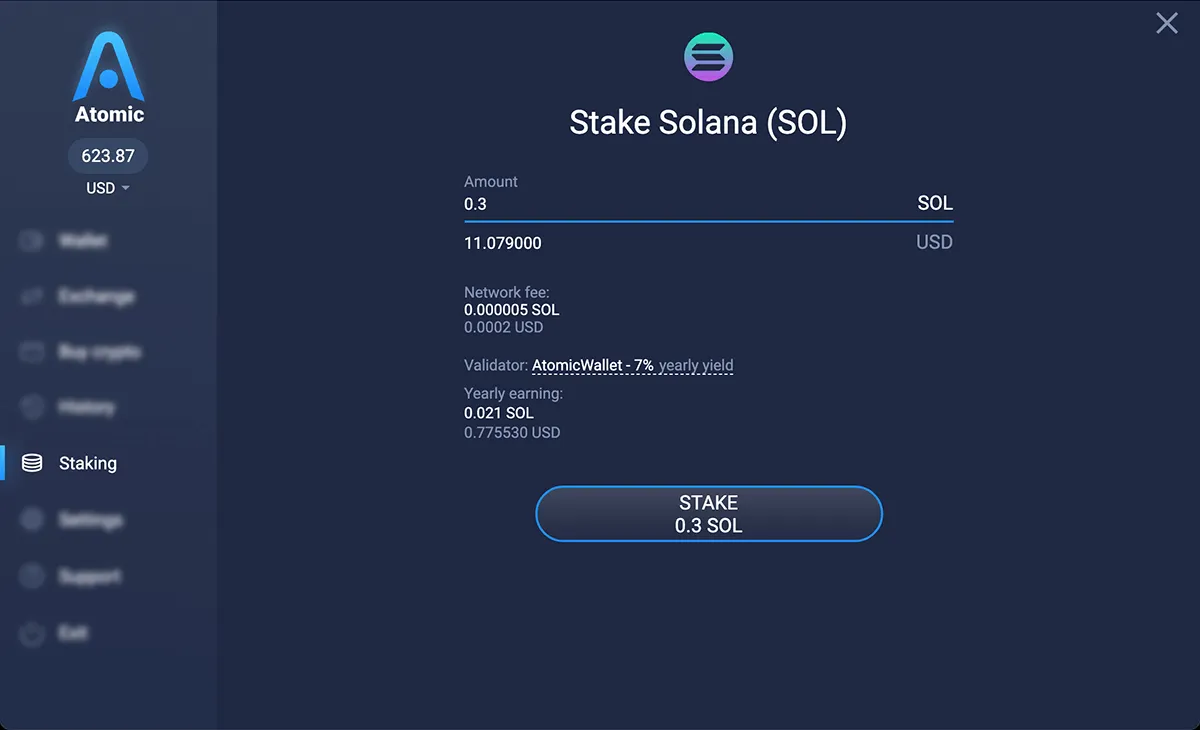
Staking rewards on Solana are generated through two primary mechanisms: inflation and transaction fees. Solana’s protocol distributes newly minted SOL (inflation) to stakers as a reward for their contribution to network security. Additionally, validators collect fees from the transactions they process, and a portion of those fees is distributed to delegators – those who have staked SOL with them.
APY is the number most people care about. It shows what you'll earn over a year if you reinvest your rewards. Just keep in mind that this rate isn't set in stone; it moves based on how the network is performing.
Several factors influence the APY you receive. Network congestion – higher transaction volume typically means higher fees for validators and thus higher rewards for stakers. The commission rate charged by your chosen validator directly impacts your net earnings. Finally, the total amount of SOL staked across the network affects reward distribution; a larger staked amount generally leads to lower individual APYs. These variables mean you have to regularly assess potential returns.
These calculations are just guesses. If a validator goes offline or the protocol changes its inflation schedule, your actual take-home pay will drop. A massive APY doesn't mean much if the validator has 20% downtime.
The Solana Staking Rewards Calculator
A Solana Staking Rewards Calculator is a tool designed to help you estimate your potential staking earnings. These calculators typically require a few key inputs to generate a projection. The most important input is the amount of SOL you plan to stake. You’ll also need to input the validator’s current APY, or a range if you’re comparing options.
The calculator will also ask for your intended staking duration. Rewards are typically distributed continuously, but longer staking periods may offer slightly higher overall returns due to compounding. The calculator then outputs an estimated reward amount, usually displayed in SOL, and a projected APY range based on the provided inputs.
It’s vital to remember that the output of a Solana Staking Rewards Calculator is simply an estimate. It’s based on current network conditions and validator performance, both of which are subject to change. Use the calculator as a helpful guide, but don’t treat the results as a guarantee of future earnings. Always do your own research and consider the risks involved.
Validators to watch in 2026
Choosing a validator is a critical step in the staking process. There’s no single “best” validator, as the ideal choice depends on your individual priorities. Here's a look at some prominent validators as of late 2023/early 2024, which are likely to remain competitive in 2026, along with their key characteristics. Keep in mind that validator performance can change.
Marinade Finance is a liquid staking provider offering mSOL, a tokenized representation of your staked SOL. This allows you to earn staking rewards while maintaining liquidity. They generally have high uptime and a strong reputation, but their commission rate is slightly higher than some others. You can find more information on their explorer:
Jito is another popular liquid staking provider, known for its focus on maximizing staking rewards through MEV (Miner Extractable Value) extraction. They offer jSOL, similar to mSOL. Their commission rate is competitive, and they've demonstrated a commitment to network stability. Explore their services at:
Blockdaemon is a well-established institutional-grade validator provider. They offer a highly reliable and secure staking service, with a focus on compliance and risk management. Their commission rates are moderate, and they cater to both individual and institutional investors. Learn more at:
Figment is a prominent staking provider known for its robust infrastructure and community involvement. They offer competitive APYs and a user-friendly staking experience. They're a solid choice for both beginners and experienced stakers. You can find details at:
Believer is a validator focused on supporting the Solana ecosystem and contributing to its long-term growth. They offer competitive rates and prioritize network security and stability. Their explorer is available at:
When choosing a validator, consider factors like uptime (percentage of time the validator is online and actively validating transactions), commission rates (the percentage of rewards the validator takes as a fee), voting power (the validator’s influence in network governance), and reputation (reviews and feedback from other stakers). Diversifying your stake across multiple validators can also mitigate risk.
Essential Hardware for Secure Solana Staking in 2026

Securely manage your cryptocurrency and NFTs · Accessible hardware wallet for desktop and Android · Matte Black finish
Securely store your SOL and manage your staking operations with this top-tier hardware wallet, ensuring the safety of your digital assets as you maximize your staking rewards.
Securely manage your cryptocurrency and NFTs · Accessible hardware wallet for desktop and Android · Matte Black finish
Securely store your SOL and manage your staking operations with this top-tier hardware wallet, ensuring the safety of your digital assets as you maximize your staking rewards.

Advanced hardware wallet with touchscreen interface · Steel cold seed storage for ultimate security · Bundle includes Trezor Model T and Billfodl
Securely store your SOL and manage your staking operations with this top-tier hardware wallet, ensuring the safety of your digital assets as you maximize your staking rewards.

The native cryptocurrency of the Solana blockchain · Used for network fees and staking · Essential for participating in the Solana ecosystem
Securely store your SOL and manage your staking operations with these top-tier hardware wallets, ensuring the safety of your digital assets as you maximize your staking rewards.
As an Amazon Associate I earn from qualifying purchases. Prices may vary.
Validator Fees: What You're Paying For
Validators charge commission fees to cover the costs of running and maintaining their infrastructure. These costs include server hardware, bandwidth, security measures, and personnel. The commission rate is the percentage of your staking rewards that the validator keeps as a fee. Rates typically range from 5% to 15%, but can vary.
These fees directly impact your net staking rewards. A higher commission rate means you'll receive a smaller share of the total rewards generated. However, a lower commission rate doesn’t always guarantee a better return. A less reliable validator with frequent downtime could result in lower overall earnings, even with a lower fee.
The services validators provide justify their fees. They invest in robust infrastructure to ensure high uptime and reliable performance. They implement security measures to protect your staked SOL from attacks. They actively participate in network governance, helping to shape the future of Solana. Essentially, they are providing a valuable service that allows you to participate in staking without the technical complexity of running your own validator node.
Risks of Solana Staking
While Solana staking offers attractive rewards, it's crucial to be aware of the associated risks. Slashing is a significant concern. If a validator acts maliciously or experiences a prolonged period of downtime, a portion of the staked SOL can be slashed – meaning tokens are removed from the validator and delegators may lose a portion of their stake. This is a penalty designed to incentivize good behavior.
Validator downtime is another risk. If a validator goes offline, it stops validating transactions and earning rewards. During this period, you won’t receive staking rewards. Prolonged or frequent downtime can also lead to slashing. Smart contract risks are also present, although Solana’s core protocol is relatively secure, vulnerabilities in third-party staking applications could potentially expose your funds.
You can mitigate these risks by choosing reputable validators with a proven track record of uptime and security. Diversifying your stake across multiple validators reduces your exposure to any single validator’s potential issues. Regularly monitor your validator’s performance and be prepared to switch validators if necessary. Thoroughly research any staking platform or application before entrusting it with your SOL.
Staking Rewards & Taxes
Staking rewards are generally considered taxable income. The specific tax implications vary depending on your jurisdiction. In many countries, staking rewards are treated as ordinary income and are subject to income tax. You may also be required to report these rewards on your tax return.
I'm not a tax pro, and laws change depending on where you live. Most places treat these rewards as income the moment you receive them, but you should check with an accountant to be sure.
No comments yet. Be the first to share your thoughts!