
Solana yields in 2026
Solana has moved past its experimental phase. While the total value locked fluctuates, the ecosystem now supports complex financial tools that rival Ethereum's older protocols. High yields are still common, but they usually signal higher risk or new token launches rather than 'free' money.
Predicting yields in 2026 is, admittedly, a tricky business. The crypto market is notoriously unpredictable. These projections are based on current trends – the continued adoption of Solana, the evolution of existing protocols, and the emergence of new ones. They assume continued, though not necessarily exponential, growth in the Solana ecosystem. It’s important to remember that these are estimates, and actual returns could be significantly higher or lower.
Several factors influence yield in Solana DeFi. TVL is a big one – more liquidity generally leads to lower yields, though it also indicates a healthier protocol. Risk is another key component. Protocols offering higher yields often come with greater risk of impermanent loss, smart contract exploits, or even rug pulls. Tokenomics also play a role; protocols with well-designed token distribution models tend to be more sustainable in the long run.
Right now, yields sit between 5% and 50%. By 2026, these will likely tighten as more institutional capital enters the pools. I expect the double-digit returns to shift away from simple swaps toward more complex automated vault strategies.
The top 10 yield platforms
Here's a rundown of the top 10 Solana DeFi platforms poised to offer the highest yields in 2026, based on current trajectories and projected growth. Keep in mind that these are estimates and subject to change. APYs provided are projections, not guarantees. I’ll also highlight the risks associated with each platform.
1. Raydium (Automated Market Maker & Yield Farming): Raydium remains a cornerstone of the Solana DeFi ecosystem. It’s an automated market maker (AMM) with integrated yield farming capabilities. Currently, APYs range from 10-30% depending on the pool. By 2026, I project APYs of 15-40%, driven by continued adoption and the launch of new features. Risk: Impermanent loss, smart contract risk.
2. Orca (Decentralized Exchange): Orca is known for its user-friendly interface and efficient trading. It's a popular choice for both beginners and experienced DeFi users. Today, APYs hover around 8-25%. I anticipate 12-35% APYs in 2026. Risk: Impermanent loss, potential for slippage.
3. Marinade Finance (Liquid Staking): Marinade Finance allows you to stake SOL and receive mSOL in return, a liquid staking derivative. This unlocks the value of your staked SOL, allowing you to use it in other DeFi applications. Current yields are around 7-15%. I project 10-20% APYs by 2026. Risk: Smart contract risk, potential depegging of mSOL.
4. Tulip Protocol (Yield Aggregator & Lending): Tulip Protocol aggregates yields from various Solana DeFi protocols, optimizing returns for users. It also offers lending and borrowing services. Current APYs vary widely, from 15-45%. I expect 20-50% APYs in 2026. Risk: Smart contract risk, liquidation risk.
5. Saber (Stablecoin Exchange): Saber specializes in stablecoin swaps and liquidity provision. It’s a key player in the Solana DeFi ecosystem, providing a stable platform for trading. Current APYs are relatively low, around 5-10%. I predict 8-15% APYs in 2026. Risk: Low yields, impermanent loss.
6. Solend (Lending & Borrowing): Solend is a lending and borrowing protocol where users can earn interest on their deposits or borrow assets against their collateral. Current APYs range from 6-20%. I project 10-30% APYs in 2026. Risk: Liquidation risk, smart contract risk.
7. Francium (Leveraged Yield Farming): Francium allows users to leverage their positions to amplify their yields. This can be highly profitable, but also carries significant risk. Current APYs are very high, often exceeding 50%. I cautiously estimate 30-70% APYs in 2026, but with a very high risk profile. Risk: Liquidation risk, smart contract risk, high volatility.
8. Quarry Protocol (Mining & Staking): Quarry Protocol is a newer project focused on providing mining and staking rewards. It’s still early days, but the potential is there. Current APYs are around 12-28%. I project 18-40% APYs in 2026, but this is a more speculative estimate. Risk: Relatively new protocol, smart contract risk.
9. Drift Protocol (Perpetual Swaps): Drift Protocol focuses on perpetual swaps, allowing users to trade with leverage on a variety of assets. Current APYs are variable, depending on trading volume and market conditions. I project 15-45% APYs in 2026. Risk: Liquidation risk, smart contract risk, high volatility.
10. Kamino Finance (Automated Liquidity Management): Kamino Finance automates liquidity management, optimizing returns for liquidity providers. It’s a promising newcomer with a strong team. Current APYs are around 10-30%. I project 15-40% APYs in 2026. Risk: Smart contract risk, impermanent loss.
Top 10 Solana DeFi Platforms: Projected Yields in 2026
| Platform Name | Description | Current APY Range (%) | Projected 2026 APY (%) | Risk Level | Key Features |
|---|---|---|---|---|---|
| Raydium | An automated market maker (AMM) and yield farming platform, offering a wide range of trading pairs. | 3-15% | 8-20% | Medium | AMM, Yield Farming, Launchpad 🚀 |
| Orca | A user-friendly decentralized exchange (DEX) focused on providing efficient liquidity pools with a simple interface. | 4-12% | 7-18% | Low/Medium | DEX, Liquidity Pools, Easy-to-Use 🐳 |
| Marinade Finance | A liquid staking protocol allowing users to stake SOL and receive mSOL in return, enabling liquidity while staking. | 6-10% | 9-16% | Medium | Liquid Staking, SOL Staking, mSOL 💧 |
| Tulip Protocol | A yield aggregator designed to optimize yield farming strategies across multiple Solana DeFi protocols. | 8-25% | 12-28% | High | Yield Aggregation, Lending, Leverage 📈 |
| Saber | A leading stablecoin exchange and liquidity provider on Solana, specializing in efficient stablecoin swaps. | 2-8% | 5-12% | Low | Stablecoin Swaps, Liquidity Provision, Low Slippage 💰 |
| Solend | A lending and borrowing protocol enabling users to earn interest on deposits and borrow assets against collateral. | 5-18% | 10-25% | Medium/High | Lending, Borrowing, Collateralization 🔒 |
| Francium | A platform offering leveraged yield farming opportunities, allowing users to amplify their farming rewards. | 10-30% | 15-35% | High | Leveraged Farming, Yield Boosting, High Risk ⚠️ |
| Quarry Protocol | A platform focused on providing mining and staking rewards, offering various opportunities to earn passive income. | 4-14% | 7-20% | Medium | Staking, Mining Rewards, Passive Income ⛏️ |
| Drift Protocol | A decentralized exchange for perpetual swaps, allowing users to trade with leverage and earn yield. | 8-20% | 12-28% | High | Perpetual Swaps, Leverage, Yield Farming 🌊 |
| Kamino Finance | An automated liquidity management protocol aiming to optimize returns for liquidity providers. | 6-16% | 9-22% | Medium | Automated Liquidity, Yield Optimization, LP Management ✨ |
Illustrative comparison based on the article research brief. Verify current pricing, limits, and product details in the official docs before relying on it.
Managing impermanent loss
Impermanent Loss (IL) is a key risk to understand when participating in yield farming on Solana AMMs like Raydium and Orca. It occurs when the price of your deposited tokens diverges from the price when you initially deposited them. Essentially, you might have been better off just holding the tokens instead of providing liquidity. The greater the price divergence, the greater the IL.
Let's say you deposit equal values of SOL and USDC into a liquidity pool. If the price of SOL increases significantly, the pool will rebalance by selling SOL and buying USDC. This means you’ve effectively sold some of your SOL at a lower price than you could have gotten on the open market. The loss is "impermanent" because it only becomes realized if you withdraw your liquidity. If the price of SOL returns to its original level, your IL disappears.
Smart routing protocols aim to mitigate IL and optimize yields. Protocols like Raydium’s AcceleRay and Orca’s Whirlpools use sophisticated algorithms to route trades through multiple liquidity pools, finding the best possible price and minimizing slippage. They also often offer incentives to liquidity providers to encourage them to deposit their tokens. These tools don’t eliminate IL entirely, but they can significantly reduce its impact.
For example, instead of a simple SOL/USDC pool, Whirlpools create concentrated liquidity pools, allowing liquidity providers to specify a price range. This concentrates liquidity around the current market price, reducing slippage and increasing capital efficiency. This, in turn, can lead to higher fees and reduced IL for liquidity providers.
Leverage & Lending on Solana
Leveraged yield farming on Solana, primarily through platforms like Francium, allows you to borrow assets to increase your position size and amplify your potential returns. This can be incredibly lucrative, but it also significantly increases your risk exposure. The idea is simple: you borrow funds, add them to your liquidity position, and earn a larger share of the rewards.
However, leverage is a double-edged sword. If the market moves against you, your position can be quickly liquidated. Liquidation occurs when the value of your collateral falls below a certain threshold, forcing the protocol to sell your assets to cover the loan. The collateralization ratio is the ratio of your collateral value to your borrowed amount. A higher ratio provides a greater buffer against liquidation.
Lending and borrowing protocols like Solend allow users to earn interest on their deposits and borrow assets against their collateral. This creates a decentralized money market where supply and demand determine interest rates. The risks are similar to leveraged yield farming: liquidation risk for borrowers and smart contract risk for both lenders and borrowers.
Flash loans are another interesting development in the Solana DeFi space. These are uncollateralized loans that must be repaid within the same transaction block. They’re typically used for arbitrage opportunities or other complex trading strategies. While flash loans themselves don’t pose a direct risk to lenders, they can be exploited by malicious actors to manipulate markets.
Liquid staking derivatives
Liquid Staking Derivatives (LSDs) have gained significant traction on Solana, with Marinade Finance leading the charge. LSDs allow you to stake your SOL and receive a tokenized representation of your staked SOL (like mSOL) in return. This unlocks the liquidity of your staked SOL, allowing you to use it in other DeFi applications without sacrificing staking rewards.
The benefits of LSDs are clear: you earn staking rewards and retain the ability to participate in other DeFi activities. This is a significant improvement over traditional staking, where your SOL is locked up for a period of time. However, LSDs also come with risks. The primary risk is depegging – the risk that the value of the LSD token diverges from the value of the underlying staked SOL.
Depegging can occur due to a variety of factors, including smart contract exploits, market manipulation, or a loss of confidence in the protocol. While Marinade Finance has maintained a relatively stable peg to SOL, it’s important to be aware of this risk. The market for LSDs is growing rapidly, with new protocols emerging all the time. This increased competition could lead to innovation, but it also increases the risk of fragmentation and instability.
Looking ahead, I expect to see more sophisticated LSD protocols emerge, offering features like enhanced security and cross-chain compatibility. The integration of LSDs with other DeFi applications will also likely increase, further unlocking the potential of staked SOL.
Projected TVL Growth of Top Solana DeFi Platforms (2025-2026)
Data: AI-generated estimate for illustration
Real world assets
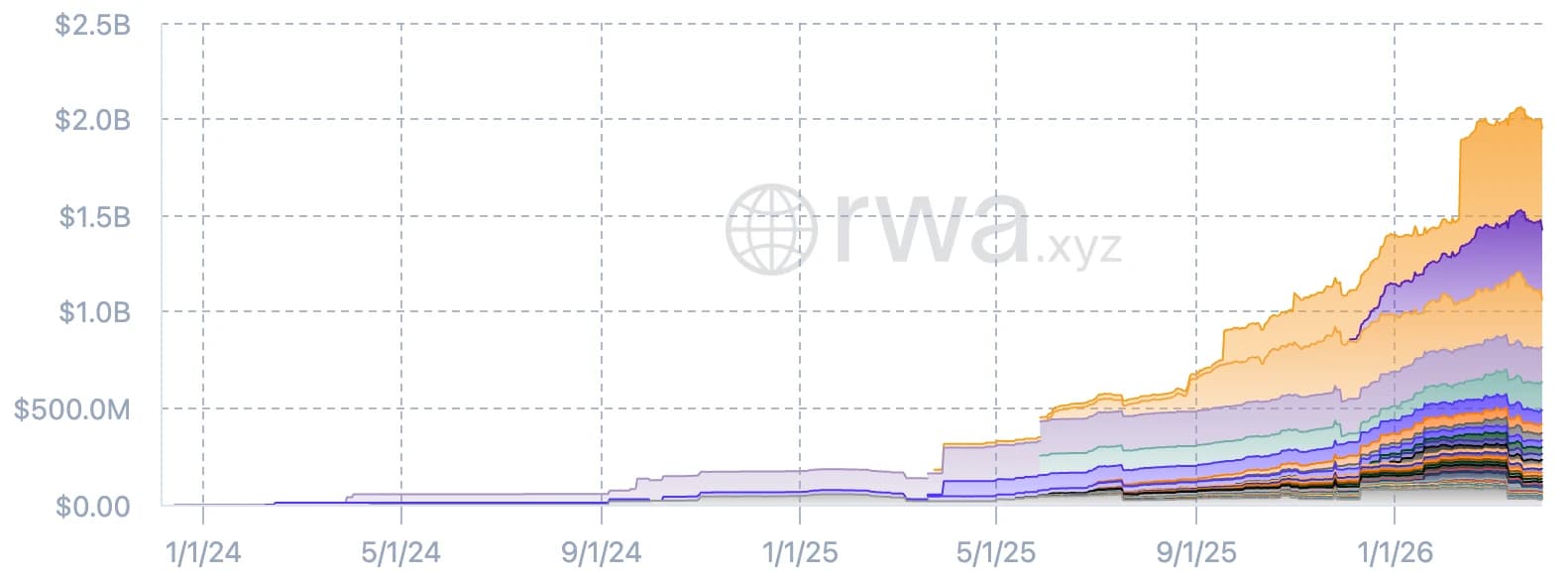
The integration of Real World Assets (RWAs) into Solana DeFi is an exciting, but still nascent, trend. The idea is to tokenize real-world assets – such as real estate, commodities, and debt – and bring them onto the blockchain. This could unlock a vast amount of liquidity and create new investment opportunities.
Several protocols are already experimenting with RWAs on Solana. For example, some projects are tokenizing real estate, allowing investors to purchase fractional ownership shares. Others are tokenizing commodities like gold or oil. The potential benefits are significant: increased liquidity, reduced transaction costs, and greater transparency.
However, there are also significant challenges. Regulatory hurdles are a major obstacle. Existing regulations are often not well-suited to tokenized assets, and new regulations are needed to provide clarity and certainty. Custody risks are another concern. Ensuring the safe custody of the underlying assets is crucial.
By 2026, I expect to see more progress in the RWA space, but it’s unlikely to be a mainstream phenomenon. Regulatory challenges and custody risks will continue to be significant obstacles. However, the potential rewards are so great that it’s a trend worth watching closely. I’m cautiously optimistic about the long-term prospects of RWAs on Solana.
Featured Products

Explains yield farming basics · Covers potential earnings · Sets realistic expectations
This book is a fantastic starting point for understanding the fundamentals of yield farming, crucial for maximizing returns on Solana.

Large 1-gallon size · Designed for aquarium use · Brand: ORCA
While not directly a DeFi platform, maintaining a healthy aquarium environment can be a relaxing hobby, and this product is a popular choice for aquarium owners.

Authentic Mojo Criollo flavor · 1-gallon size · Ideal for marinades and cooking
This marinade offers a delicious way to enhance your cooking, providing a flavorful experience outside of the digital realm.

Solana-based yield aggregator · Automates yield farming strategies · Focuses on maximizing returns
Tulip Protocol is a key player in the Solana DeFi space, offering automated strategies to help users earn higher yields on their assets.

Defines stablecoins · Explains practical applications · Beginner-friendly
Understanding stablecoins is fundamental to many DeFi strategies, and this guide provides a clear, accessible introduction for newcomers.
As an Amazon Associate I earn from qualifying purchases. Prices may vary.
No comments yet. Be the first to share your thoughts!