
How we picked the best Solana wallets
Finding the right place to store SOL and SPL tokens requires looking past marketing claims. We evaluated wallets based on three non-negotiable criteria: security architecture, native Solana compatibility, and user experience. Our goal is to help you choose a tool that keeps your assets safe without sacrificing the ability to use them.
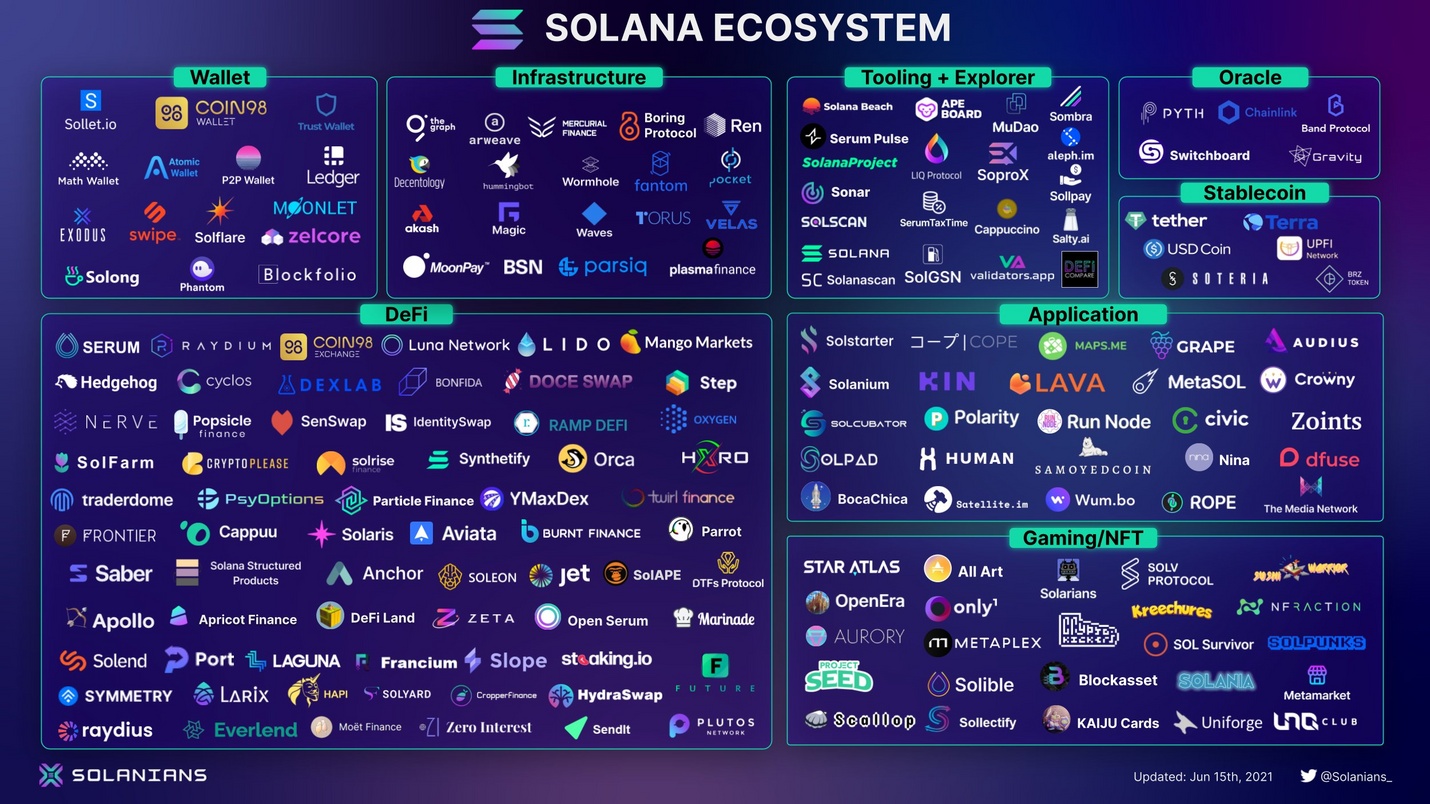
Security is the foundation. We prioritized wallets that offer clear self-custody options, meaning you hold your own private keys. We also looked for transparent security audits and open-source code where available. If a wallet’s security model is opaque, it does not make the list. You can review the official list of verified wallets on solana.com to see which projects have passed basic compatibility checks.
Compatibility ensures your wallet works seamlessly with the Solana ecosystem. This means supporting token swaps, staking, and NFT interactions without constant workarounds. We tested top contenders like Phantom, Solflare, and Backpack to verify they handle high-throughput transactions efficiently. A wallet that lags during network congestion is not useful for active traders.
User experience bridges the gap between security and utility. A secure wallet that is too complex to use will lead to mistakes. We favored interfaces that are intuitive for beginners but offer advanced features for power users, such as multisig support or hardware wallet integration. The best Solana wallet balances ease of use with robust security controls.
Phantom: Best Overall Solana Wallet
Phantom has become the default entry point for most people moving into the Solana ecosystem. With over 15 million users, it strikes a balance that other wallets often miss: it is simple enough for beginners but powerful enough for power users. You get smooth access to tokens, NFTs, and decentralized applications without feeling like you are navigating a complex dashboard.
The interface is clean and intuitive. Swapping tokens feels instant, and browsing NFTs is straightforward. This ease of use is why it remains the top recommendation for everyday Solana transactions. It handles the heavy lifting of dApp connections in the background, letting you focus on what you are doing rather than how the wallet works.
Security is built into this experience. Phantom uses standard self-custody protocols, meaning you hold your own keys. For larger holdings, it integrates well with hardware wallets like Ledger, allowing you to sign transactions securely while still using Phantom’s convenient interface. This combination of convenience and serious security makes it the best all-around choice for 2026.


As an Amazon Associate, we may earn from qualifying purchases.
Solflare: Best for advanced features
Solflare is the wallet of choice for power users who need more than just basic token storage. While Phantom often wins for simplicity, Solflare offers a deeper suite of tools designed for active management of your Solana portfolio. It strikes a balance between a polished interface and the granular control that serious holders demand.
The standout feature is its native staking infrastructure. Solflare allows you to delegate your SOL directly to validators without leaving the app, supporting both liquid staking derivatives and traditional staking. This means you can earn yield on your holdings while maintaining full self-custody of your keys. The interface clearly displays validator performance and commission rates, helping you make informed decisions about where your stake goes.
Beyond staking, Solflare provides robust portfolio tracking and multi-chain support. It integrates seamlessly with major Solana dApps, from NFT marketplaces to decentralized exchanges, offering a smoother experience for frequent DeFi users. The wallet also supports cross-chain assets, allowing you to manage tokens from other networks alongside your Solana assets in one unified view.
If you are comparing top options, Solflare and Phantom are the two dominant players. Here is how they stack up on key metrics for advanced users.
| Metric | Solflare | Phantom |
|---|---|---|
| Staking Tools | Native, detailed validator info | Basic delegation |
| Multi-Chain | Yes (EVM, Bitcoin, etc.) | Limited |
| NFT Management | Advanced filtering | Standard gallery |
| Security Focus | Self-custody emphasis | Self-custody emphasis |
Ledger Nano X: Best cold storage option
When you are ready to move Solana off exchanges and into true self-custody, a hardware wallet is the gold standard. The Ledger Nano X is the most reliable option for long-term holders who want to keep their private keys offline and away from internet-based threats. It is a physical device, which makes it the most secure way to store your assets because the keys never touch your computer or phone directly.
Unlike software wallets that live on your phone or browser, the Nano X uses a secure element chip to sign transactions. You physically press buttons on the device to confirm every transfer. This means that even if your computer has malware, your Solana tokens remain safe. It supports Solana natively through the Ledger Live app, making it easy to manage your portfolio without exposing your seed phrase.
The device connects via Bluetooth, so you can manage your crypto on the go with your phone. This convenience does not compromise security; the transaction data is still encrypted and verified on the device itself. For anyone holding a significant amount of SOL, the peace of mind is worth the investment.

As an Amazon Associate, we may earn from qualifying purchases.
Jupiter Wallet: Best for traders
If your primary goal is swapping tokens on Solana, Jupiter Wallet is the natural home base. It is the self-custodial wallet built directly by the Jupiter Exchange, the leading decentralized exchange on the network. This isn't just a generic storage app with a swap button slapped on; it is a purpose-built interface designed to handle high-frequency trading with minimal friction.
The biggest advantage here is the seamless integration with Jupiter’s aggregation engine. When you swap, you are getting the best possible price across all available liquidity pools without having to manually check multiple DEXs. The wallet handles the routing logic in the background, ensuring you get optimal execution every time. For active traders, this saves significant time and reduces the risk of slippage during volatile market movements.
Security is another strong point, particularly regarding MEV (Maximal Extractable Value) protection. MEV bots often try to front-run or sandwich-trade user swaps to steal value. Jupiter Wallet includes built-in protections that help shield your trades from these predatory practices. You retain full control of your private keys, meaning you are self-custodial, but you get the institutional-grade security features usually reserved for larger platforms.
This combination of optimized swaps and MEV protection makes it the top choice for anyone who trades Solana assets regularly. While it may lack some of the broader portfolio management features of larger multi-chain wallets, its specialization in trading efficiency is unmatched on the network.
Where should I hold my Solana?
The best place to hold your Solana depends entirely on how you plan to use it. Think of your storage strategy like a wallet in your pocket versus a safe in your house. You keep daily spending money in your pocket for quick access, but you lock away your savings for long-term security.
Hot Wallets for Daily Use
Hot wallets are software-based and connected to the internet, making them ideal for frequent transactions. If you plan to swap tokens on Jupiter, stake SOL, or interact with decentralized apps daily, a hot wallet is the right choice. They offer convenience and speed but carry higher security risks because they are always online. Popular options include Phantom and Solflare, which balance user-friendly interfaces with solid security features for active traders.
Cold Wallets for Savings
Cold wallets are hardware devices that store your private keys offline. They are designed for long-term holding, often referred to as "HODLing." Since they are never connected to the internet, they are immune to remote hacking attempts. If you are storing significant amounts of SOL for months or years, a hardware wallet like Ledger or Trezor provides the maximum protection. You only connect them when you need to move funds, keeping the rest of your assets safe in cold storage.
No comments yet. Be the first to share your thoughts!