
A new approach to Solana NFTs
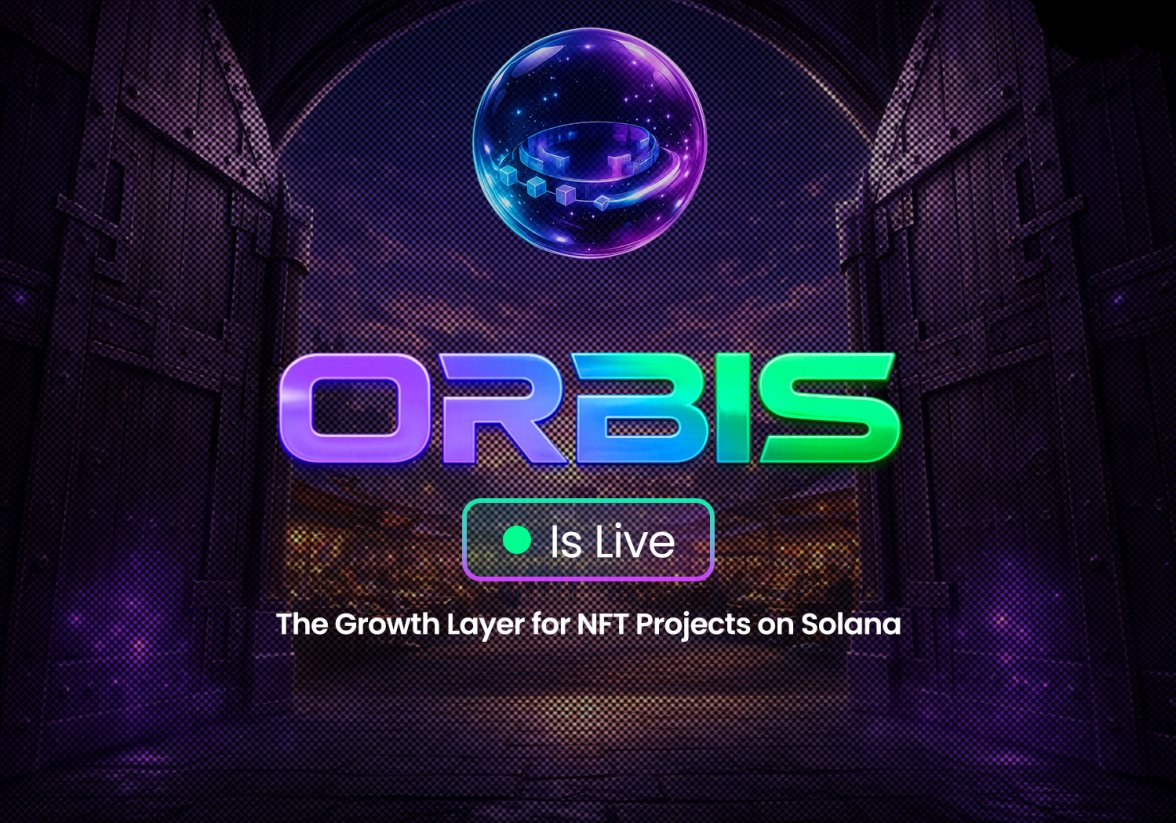
Orbis, a new NFT marketplace built on Solana, recently entered closed beta. It’s aiming to tackle a problem a lot of people in the NFT space experience: discoverability. With so many projects launching daily, finding worthwhile NFTs can feel like searching for a needle in a haystack. Existing marketplaces like Magic Eden and Tensor do a lot right, but often rely on algorithms and paid promotion to surface collections. Orbis is trying something different.
The core idea behind Orbis is community curation. Instead of algorithms deciding what you see, the Solana community itself gets a direct say in which NFTs are listed and highlighted. This isn't just about listing more NFTs, it’s about focusing on quality and projects the community genuinely believes in. It’s an interesting approach, and one that could really shake up how people find new projects on Solana.
I think this focus on community is a smart move. The Solana ecosystem is built on strong community engagement, and Orbis is leaning into that. It’s still very early days, and a closed beta means there are likely kinks to work out, but the premise is exciting. It’s a genuinely novel approach to NFT discovery that I'm eager to see develop.
How community curation works
The heart of Orbis is its community voting system. Anyone can submit an NFT collection for consideration to be listed on the marketplace. Once submitted, the Solana community—specifically Orbis users—can vote on whether or not that collection should be included. It’s a pretty straightforward concept, but the details are what make it promising.
The voting is transparent. You stake tokens to participate, and your vote weight depends on your stake. This prevents single actors from gaming the system. While the team hasn't named the specific token yet, the staking mechanic is the main defense against manipulation.
What’s the incentive to vote? Voters earn rewards for participating in the curation process. These rewards can come in the form of the Orbis token, or potentially other benefits within the ecosystem. The exact reward structure is still being refined during the beta period. The system also incorporates a reputation system, meaning consistent, accurate voting can increase your influence within the platform. This is a clear attempt to incentivize thoughtful participation.
This differs significantly from traditional listing models. On most marketplaces, listing is either free (leading to a flood of low-quality projects) or requires a fee (creating a barrier to entry for smaller creators). Orbis attempts to find a middle ground, leveraging the collective intelligence of the community to filter out the noise.
GotmLabz: The Team Behind Orbis
GotmLabz is building Orbis. They have been around the Solana ecosystem for a while, mostly focusing on developer tools and infrastructure. They are known for prioritizing how developers interact with the chain.
While Orbis is their most high-profile project to date, GotmLabz has a history of contributing to the Solana ecosystem. They've previously worked on tools designed to improve the efficiency of Solana development, and they’ve demonstrated a clear understanding of the challenges and opportunities within the blockchain.
Establishing the team’s credibility is important because trust is paramount in the NFT world. Knowing that Orbis is backed by a team with a proven track record and a genuine commitment to Solana gives me some confidence in its long-term viability.
Search and analytics
The community-driven listing process is the headline feature, but Orbis offers more than just curation. The user interface is designed to be clean and intuitive, making it easy to browse and discover NFTs. Initial reports from beta testers suggest a smooth and responsive experience.
Orbis includes robust search functionality, allowing users to search for NFTs by name, collection, or even specific traits. Filtering options are also available, enabling users to narrow down their search based on price, rarity, and other criteria. This detailed filtering is a big improvement over some marketplaces where finding specific NFTs can be a chore.
One feature that’s generating buzz is the platform’s analytics tools. Orbis provides data on sales volume, floor price, and other key metrics, giving collectors and creators valuable insights into the performance of different collections. This kind of data-driven approach to NFT discovery is something I appreciate.
Currently, the platform supports Solana NFTs, with no immediate plans to expand to other blockchains. This focused approach allows them to really refine the user experience for Solana users and build a strong community within that ecosystem.
- Clean and intuitive user interface
- Robust search functionality
- Detailed filtering options
- NFT analytics tools
Orbis: Core Features
- Community Voting - New NFT collections on Orbis aren't just listed; they're vetted by the community, giving projects a fair chance and collectors confidence.
- Advanced Search Filters - Find exactly what you're looking for with detailed filtering options, going beyond simple collection names.
- Portfolio Tracking - Keep a close eye on the value of your Solana NFT collection directly within the Orbis platform.
- Real-time Analytics - Gain insights into NFT sales, floor prices, and trading volume to make informed decisions.
- Integrated Wallet Support - Orbis seamlessly connects with popular Solana wallets for a smooth trading experience.
- Curated Discovery - Orbis aims to surface promising projects, helping collectors discover new and exciting NFT collections.
- Transparent Listing Process - The community-driven approach aims to reduce the prevalence of low-quality or fraudulent NFT listings.
Orbis and the Solana Ecosystem
Orbis isn’t trying to replace existing Solana NFT marketplaces like Magic Eden and Tensor. Instead, it aims to complement them. Magic Eden and Tensor are known for their speed and liquidity, while Orbis prioritizes curation and community involvement. There’s room for both approaches to thrive.
For NFT creators, Orbis offers a new avenue for getting their projects discovered. Being listed on Orbis signifies that a collection has been vetted by the community, which can add a level of credibility and trust. For collectors, Orbis provides a curated selection of NFTs, saving them time and effort in their search for promising projects.
The success of Orbis will depend on its ability to attract and retain a strong community of voters and curators. If the voting process is perceived as fair and the rewards are adequate, it could become a valuable asset to the Solana NFT ecosystem. It's also important that the platform continues to innovate and add new features to stay ahead of the competition.
Helius & Orb: Exploring the Data
Orbis is closely integrated with Helius, a leading Solana infrastructure provider. Helius provides the data indexing and API access that powers many Solana applications, and Orbis is no exception. The Orb block explorer, also built by Helius, is a powerful tool for analyzing Solana data.
Essentially, Helius handles the complex task of tracking and indexing all the transactions and data on the Solana blockchain, and Orbis leverages that data to provide users with valuable insights. This partnership allows Orbis to offer real-time data on NFT sales, floor prices, and other key metrics.
For those who aren’t developers, understanding the technical details isn’t crucial. Just know that Helius provides the underlying infrastructure that makes Orbis’s data-driven features possible. It's a powerful combination that gives Orbis a competitive edge.
Beta feedback and roadmap
The current closed beta is focused on gathering feedback from early adopters and refining the platform’s features. The GotmLabz team is actively soliciting feedback on everything from the user interface to the voting process. They're using this feedback to iterate and improve the platform before its full public launch.
Public statements from the team indicate that they’re prioritizing scalability and security. They want to ensure that the platform can handle a large volume of transactions and that user data is protected. They're also exploring new ways to incentivize community participation and reward voters.
While a firm launch date hasn’t been announced, the team seems committed to a phased rollout. Expect to see more features added and the beta program expanded over the coming weeks and months. It’s a cautious approach, but one that’s likely to lead to a more stable and polished product.
We now have a complete @metaplex agent explorer on our clawd terminal site.
— 8Bit🦞 (@0rdlibrary) April 14, 2026
Users and holders may now, mint, register, generate the art, and run their very agent all in the same terminal interface.
Now token gated to $clawd holders on @solana
Later well unleash sandbox agent… pic.twitter.com/ZqS6mPEYyi
No comments yet. Be the first to share your thoughts!