
Solana wallets in 2026
Solana is no longer just an Ethereum alternative; it is the primary home for high-frequency DeFi and compressed NFTs. Choosing a wallet in 2026 comes down to how you use the network. If you are swapping on Jupiter daily, you need different features than someone cold-storing a Mad Lad NFT for three years.
In the last year, we’ve seen a clear trend towards self-custody solutions. Users are increasingly aware of the risks associated with centralized exchanges and are taking control of their private keys. This has led to a surge in popularity for non-custodial wallets, but also a greater need for education around seed phrase management and security best practices. It's no longer sufficient to just have a wallet; you need to understand how to use it safely.
Looking ahead to 2026, I expect the Solana wallet landscape to become more competitive. We’ll likely see wallets offering even more advanced features, such as built-in staking, cross-chain compatibility, and improved DeFi integration. The focus will be on simplifying the user experience while maintaining a high level of security. The wallets that succeed will be those that can balance these two priorities effectively.
The increasing complexity of DeFi protocols means wallets need to do more than just send and receive SOL. They need to support complex transactions, provide clear gas fee estimations, and offer protection against slippage. For NFT enthusiasts, wallets need to provide a visually appealing and easy-to-use interface for managing their collections. The best Solana wallets will cater to both these groups, and to the users who participate in both.
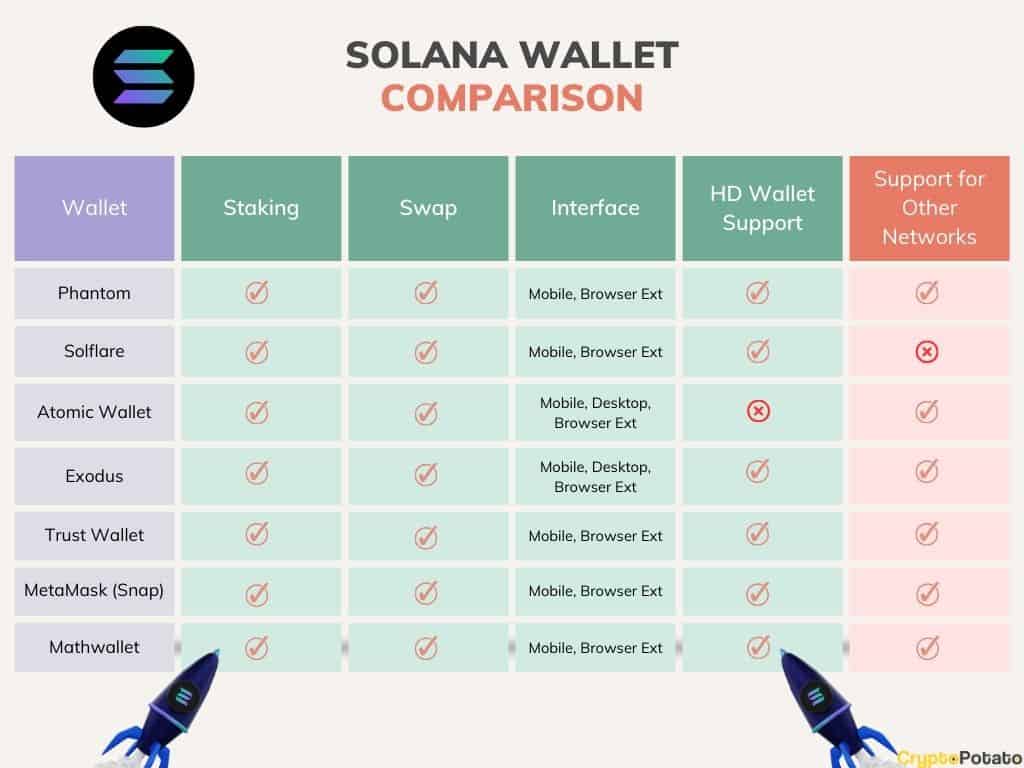
The top seven wallets compared
These seven wallets represent the current standard for security and dApp interaction on Solana.
Phantom remains a popular choice for its sleek interface and comprehensive feature set. It supports both SOL and SPL tokens, and offers built-in swap functionality powered by aggregators like Jupiter. Security is a priority, with Phantom requiring a password and offering optional biometric authentication. However, as a hot wallet, it’s still vulnerable to online attacks.
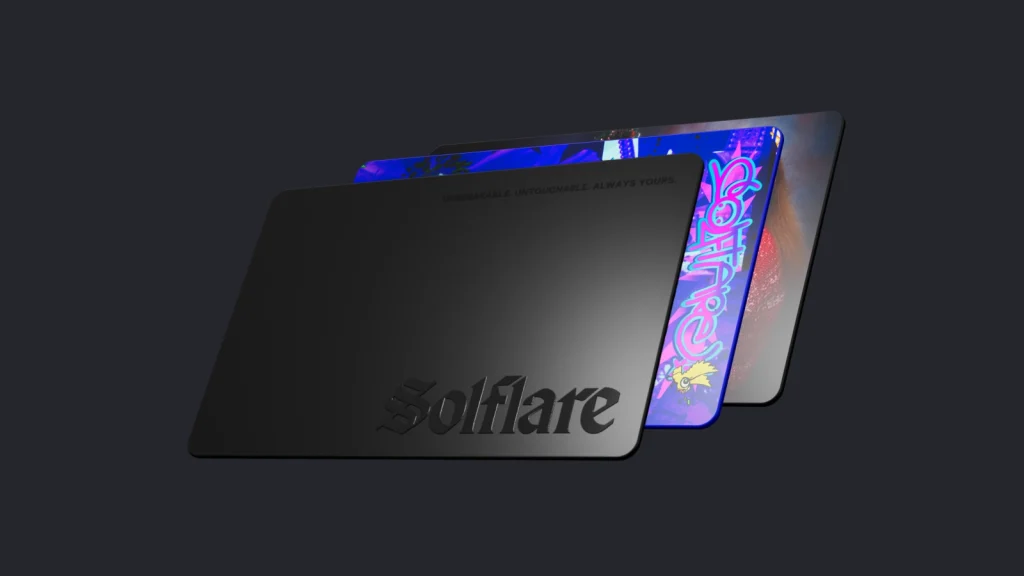
Solflare positions itself as a secure and user-friendly option. It offers a similar feature set to Phantom, including token swaps and NFT support. Solflare also provides a staking interface and allows users to connect to hardware wallets for added security. They’ve consistently focused on a clean user experience, making it a good choice for beginners.
Sollet is the official wallet from the Solana Foundation. It’s a browser extension wallet known for its simplicity and security. While it may not have all the bells and whistles of other wallets, it's a reliable option for basic Solana transactions. It is a non-custodial wallet, meaning you have full control of your private keys.
Backpack has gained traction due to its focus on security and its innovative features. It allows users to create 'smart wallets' with customizable security settings and transaction limits. Backpack also offers a built-in marketplace for NFTs and a unique 'social wallet' feature that allows users to share their wallet activity with friends. It’s a more advanced wallet, but offers a compelling set of features.
Marinade is primarily known as a liquid staking protocol, but they also offer a wallet that is tightly integrated with their staking services. This makes it easy to stake your SOL and earn rewards directly from your wallet. It's a good option for users who are primarily interested in staking.
Hxro caters to traders, offering advanced charting tools and order book access. It’s designed for users who are actively trading on Solana DEXs. The interface is more complex than some other wallets, but provides the tools needed for serious trading. It's not the best choice for beginners.
Neon differentiates itself with a focus on cross-chain compatibility. It allows users to access and manage assets on multiple blockchains from a single interface. This is a valuable feature for users who are active in multiple ecosystems. It's still relatively new, but shows significant promise.
Featured Products

Securely manage crypto and NFTs · Accessible hardware wallet · Desktop and Android compatibility
This hardware wallet offers a high level of security for managing your Solana assets, including DeFi tokens and NFTs, by keeping your private keys offline.

Secure crypto wallet signers · Bluetooth or cable connectivity · Manage thousands of digital assets
These hardware wallets offer the highest level of security for managing your Solana assets, including DeFi tokens and NFTs, by keeping your private keys offline.
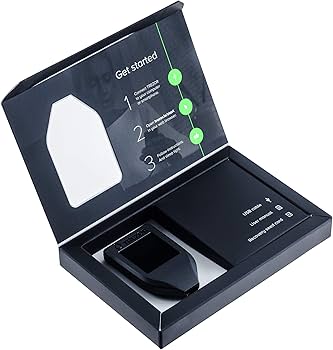
Advanced security features · User-friendly interface · Offline private key storage
This hardware wallet offers the highest level of security for managing your Solana assets, including DeFi tokens and NFTs, by keeping your private keys offline.
As an Amazon Associate I earn from qualifying purchases. Prices may vary.
How to avoid getting drained
Security should be your top priority when choosing a Solana wallet. The Solana ecosystem, like any blockchain, is not immune to attacks. Understanding the common threats and how to mitigate them is crucial. Phishing attacks are a major concern, with scammers attempting to steal your seed phrase or private keys through fake websites or emails.
The difference between custodial and non-custodial wallets is fundamental. Custodial wallets (like those offered by centralized exchanges) hold your private keys for you. This is convenient, but it means you don't have full control of your assets. Non-custodial wallets (like Phantom and Solflare) give you complete control of your keys, but also come with the responsibility of keeping them safe. I strongly recommend using a non-custodial wallet for long-term storage.
Your seed phrase is the key to your wallet. Never share it with anyone, and store it offline in a secure location. Consider using a metal seed phrase backup for added protection against fire or water damage. Enabling two-factor authentication (2FA) wherever possible adds an extra layer of security. Be wary of browser extensions; only install extensions from trusted sources.
Regularly review the permissions granted to your wallet. Some dApps may request access to your funds or tokens; carefully consider whether these permissions are necessary. Keep your software up to date to patch any security vulnerabilities. A proactive approach to security is the best defense against potential threats.
- Write your seed phrase on paper or metal and keep it out of reach of any internet-connected device.
- Use hardware-based 2FA or passkeys rather than SMS codes which are vulnerable to SIM swapping.
- Be wary of phishing attacks: Double-check website URLs and email senders.
- Review wallet permissions: Understand what access dApps have to your funds.
Connecting to dApps and NFT galleries
A Solana wallet’s usefulness is heavily tied to its compatibility with the DeFi and NFT ecosystems. Support for popular decentralized exchanges (DEXs) like Raydium, Orca, and Serum is essential if you plan to trade tokens. Look for wallets that offer seamless integration with these platforms, allowing you to connect and trade directly from your wallet.
For NFT collectors, the ability to view and manage your NFTs within the wallet is a major convenience. Wallets like Phantom and Backpack offer built-in NFT galleries, making it easy to showcase your collection. Support for popular NFT marketplaces like Magic Eden and Tensor is also important. The wallet should be able to handle SPL tokens used for NFT transactions.
Wallet features like transaction signing and gas fee estimation can significantly improve your DeFi experience. A good wallet will clearly display the transaction details before you sign it, allowing you to review and approve the transaction. Accurate gas fee estimations help you avoid overpaying for transactions. Built-in swap functionality can save you time and effort.
It's not enough for a wallet to simply support DeFi and NFTs; it needs to make it easy to use. A user-friendly interface, clear instructions, and helpful error messages are all important factors to consider. Wallets that prioritize usability will make your experience more enjoyable and reduce the risk of errors.
Solana Wallet Comparison - DeFi & NFT Feature Set (2026)
| Wallet Name | DEX Support | NFT Marketplace Support | Built-in Swap | Transaction Fee Estimation |
|---|---|---|---|---|
| Phantom | Excellent | Excellent | Yes | Yes |
| Solflare | Good | Excellent | Yes | Yes |
| Backpack | Excellent | Excellent | Yes | Yes |
| Orca | Excellent | Good | Yes | Yes |
| Math Wallet | Good | Good | Yes | No |
| Trust Wallet | Limited | Good | Yes | No |
Illustrative comparison based on the article research brief. Verify current pricing, limits, and product details in the official docs before relying on it.
Hardware support and staking
Some Solana wallets go beyond basic asset storage and offer advanced features like built-in staking functionality. Marinade, for example, allows you to stake your SOL directly from your wallet and earn rewards. This simplifies the staking process and eliminates the need to use a separate staking platform.
Support for hardware wallets (Ledger, Trezor) is a significant security enhancement. Hardware wallets store your private keys offline, making them much more resistant to online attacks. Many Solana wallets allow you to connect to a hardware wallet for added peace of mind. This is a particularly good option for long-term storage of significant amounts of crypto.
Advanced transaction controls, such as the ability to set transaction limits or require multiple approvals, can also enhance security. Portfolio tracking tools help you monitor the value of your assets over time. Token management tools allow you to easily add and remove tokens from your wallet. These features can make managing your Solana assets much more efficient.
Wallet Standouts: Backpack & Neon
Backpack is particularly interesting due to its focus on security and its 'smart wallet' concept. The ability to create wallets with customizable security settings and transaction limits is a game-changer. Backpack's built-in marketplace and social wallet feature add further value, making it a compelling option for users who are looking for a more advanced and feature-rich wallet. It's not the simplest wallet to use, but the added security and functionality are worth the learning curve.
Neon stands out with its focus on cross-chain compatibility. The ability to manage assets on multiple blockchains from a single interface is a significant advantage for users who are active in multiple ecosystems. While it’s still relatively new, Neon has the potential to become a leading cross-chain wallet. The interface is clean and intuitive, making it easy to navigate between different blockchains.
Both Backpack and Neon are pushing the boundaries of what a Solana wallet can be. They represent the next generation of wallets, offering features that are not available in more traditional options. If you're looking for a wallet that is innovative and forward-thinking, Backpack and Neon are both worth considering.
No comments yet. Be the first to share your thoughts!