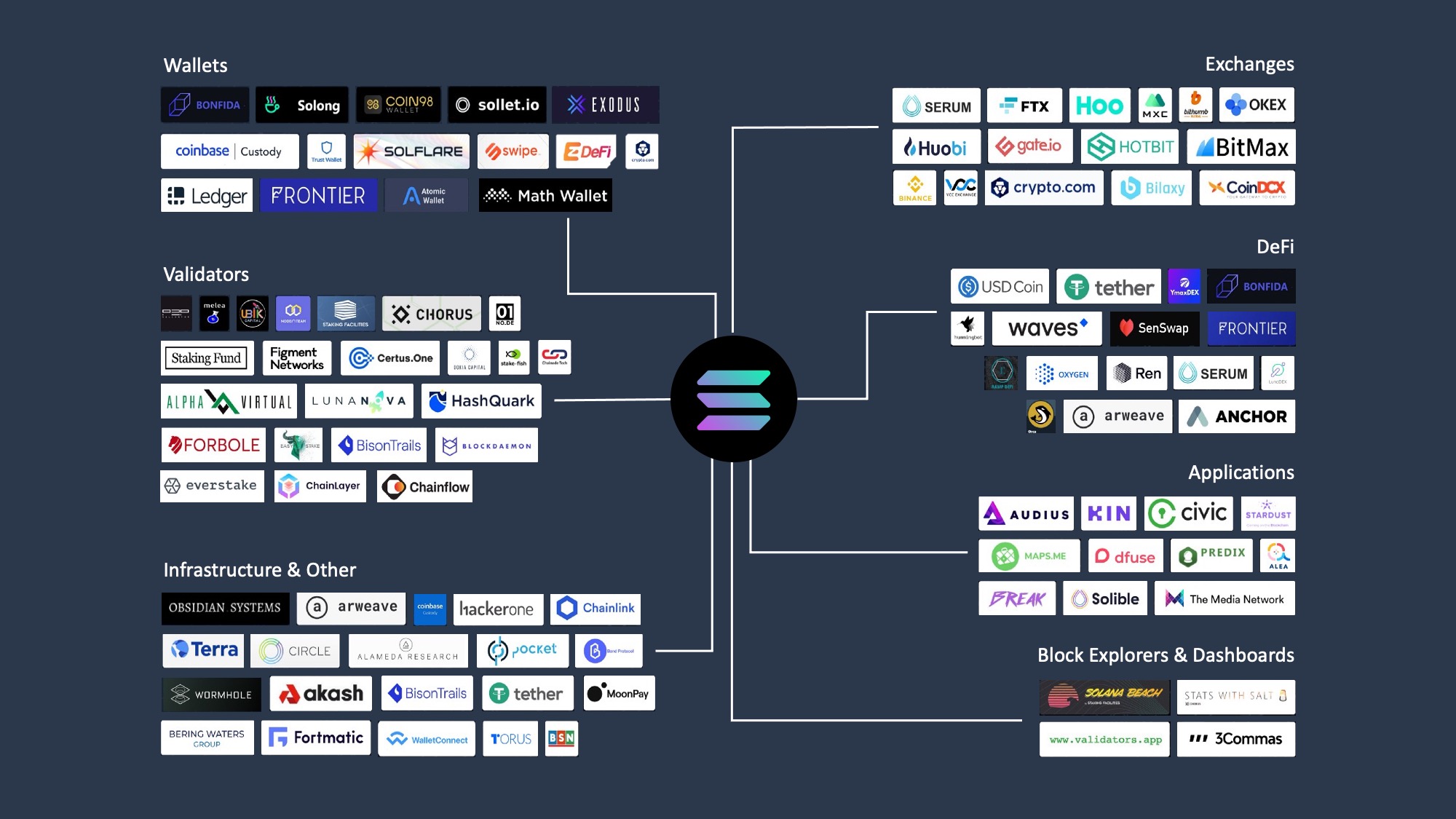

How we picked the best Solana wallets
Choosing a Solana wallet isn't just about storing tokens; it's about selecting the gateway to the entire Solana ecosystem. We evaluated the leading options based on three core criteria: security architecture, user interface clarity, and native DeFi compatibility. Our goal was to identify wallets that balance ease of use for beginners with the technical depth required by active traders.
Security is the non-negotiable foundation of any crypto wallet. We prioritized wallets with transparent security records, open-source codebases where applicable, and clear protocols for key management. We specifically looked for solutions that offer robust hardware wallet integration, allowing you to keep your private keys offline while still interacting with Solana dApps. For a comprehensive list of vetted options, the Solana Foundation maintains an official directory of compatible wallets, which served as our primary baseline for legitimacy.
Beyond security, we assessed how well each wallet handles the unique features of the Solana network, such as SPL token support and transaction speed. A wallet that struggles with token metadata or high transaction volumes creates friction that can cost users time and money. We also examined the user interface to ensure that managing assets, swapping tokens, and connecting to decentralized applications feels intuitive rather than overwhelming.
To help you decide, here is a quick checklist of what to look for when testing a new wallet:
- Security: Does it support hardware wallet integration (Ledger, Trezor)?
- Compatibility: Does it natively support SPL tokens and major Solana dApps?
- Usability: Is the interface clear for sending, receiving, and swapping assets?
- Reputation: Is the wallet listed on the official Solana wallets page?
By focusing on these practical factors, we narrowed down the market to the most reliable and user-friendly options available for 2026.
Phantom: The best all-in-one Solana wallet
Phantom has grown into the standard for daily Solana interaction, serving more than 15 million users who rely on its interface for everything from buying their first token to managing complex DeFi positions. Its reputation rests on simplicity; the wallet handles token metadata and transaction signing behind the scenes, which translates to faster confirmations and lower fees for the end user. This balance of power and ease of use makes it the most common recommendation for both newcomers and seasoned traders.
The wallet’s strength lies in its deep integration with the Solana ecosystem. Instead of forcing you to navigate away to different platforms, Phantom provides quick access to tokens, NFTs, and dApps within a single, smooth UI. This cohesion reduces friction, allowing you to swap tokens, bridge assets, or mint NFTs without leaving the familiar dashboard. It effectively acts as a gateway to the broader network, making the technical complexity of blockchain interactions feel invisible.
While the software wallet is robust, securing your assets requires a layered approach. Phantom is designed to pair seamlessly with hardware security keys, allowing you to sign transactions on a cold device while using the app for daily browsing. This combination offers the convenience of a hot wallet with the security of offline storage, protecting your holdings against online threats and phishing attempts.


As an Amazon Associate, we may earn from qualifying purchases.
Solflare: Best for advanced DeFi users
Solflare positions itself as the power user’s choice within the Solana ecosystem. While Phantom prioritizes a streamlined, consumer-friendly interface, Solflare offers granular control over transaction details. This makes it the preferred tool for DeFi participants who need to inspect raw transaction data, manage multiple accounts simultaneously, and navigate complex smart contract interactions without friction.
The wallet’s interface is designed for clarity rather than minimalism. Users can view detailed transaction simulations before signing, which is critical when interacting with high-stakes DeFi protocols. Solflare also supports advanced features like priority fees and custom RPC endpoints, allowing users to optimize their transactions for speed and cost during network congestion. This level of technical oversight is often missing in simpler wallets, making Solflare a robust option for serious traders and developers.
Solflare’s approach to security and usability balances transparency with ease of use. It supports hardware wallet integration for cold storage, ensuring that private keys remain offline while still allowing seamless interaction with dApps. The wallet also provides a built-in swap feature that aggregates liquidity across multiple Solana DEXs, helping users get the best rates without leaving the interface. For those who need more than just a place to hold SOL, Solflare provides the tools to actively manage assets.
To see how Solflare stacks up against the market leader, here is a direct comparison of key features.
| Feature | Solflare | Phantom |
|---|---|---|
| Transaction Simulation | Detailed raw data view | Standard preview |
| Multi-Account Management | Native, easy switching | Supported but less prominent |
| Priority Fee Control | Advanced settings | Basic options |
| Hardware Wallet Support | Ledger & Trezor | Ledger & Trezor |
| Built-in Swap Aggregation | Yes, multi-DEX | Yes, single aggregator |
Hardware wallets for maximum Solana security
For long-term Solana holdings, a hardware wallet is the safest option. Unlike software wallets, these physical devices keep your private keys offline, making them immune to remote hacks or phishing attacks. If you are storing significant value, this is the standard recommendation from security experts.
Popular options like Ledger and Trezor support Solana natively. You can manage your SOL and SPL tokens directly through their companion apps while the keys remain sealed inside the device. This setup ensures that even if your computer is infected with malware, your funds stay protected.
AmazonProductGrid allows you to browse current hardware wallet models. Look for devices that explicitly list Solana support in their feature set before purchasing.


As an Amazon Associate, we may earn from qualifying purchases.
Is Phantom the best Solana wallet for you?
Phantom has earned its reputation as the default Solana wallet because it balances ease of use with deep technical integration. For most users, the question isn't whether Phantom works, but whether its feature set aligns with your specific needs. It supports protocol-level features unique to Solana, including SPL token handling and efficient transaction signing, which translate directly to cheaper fees and faster confirmations compared to many other chains.
The wallet’s interface is clean and accessible, making it a strong choice for beginners who want to interact with dApps without friction. It integrates seamlessly with the majority of Solana-based platforms, from NFT marketplaces to DeFi protocols. If your primary goal is daily trading or casual browsing of the Solana ecosystem, Phantom provides a smooth, reliable experience.
However, "best" is subjective. If you prioritize extreme simplicity over advanced features, you might find Solflare’s interface more intuitive. Conversely, if you are holding significant assets long-term, a hardware wallet like Ledger offers superior security, though it requires more steps to sign transactions. Phantom sits in the sweet spot for users who want a software wallet that feels professional without the complexity of managing seed phrases on separate devices.
No comments yet. Be the first to share your thoughts!