
Solana defi yields in 2026
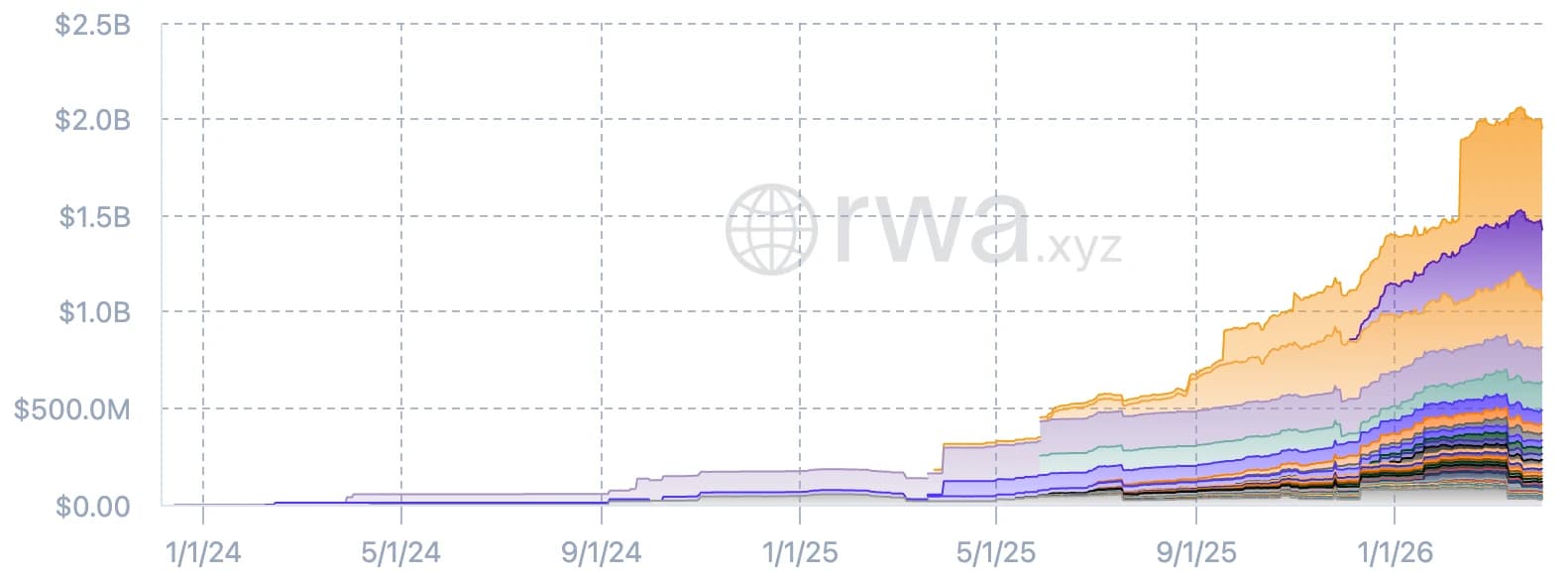
Solana's total value locked hit $11 billion in 2026. High throughput and low fees are the main drivers, but the real draw is how well the network handles complex financial instruments. We're seeing more projects move here because they can actually run high-frequency strategies without the gas costs killing the returns.
However, the DeFi space isn't immune to volatility. 2025 saw a period of market correction, reminding investors of the inherent risks involved. Smart contract exploits, impermanent loss, and broader macroeconomic factors all contribute to potential downsides. Despite these challenges, Solana’s fundamental advantages – speed and cost – continue to position it as a leading platform for DeFi innovation. A healthy ecosystem requires a balance between risk and reward, and understanding this dynamic is crucial for navigating the landscape.
Currently, yields across various Solana DeFi platforms range significantly, from relatively conservative stablecoin lending rates to high-risk, high-reward leveraged yield farming strategies. The average 24-hour trading volume remains strong at $430 million, and transaction fees average a remarkably low $0.18, making Solana an attractive environment for frequent traders and yield optimizers. I believe the focus in 2026 will be on sustainable yields and building robust security measures.
Don't let high APYs blind you. I've seen too many people jump into unaudited pools only to lose their principal in a weekend. Diversify across different protocols and check the audit dates before you deposit. In this market, a strategy that prints money on Tuesday can be obsolete by Friday.
The 10 best yield platforms right now
Ranking the top Solana DeFi platforms by yield is a moving target, but as of late 2026, these ten consistently offer competitive returns. It's vital to remember that APYs fluctuate based on market conditions and platform activity. The numbers provided are estimates based on current trends and should be verified on each platform's website.
1. Marinade Finance (mSOL Staking): Marinade Finance remains a dominant force in liquid staking, offering around 8-12% APY for staking SOL and receiving mSOL. This allows users to earn yield while maintaining liquidity. Risk assessment: Moderate – smart contract risk, but minimized by extensive audits.
2. Raydium (Automated Market Maker): Raydium continues to be a hub for yield farming, with APYs ranging from 15-30% depending on the pool. Providing liquidity on Raydium carries the risk of impermanent loss. Risk assessment: Moderate to High – impermanent loss, smart contract risk.
3. Orca (Concentrated Liquidity): Orca’s concentrated liquidity pools offer potentially higher yields (20-40%) compared to traditional AMMs, but also amplify impermanent loss. Risk assessment: High – impermanent loss, smart contract risk.
4. Tulip Protocol (Yield Farming Aggregator): Tulip Protocol simplifies yield farming by aggregating strategies across multiple platforms. APYs vary, typically between 12-25%. Risk assessment: Moderate – relies on the security of underlying protocols.
5. Solend (Lending & Borrowing): Solend offers lending and borrowing services with APYs ranging from 5-15% for lenders and competitive borrowing rates. Risk assessment: Moderate – liquidation risk, smart contract risk.
6. Francium (Leveraged Yield Farming): Francium allows users to amplify their yields through leverage. APYs can exceed 50%, but the risk of liquidation is significantly higher. Risk assessment: Very High – liquidation risk, smart contract risk.
7. Saber (Stablecoin AMM): Saber focuses on stablecoin swaps and offers relatively stable yields around 3-8%. It also functions as a cross-chain bridge. Risk assessment: Low to Moderate – smart contract risk, de-pegging risk.
8. Quarry Protocol (Liquidity Mining Infrastructure): Quarry Protocol provides infrastructure for liquidity mining, enabling projects to launch incentivized pools. APYs vary greatly depending on the project. Risk assessment: Moderate to High – project-specific risk, smart contract risk.
9. Drift Protocol (Perpetual Swaps): Drift Protocol offers perpetual swaps trading and yield generation through market making. APYs can be substantial, but involve significant trading risk. Risk assessment: Very High – trading risk, liquidation risk, smart contract risk.
10. Kamino Finance (Concentrated Liquidity Management): Kamino Finance provides tools for managing concentrated liquidity positions, optimizing yield and minimizing impermanent loss. APYs range from 10-20%. Risk assessment: Moderate – impermanent loss, smart contract risk.
Top 10 Solana DeFi Platforms Offering Highest Yields in 2026
| Platform Name | Yield Type(s) | APY Range (Low-High) | Risk Level | Platform Link |
|---|---|---|---|---|
| Marinade Finance | Liquid Staking with mSOL | Variable, dependent on network activity | Medium | https://marinade.finance/ |
| Raydium | Automated Market Maker and Yield Farming | Variable, dependent on pool and trading fees | Medium | https://raydium.io/ |
| Orca | Concentrated Liquidity and Yield Farming | Variable, dependent on pool and trading fees | Medium | https://orca.so/ |
| Tulip Protocol | Yield Farming Aggregator | Variable, dependent on underlying protocols | High | https://tulip.garden/ |
| Solend | Lending and Borrowing Protocol | Variable, dependent on utilization rates | Medium | https://solend.fi/ |
| Francium | Leveraged Yield Farming | Variable, significantly higher risk/reward | High | https://francium.io/ |
| Saber | Stablecoin AMM and Cross-Chain Bridge | Generally lower, stable yields | Low | https://saber.xy/ |
| Quarry Protocol | Liquidity Mining Infrastructure | Variable, dependent on supported pools | Medium | https://quarry.protocol/ |
| Drift Protocol | Perpetual Swaps and Yield Generation | Variable, dependent on trading volume and position | High | https://drift.trade/ |
| Kamino Finance | Concentrated Liquidity Management | Variable, dependent on pool and trading fees | Medium | https://kaminofinance.io/ |
Illustrative comparison based on the article research brief. Verify current pricing, limits, and product details in the official docs before relying on it.
Emerging Platforms: Drift & Tensor
Drift and Tensor are relatively new platforms gaining traction within the Solana DeFi space. Drift Protocol focuses on decentralized perpetual swaps, offering a novel approach to derivatives trading. Tensor, while still in its early stages, aims to revolutionize on-chain order execution for Solana traders.
Drift Protocol’s innovative design allows for efficient and capital-efficient trading of perpetual swaps. The platform utilizes a virtual automated market maker (vAMM) to provide liquidity and facilitate trading. This approach offers advantages over traditional order book exchanges, such as lower slippage and higher capital efficiency. However, it also introduces new risks, such as vAMM manipulation.
Tensor is building a suite of tools aimed at improving the trading experience on Solana. The platform’s focus on order execution and front-running prevention could significantly benefit traders. While still under development, Tensor has the potential to become a key infrastructure provider for the Solana DeFi ecosystem.
Investing in these emerging platforms carries a higher degree of risk compared to established protocols. Thorough research and a cautious approach are essential. The potential rewards, however, could be substantial if these platforms succeed in their respective missions.
How to avoid losing your shirt
Participating in Solana DeFi offers the potential for high returns, but it also exposes you to a range of risks. Ignoring these risks can lead to significant financial losses. A robust risk management strategy is therefore paramount.
Smart contract vulnerabilities are a constant threat. Even well-audited contracts can contain bugs that could be exploited by hackers. Diversifying your portfolio across multiple protocols reduces your exposure to any single contract. Regularly review platform security audits and be wary of unaudited or recently launched protocols.
Impermanent loss is a significant risk for liquidity providers. It occurs when the price of the assets you’ve deposited changes, resulting in a loss compared to simply holding the assets. Understand the potential for impermanent loss before providing liquidity and choose pools with low volatility.
Liquidation risk is a concern for borrowers. If your collateral value falls below a certain threshold, your position will be liquidated, resulting in a loss of capital. Monitor your collateralization ratio closely and consider using stop-loss orders to mitigate this risk. Regulatory uncertainty also looms over the DeFi space. Changes in regulations could impact the legality and viability of certain protocols.
Tools for Tracking Solana DeFi Yields
Staying informed about yields and monitoring your portfolio is crucial for success in Solana DeFi. Several tools and resources can assist you in this endeavor.
DeFiLlama (defillama.com) is a popular platform for tracking TVL and APYs across various blockchains, including Solana. It provides a comprehensive overview of the DeFi landscape and allows you to compare yields across different protocols. Solana Beach (solanabeach.io) offers real-time data on Solana transactions, token prices, and liquidity pools.
Solana explorers, such as Solscan (solscan.io), allow you to view transaction history, token balances, and smart contract code. These tools are invaluable for conducting due diligence and verifying the legitimacy of protocols. Several portfolio management tools, like Raydium’s portfolio tracker, allow you to monitor your investments and track your returns.
While a comprehensive Solana SDK isn’t a single tool for yield tracking, developers utilize Solana’s APIs to build custom dashboards and analytical tools. Understanding these APIs allows for deeper insights into on-chain data and facilitates the creation of sophisticated trading strategies.
Featured Products

Robust garlic and citrus flavor profile · Versatile for chicken, pork, seafood, and grilling · Convenient 10 oz size
While not a DeFi platform, this marinade offers a compelling flavor profile that enhances grilled meats, a common pairing for celebratory meals.

Guides users on maximizing yield farming returns · Focuses on efficient strategies · Instant access to digital content
This e-book provides essential knowledge for users looking to understand and implement yield farming strategies within the Solana ecosystem.

Powerful liquid nutrient solution · Suitable for large-scale cultivation · Promotes vigorous plant growth
This high-volume nutrient solution is ideal for cultivators aiming to optimize plant health and yield, mirroring the growth-focused objectives in DeFi.
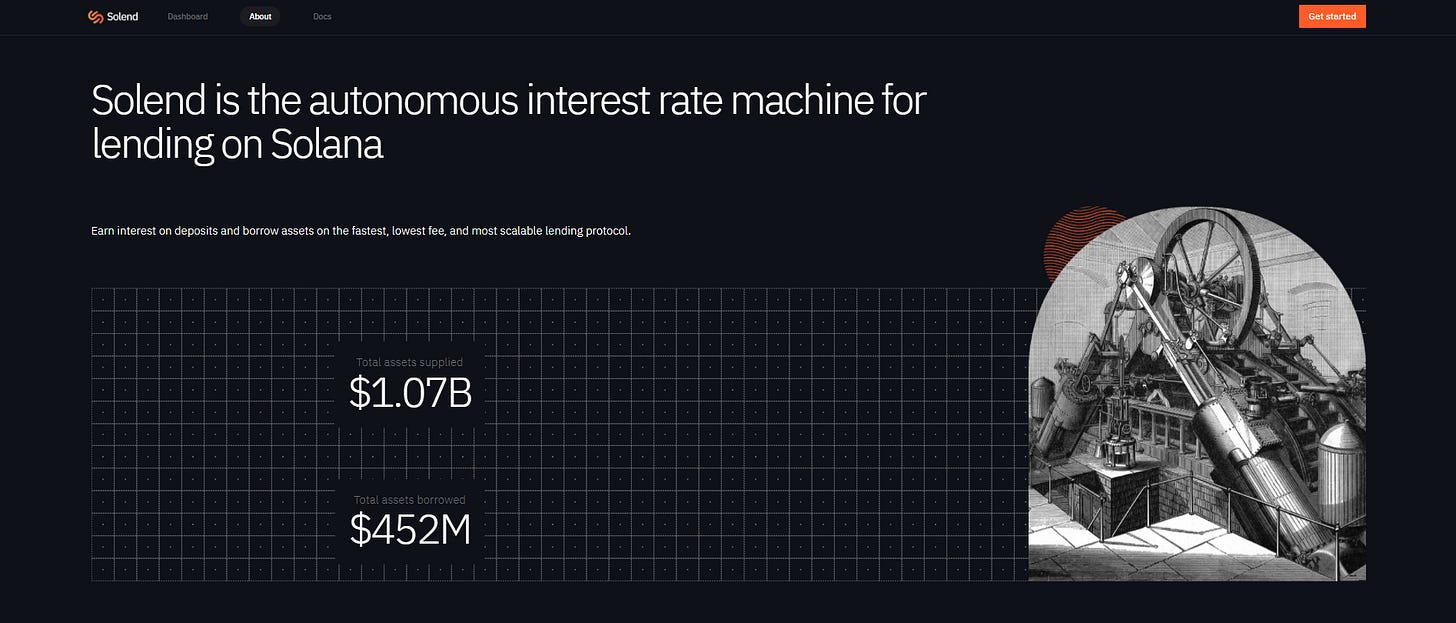
Decentralized lending and borrowing protocol on Solana · Facilitates earning interest on deposits · Enables borrowing assets against collateral
Solend is a cornerstone of the Solana DeFi ecosystem, offering users opportunities to earn passive income through lending and leverage assets via borrowing.
Automated yield aggregation on Solana · Optimizes yield farming strategies · Maximizes returns across various DeFi protocols
Tulip Protocol is a leading yield aggregator on Solana, designed to automatically compound user yields and maximize returns across different DeFi opportunities.
As an Amazon Associate I earn from qualifying purchases. Prices may vary.
No comments yet. Be the first to share your thoughts!