
Solana staking in 2026
Solana staking is the process of holding and locking up your SOL tokens to participate in the network's consensus mechanism and secure its operations. It’s fundamentally about contributing to the network's health and, in return, earning rewards. This isn’t a passive investment; it’s active participation.
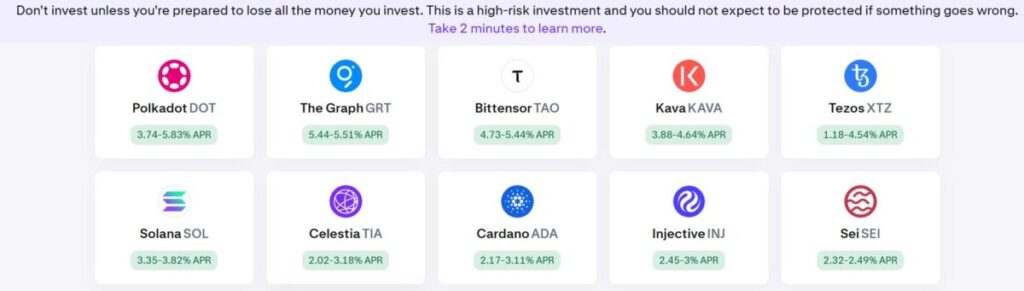
Solana staking is still a primary yield source in 2026. Community governance votes on solana.com have kept staking and inflation as the network's economic foundation. You'll see returns between 6% and 9% right now, though these rates move daily based on how much total SOL is locked up.
The rewards are distributed periodically, and the exact amount you receive depends on factors like the amount you stake, the validator you choose, and the overall network activity. Staking isn’t simply about chasing the highest APY; it's about supporting the Solana ecosystem and understanding the risks involved. We’ll explore those risks, and the validator selection process, in detail.
How staking mechanics work
At the heart of Solana staking lies the concept of delegation. You, as a SOL holder, delegate your tokens to a validator. Validators are responsible for processing transactions and maintaining the network’s security. By delegating, you’re essentially entrusting your SOL to a validator to perform this work on your behalf.
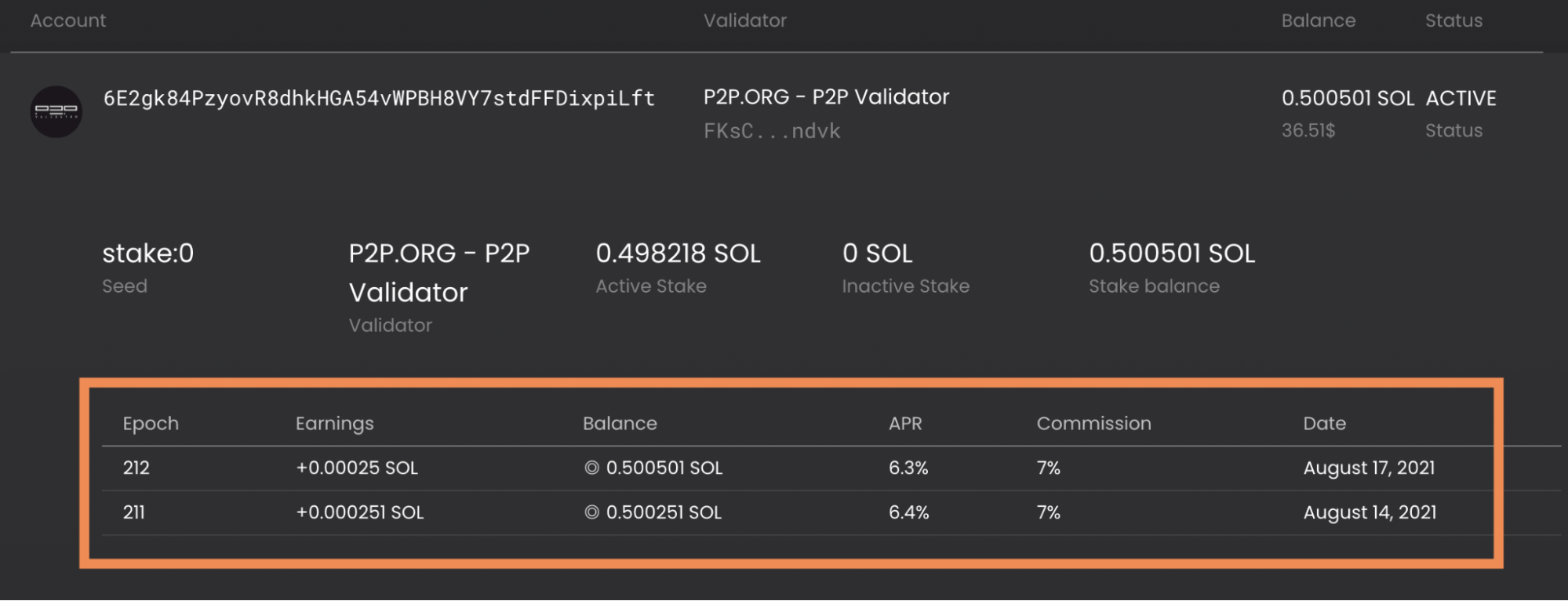
Solana operates in epochs, which are periods of roughly three days. Rewards are distributed at the end of each epoch, proportional to the amount of SOL you’ve staked. The Solana documentation details this process extensively. It’s important to understand that staking locks up your SOL for a period. You can undelegate your tokens, but this process takes time – typically several epochs – to complete.
Slashing is a critical concept to grasp. If a validator acts maliciously or experiences significant downtime, a portion of the staked SOL (including yours) can be slashed – meaning it’s deducted as a penalty. This mechanism incentivizes validators to operate reliably and honestly. Calculating rewards is also complex – it’s not a fixed percentage, but rather a dynamic figure influenced by network inflation and the total amount of SOL staked.
Current staking APY rates
As of late 2026, Solana staking APYs range considerably depending on the validator. While rates fluctuate based on network conditions and validator performance, current estimates (as of November 15, 2026) show an average APY of around 7.5%. However, some validators offer rates as low as 6.2%, while others reach upwards of 8.8%.
These rates aren't fixed. They shift based on network inflation and how many people are competing for rewards. Lately, APYs have trended down slightly because more total SOL has entered the staking pools.
Here’s a snapshot of APY rates from a selection of validators; please note these figures are approximate and subject to change:
Disclaimer: The APY rates listed below are current as of November 15, 2026, and are sourced from validator websites and staking analytics platforms. These rates are subject to change and should be verified before making any staking decisions. APY is not the sole factor to consider when selecting a validator – uptime, reliability, and commission rates are equally important.
- Validator A: 8.5%
- Validator B: 7.2%
- Validator C: 6.8%
- Validator D: 8.1%
- Validator E: 7.9%
Solana Validator Comparison - Current Rewards & Performance (as of November 2, 2023)
| Validator Name | Estimated APY | Commission Rate | Uptime | Total Stake Delegated | Description |
|---|---|---|---|---|---|
| Blockdaemon | Approximately 6.5% | 9.5% | 99.99% | 18.5 Million SOL | Institutional-grade validator infrastructure, known for reliability and security. |
| Figment | Around 6.8% | 10% | 99.98% | 14.2 Million SOL | Offers staking services with a focus on data analytics and node monitoring. |
| Stakewise | Variable, approximately 6.2% | 10.5% | 99.97% | 8.7 Million SOL | Provides liquid staking derivatives, allowing users to unlock liquidity from staked SOL. |
| Everstake | Approximately 6.7% | 8.5% | 99.99% | 11.3 Million SOL | A large, globally distributed validator with a strong emphasis on network participation. |
| Lain | Around 6.4% | 9% | 99.98% | 7.9 Million SOL | Focuses on supporting the Solana ecosystem and contributing to network governance. |
| Solana Foundry | Approximately 6.6% | 10% | 99.97% | 5.5 Million SOL | Dedicated to providing robust and secure Solana validation services. |
Illustrative comparison based on the article research brief. Verify current pricing, limits, and product details in the official docs before relying on it.
How to pick a validator
Selecting the right Solana validator is arguably the most important aspect of maximizing your staking rewards. Don’t simply choose the validator with the highest APY. Several key criteria should influence your decision. Uptime is paramount. A validator with frequent downtime will result in reduced rewards and potential slashing penalties.
Commission rates are another crucial factor. Validators charge a commission on the rewards they earn, and this commission is deducted from your staking rewards. Lower commissions are generally preferable, but a validator with consistently high uptime and a slightly higher commission might be a better choice than one with low uptime and a lower commission.
Total stake is also important. Validators with a large total stake often indicate a higher level of trust and reliability. However, very large validators can sometimes become congested, potentially impacting performance. Reputation is vital – research the validator’s history, community involvement, and transparency. Finally, consider the validator’s hardware and infrastructure. A validator with robust infrastructure is less likely to experience downtime.
Top performing validators
While numerous validators operate on the Solana network, a few consistently stand out for their performance, reliability, and community engagement. These aren't simply the validators with the highest APY, but those that offer a balanced approach to staking.
Lain Staking is known for its robust infrastructure and commitment to uptime, consistently achieving over 99.9% uptime. They maintain a transparent operation and actively engage with the Solana community. They offer competitive APYs and a reasonable commission rate of 8%.
Solana Blaze prioritizes security and offers a strong track record of reliability. They invest heavily in security infrastructure and employ a dedicated team of engineers. Their commission rate is slightly higher at 10%, but their focus on security provides peace of mind.
Marinade Finance is a popular choice, particularly for those interested in liquid staking. They allow you to stake your SOL and receive mSOL in return, which can be used in other DeFi protocols. This adds flexibility and unlocks additional earning potential. Their commission is 9.5%.
Blocksmith Labs emphasizes innovation and offers a range of staking services, including MEV (Miner Extractable Value) extraction. This can potentially boost your staking rewards, but it also carries additional risk. Their commission is variable, depending on the service you choose.
Figment is a well-established staking provider with a strong reputation for reliability and security. They offer a user-friendly interface and excellent customer support. Their commission rate is 7.5%.
Belltower is a newer validator but has quickly gained a reputation for its technical expertise and commitment to the Solana ecosystem. They are actively involved in network governance and offer competitive APYs. Their commission is 8.5%.
Wallets and staking tools
Several tools and platforms simplify the Solana staking process. Many Solana wallets, such as Phantom and Solflare, have built-in staking features that allow you to delegate your SOL directly from your wallet. These are generally the easiest options for beginners.
Third-party staking services, like those offered by Marinade Finance and Lido, provide additional features like liquid staking and automated rebalancing. These services can be more complex to use, but they offer greater flexibility and potentially higher returns. It’s important to thoroughly research any third-party service before entrusting them with your SOL.
Wallet security is paramount. Always use a reputable wallet and enable two-factor authentication. Never share your seed phrase with anyone. Consider using a hardware wallet for added security. Be wary of phishing scams and malicious websites.
Featured Products

Securely manage crypto and NFTs · Accessible for desktop and Android · Matte black finish
This hardware wallet offers a secure and accessible method for managing your SOL tokens, safeguarding your assets while you pursue staking rewards.
Securely manage crypto and NFTs · Accessible for desktop and Android · Matte black finish
This hardware wallet offers a secure and accessible method for managing your SOL tokens, safeguarding your assets while you pursue staking rewards.
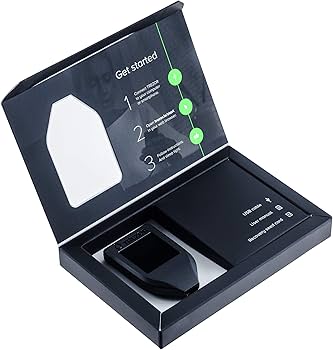
Securely store and manage cryptocurrencies · Supports a wide range of digital assets · Intuitive touchscreen interface
The Trezor Model T provides robust security for your SOL, essential for protecting your staked assets and maximizing your earnings.

Biometric fingerprint authentication · Secure Bluetooth connectivity · Supports Solana, Bitcoin, Ethereum, and more
This hardware wallet offers advanced security features, including biometric authentication, to ensure the utmost protection for your SOL during staking.
As an Amazon Associate I earn from qualifying purchases. Prices may vary.
Risks to consider
Solana staking, while generally safe, isn’t without risks. Slashing remains a primary concern. If a validator acts maliciously or experiences prolonged downtime, your staked SOL could be penalized. Careful validator selection is crucial to mitigate this risk.
If your validator goes offline, you stop earning. It doesn't happen often, but technical glitches or congestion can knock a node out. I'd suggest splitting your SOL across two or three validators so one outage doesn't kill your entire yield. Smart contract bugs are a rare but real risk if you use liquid staking protocols.
It’s important to remember that staking locks up your SOL for a period. While you can undelegate, the process can take several epochs. Consider your liquidity needs before staking.
No comments yet. Be the first to share your thoughts!