
Solana bots in 2026
Automated trading on Solana is gaining traction, though it’s hard to pin down exact numbers. What’s clear is that the appeal is growing, especially with traders interested in capitalizing on the network’s speed and low transaction costs. You’ll find a mix of retail traders, experienced crypto investors, and even some smaller DAOs experimenting with bots to manage their treasury.
The history of Solana bots began shortly after the network gained popularity in 2021. Early bots were fairly basic, often focused on simple arbitrage opportunities. Over time, they’ve become more sophisticated, incorporating advanced strategies like market making and sniping, and integrating with more complex trading tools. The development of frameworks like Anchor and the continued improvements to Solana’s runtime have fueled this evolution.
The hype suggests easy money, but the reality is more technical. Most bots fail because they can't account for sudden liquidity shifts or network congestion. I've seen traders lose their entire stack because a 'proven' script didn't handle a network upgrade correctly. Success here isn't about being hands-off; it's about constant monitoring and code audits.
Manual vs. bot trading
Manual trading demands constant attention. You need to actively monitor the market, analyze charts, and execute trades based on your judgment. It requires a significant time commitment, and emotional discipline is paramount – avoiding impulsive decisions driven by fear or greed is often the hardest part. Successful manual traders often spend hours each day studying the market.
Bots, on the other hand, offer speed and efficiency. They can execute trades 24/7, reacting to market changes much faster than any human. Backtesting is a major advantage; you can simulate a bot’s performance using historical data to assess its potential profitability. However, bots aren’t foolproof. Bugs in the code can lead to unexpected losses, and the risk of front-running is a constant concern.
A significant downside to bots is the reliance on the developer's integrity. You’re trusting their code to execute your trades correctly, and a malicious or incompetent developer could put your funds at risk. There’s also a learning curve for both approaches. Manual trading requires mastering technical analysis and market fundamentals, while using bots often involves understanding parameters, configuring strategies, and troubleshooting issues.
Here's a quick comparison:
- Manual trading is a full-time job. You are the one staring at the 1-minute candles and fighting the urge to revenge-trade after a loss.
- Bots handle the 3 AM price swings without emotion, but they are only as good as their logic. A bug in your slippage settings can drain a wallet faster than any human error.
Solana Trading: Manual vs. Automated (Bot) – ROI & Key Considerations (2026 Outlook)
| Criteria | Manual Trading | Solana Trading Bots |
|---|---|---|
| Time Commitment | High – Requires constant market monitoring and active decision-making. | Low to Medium – Bots can operate 24/7 with minimal intervention, though setup and monitoring are needed. |
| Emotional Impact | High – Susceptible to fear, greed, and other emotions that can lead to poor trading decisions. | Low – Bots execute trades based on pre-defined rules, eliminating emotional bias. |
| Speed of Execution | Limited by human reaction time. Order fills can be slower, especially during volatile periods. | Very High – Bots can execute trades in milliseconds, capitalizing on fleeting opportunities. |
| Backtesting Capabilities | Difficult and time-consuming. Relies on manual review of historical data and subjective analysis. | Generally Available – Many bot platforms offer backtesting features to evaluate strategy performance on historical data. |
| Initial Cost | Low – Primarily the cost of exchange fees and potentially charting software. | Medium to High – Can range from subscription fees for bot platforms to development costs for custom bots. |
| Ongoing Maintenance | Low – Primarily monitoring market news and adjusting strategies as needed. | Medium – Requires regular monitoring, strategy adjustments, and potential code updates (for custom bots). |
| Risk of Errors | Moderate – Human error in order entry, analysis, or strategy implementation. | Moderate – Errors in bot code, API connectivity, or market data feeds can lead to unintended consequences. |
| Potential ROI | Variable – Dependent on skill, market conditions, and time invested. Can range from low to high. | Variable – Dependent on strategy effectiveness, market conditions, and bot reliability. Potential for medium to high returns. |
Illustrative comparison based on the article research brief. Verify current pricing, limits, and product details in the official docs before relying on it.
The reality of ROI
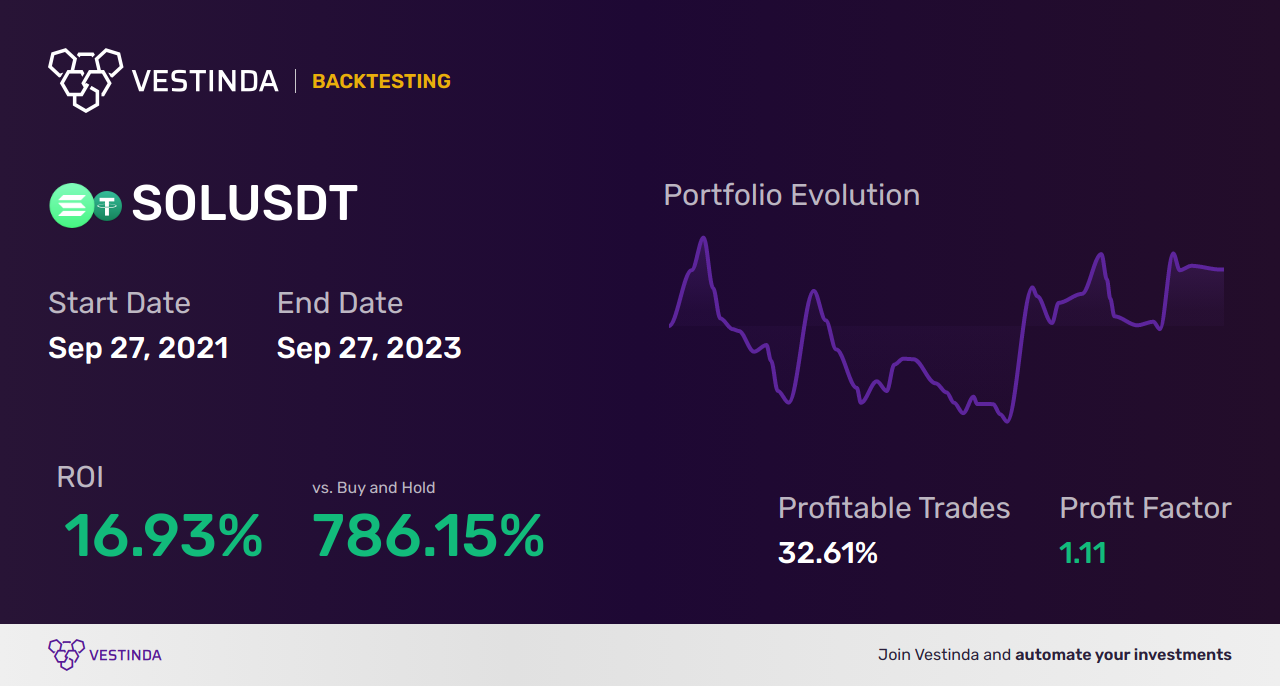
Let's be upfront: there are no guaranteed profits with Solana trading bots. ROI varies wildly depending on the strategy employed, current market conditions, and the quality of the bot itself. Some traders report substantial gains, while others experience losses. The 'get rich quick' promises you see online should be treated with extreme caution.
Costs are a major factor. You’ll likely have to pay a subscription fee for the bot itself, which can range from a few dollars a month to hundreds, or even thousands, for more sophisticated options. Then there are Solana transaction fees, which, while generally low, can add up, especially with high-frequency trading. Slippage – the difference between the expected price and the actual execution price – is another cost to consider.
Claims on X of 15% monthly returns usually ignore the cost of failed transactions and slippage. In a high-volatility week, a bot might execute 500 trades; if Solana's fees spike or the bot misses the exit by 0.5%, that 15% gain turns into a net loss. I don't trust these screenshots unless they show the net profit after all RPC and priority fees are deducted.
I'm not sure we'll find concrete, verifiable ROI numbers. What we can say is that profitability depends on several factors: a well-defined trading strategy, a reliable bot with minimal bugs, favorable market conditions, and effective risk management. Don't expect to simply plug in a bot and start making money. It requires research, testing, and ongoing optimization.
Top Solana Trading Bots (2026)
The Solana bot scene is constantly evolving, but here are a few tools that have gained some traction as of late 2026. Keep in mind that this isn’t an exhaustive list, and thorough research is always recommended before entrusting any bot with your funds.
Bitget Bot: Bitget now offers a dedicated Solana trading bot platform, providing a range of automated strategies. It’s geared towards both beginners and experienced traders, with options for grid trading, spot trading, and futures trading. Pricing varies depending on the subscription plan.
Pheonix: Pheonix is a popular choice for arbitrage trading on Solana. It’s known for its speed and efficiency in identifying and exploiting price discrepancies across different exchanges. It requires some technical knowledge to set up and configure.
Orca Bot: Orca, a well-known Solana DEX, has started offering basic bot functionality within its platform. This is a good option for users already familiar with the Orca ecosystem, and it's relatively easy to use. Its capabilities are currently limited compared to dedicated bot platforms.
RainBot: RainBot focuses on providing a user-friendly interface for creating and deploying custom trading strategies. It supports a variety of trading pairs and offers backtesting tools to help you validate your strategies. It’s a good choice for traders who want more control over their bots.
Katana: Katana offers a suite of trading tools, including automated bots for arbitrage, market making, and sniping. It’s known for its low latency and high performance. However, it’s a more advanced platform and may not be suitable for beginners.
Solana Sniper: As the name suggests, Solana Sniper is designed for identifying and executing trades on newly listed tokens. It’s a high-risk, high-reward strategy, and requires careful monitoring to avoid scams and rug pulls.
Gear Up Your Solana Trading: Essential Hardware for Peak Performance

Intel i7-7700 4-Core Processor · 32GB DDR4 RAM · 1TB SSD Storage
This powerful, renewed Dell Optiplex desktop provides a reliable foundation for running your trading bots and managing your digital assets with its robust specs and ample storage.

34-Inch Curved Ultrawide Display · WQHD Resolution (3440 × 1440) · Up to 180Hz Refresh Rate
Immerse yourself in your trading data with this expansive ultrawide monitor, offering crisp visuals and a smooth refresh rate to keep you on top of market movements.

Ergonomic Design with Footrest · Built-in Lumbar Massage · Adjustable 2D-Linkage Armrests
Stay comfortable and focused during long trading sessions with this ergonomic gaming chair, featuring lumbar support and a massage function to reduce fatigue.

Secure Crypto & NFT Management · Ledger Wallet for Desktop and Android · Matte Black Finish
Safeguard your Solana and other digital assets with the Ledger Nano S Plus, offering a secure and accessible way to manage your cryptocurrency holdings.
As an Amazon Associate I earn from qualifying purchases. Prices may vary.
Front-running and code bugs
Front-running is a significant concern on Solana. Bots can monitor the mempool – the pool of pending transactions – and identify profitable trades before they are confirmed on the blockchain. Malicious bots can then insert their own trades ahead of yours, capturing the profits. Using bots that prioritize transaction speed and employ techniques like private transaction relay can help mitigate this risk.
Bugs in bot code can lead to unexpected and costly errors. Thorough backtesting is crucial, but it’s not a guarantee against all potential issues. Always start with small amounts of capital and carefully monitor the bot’s performance. Regularly review the bot’s code (if it’s open-source) and stay informed about any known vulnerabilities.
Connecting bots to exchanges and wallets introduces security risks. Ensure that you’re using a reputable bot platform with robust security measures. Enable two-factor authentication and carefully review the permissions granted to the bot. Be wary of bots that require access to your private keys.
The legal and regulatory landscape surrounding automated trading is still evolving. It’s important to be aware of the applicable laws and regulations in your jurisdiction. Consult with a legal professional if you have any concerns.
Building Your Own: Is It Worth It?
Building a custom Solana trading bot is a challenging but potentially rewarding endeavor. It requires proficiency in programming languages like Rust or Python, and a solid understanding of the Solana blockchain and its SDKs. Common tools include the Solana web3 library and Anchor framework.
The primary benefit of building your own bot is complete control. You can tailor the bot to your specific trading strategy and optimize it for maximum performance. However, it’s a time-consuming process that requires significant technical expertise. Debugging and maintaining the bot can also be a major undertaking.
Whether it’s more cost-effective than buying a pre-built bot depends on your skills and the complexity of your strategy. If you’re already a skilled developer, building your own bot could save you money in the long run. However, if you’re not comfortable with programming, the cost of hiring a developer or purchasing a subscription to a premium bot platform may be more reasonable.
What is the biggest challenge facing Solana trading bots in the next year?
Vote below and share which issue you think could have the biggest impact on bot performance in 2026.
No comments yet. Be the first to share your thoughts!