
Solana DeFi: The 2026 Landscape
Solana has quickly become a major player in the world of decentralized finance, and 2026 looks set to be a pivotal year. What’s driving this growth? It really comes down to speed and cost. Solana’s architecture allows for significantly faster transaction times and lower fees compared to Ethereum, making it more accessible for everyday DeFi users. We've seen Total Value Locked (TVL) climb steadily over the last couple of years, and user activity is following suit.
As of late 2025, Solana’s DeFi ecosystem boasts over $80 billion in TVL, a substantial increase from the $10 billion seen in 2023. This growth is attracting both established DeFi protocols and innovative new projects. But it's not all upside. The DeFi space, even on Solana, isn't without risk. Impermanent loss, smart contract vulnerabilities, and the potential for hacks are genuine concerns.
These risks aren’t insurmountable, though. Informed decision-making is key. Understanding the protocols you’re using, diversifying your investments, and staying up-to-date on security best practices can significantly mitigate potential losses. The goal isn’t to avoid risk entirely – that’s impossible in DeFi – but to manage it effectively. The potential rewards are substantial, but only for those who approach the space with caution and knowledge.
Looking ahead to 2026, I expect to see further innovation in areas like concentrated liquidity, leveraged yield farming, and decentralized derivatives. The competition is heating up, which ultimately benefits users through lower fees, higher yields, and more sophisticated financial products. It's a dynamic space, and keeping a close eye on developments is crucial.
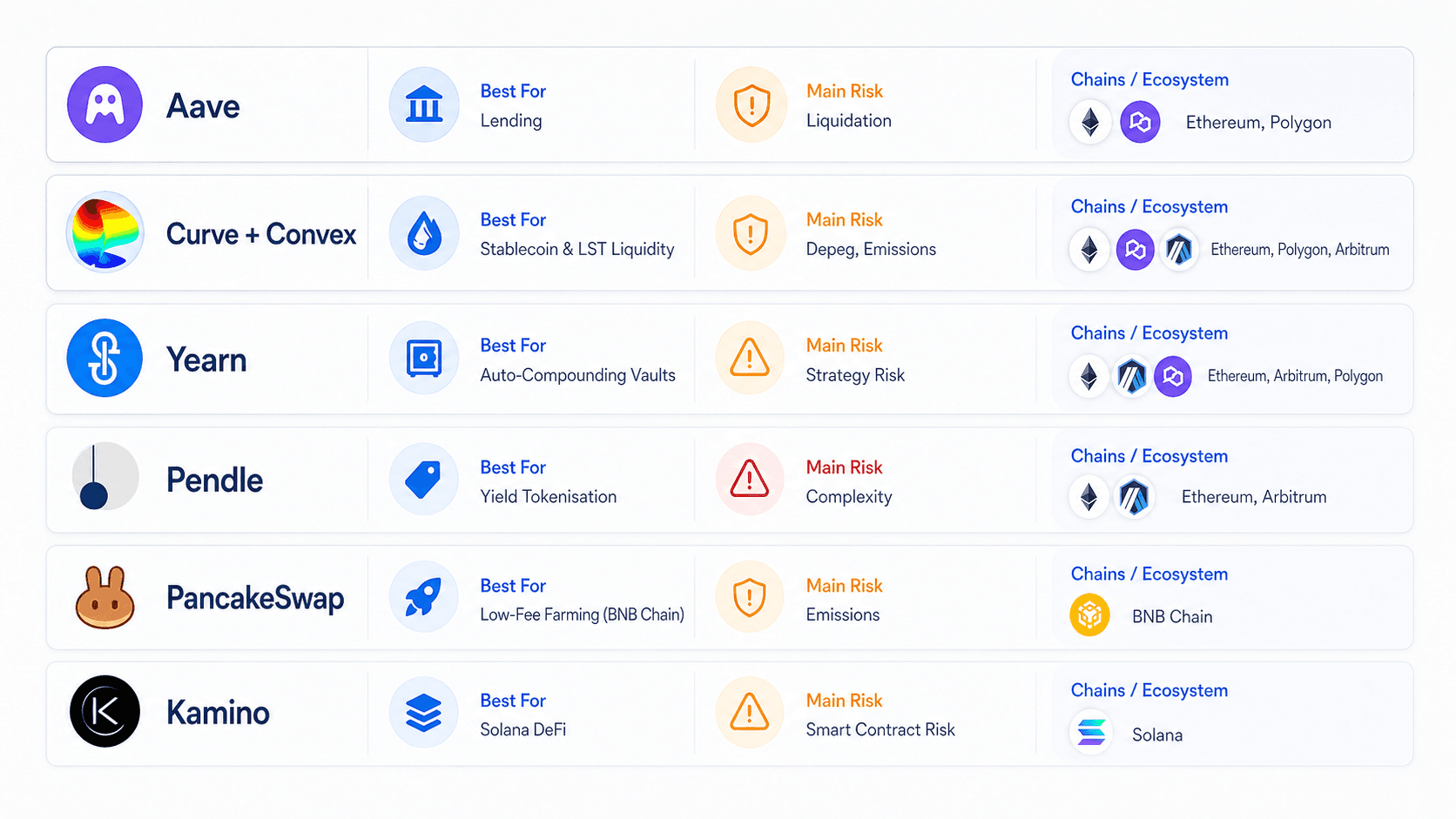
Top 10 Yield Platforms: A Deep Dive
Choosing the right Solana DeFi platform depends on your risk tolerance and investment goals. Here’s a look at ten of the top contenders for maximizing yield in 2026, as of early 2026. Keep in mind these APYs are constantly fluctuating, and past performance is not indicative of future results.
Raydium is an AMM and yield farming platform that’s been a cornerstone of the Solana ecosystem. You can earn yield by providing liquidity to various trading pairs, with APYs typically ranging from 10% to 40%, depending on the pair and market conditions. Risk level: medium. Orca is another popular AMM, known for its user-friendly interface and focus on stablecoin swaps. APYs are generally lower than Raydium, around 5% to 20%, but the risk is also lower. Risk level: low to medium.
Marinade Finance is a liquid staking protocol that allows you to stake your SOL without locking it up. You receive mSOL in return, which can be used in other DeFi protocols. APYs are currently around 8% to 15%, but this fluctuates with network activity. Risk level: medium. Solend is a lending and borrowing protocol where you can earn interest by lending your assets or borrow assets by providing collateral. APYs on lending range from 5% to 25%, while borrowing rates vary. Risk level: medium to high.
Tulip Protocol is a yield aggregator that automatically optimizes your yield farming strategies across multiple platforms. This can save you time and potentially increase your returns. APYs vary widely depending on the underlying strategies, ranging from 20% to 60%. Risk level: medium to high. Francium offers leveraged yield farming, allowing you to amplify your returns – and your risks – by borrowing additional assets. APYs can be very high, exceeding 100%, but liquidation risk is also significant. Risk level: high.
Saber specializes in stablecoin AMMs, providing low-slippage trading and yield opportunities. APYs are typically modest, around 3% to 10%, but the risk is relatively low. Risk level: low. Drift Protocol is a decentralized exchange for perpetual swaps and lending. It’s a more complex platform, but it offers the potential for high returns. APYs vary depending on market conditions and trading activity. Risk level: high.
Kamino Finance focuses on concentrated liquidity, allowing liquidity providers to earn higher fees with less capital. This is a relatively new approach to AMMs, and it’s gaining traction. APYs are competitive, ranging from 15% to 35%. Risk level: medium. Quarry Protocol is a liquidity mining platform that rewards users for providing liquidity to specific pools. APYs can be very attractive, but they often come with shorter lock-up periods and higher risk. Risk level: medium to high.
Finally, Jito is a liquid staking protocol that aims to improve validator performance and rewards. It offers similar benefits to Marinade Finance, with competitive APYs around 9% to 16%. Risk level: medium. What makes these platforms interesting isn’t just the potential APY, but the innovation they bring to the Solana ecosystem. Each one is tackling different challenges and offering unique solutions.
Raydium & Orca: The Liquidity Powerhouses
Raydium and Orca are the two dominant Automated Market Makers (AMMs) on Solana, and they both play a crucial role in providing liquidity for the ecosystem. While they share the same core function – enabling decentralized trading – they approach it in slightly different ways.
Raydium, built on the Serum order book, historically focused on more advanced trading features and attracting professional market makers. It’s evolved to become more user-friendly, but still offers a wider range of trading pairs and more complex order types. Orca, on the other hand, has always prioritized simplicity and a smooth user experience. It’s a great choice for beginners and those who want a straightforward way to swap tokens.
In terms of fees, both platforms charge a small percentage per trade, but the actual fees paid can vary depending on the trading pair and network congestion. Slippage – the difference between the expected price and the actual price – is generally lower on Orca due to its optimized routing algorithms. Both platforms are actively working to address MEV (Miner Extractable Value), which can impact users by increasing slippage and gas costs. Orca has been particularly vocal about its efforts to mitigate MEV through features like swap prioritization.
- Raydium: Wider range of trading pairs, more complex order types, historically attracts more professional traders.
- Orca: Simpler user interface, optimized routing algorithms, lower slippage, strong focus on user experience.
Qualitative Comparison: Raydium vs. Orca (2026 Outlook)
| Liquidity Sources | Fee Structure | Trading Pair Variety | User Interface | MEV Protection |
|---|---|---|---|---|
| Raydium | Moderate | Moderate | High | Complex |
| Orca | Moderate | Low | Moderate | Simple |
Illustrative comparison based on the article research brief. Verify current pricing, limits, and product details in the official docs before relying on it.
Lending & Borrowing: Solend and Mango Markets
Solend and Mango Markets are the leading lending and borrowing protocols on Solana, allowing users to earn interest on their deposited assets and borrow assets against their collateral. They both operate on the principle of over-collateralization, meaning you need to deposit more value in collateral than you borrow.
Solend is known for its streamlined interface and support for a wide range of assets. It offers both variable and fixed interest rates, giving users more control over their borrowing costs. Mango Markets, on the other hand, is more complex and offers features like margin trading and perpetual futures. It’s geared towards more experienced DeFi users.
One of the biggest risks in lending and borrowing is liquidation. If the value of your collateral falls below a certain threshold, your position will be liquidated to repay the loan. Both Solend and Mango Markets have risk management mechanisms in place to prevent mass liquidations, but it’s still important to monitor your positions closely. The difference between over-collateralized (Solend, most lending protocols) and under-collateralized lending is significant; the latter carries substantially higher risk.
Staking & Liquid Staking: Marinade Finance & Jito
Staking on Solana involves locking up your SOL tokens to help secure the network and earn rewards. Traditionally, this meant your SOL was inaccessible for other DeFi activities. Marinade Finance and Jito have revolutionized staking by introducing liquid staking.
Liquid staking allows you to stake your SOL and receive a tokenized representation of your staked SOL (mSOL for Marinade, jSOL for Jito) in return. This token can then be used in other DeFi protocols, giving you access to additional yield opportunities. This composability is a major benefit of liquid staking.
However, liquid staking isn’t without risks. Smart contract vulnerabilities are a concern, as with any DeFi protocol. Additionally, there’s the risk of slashing – a penalty imposed on validators who misbehave. Marinade and Jito mitigate this risk by diversifying across a large number of validators. A key concern remains validator centralization; it’s important to monitor how these platforms are addressing this issue to ensure the long-term health of the Solana network.
- Marinade Finance: Established liquid staking protocol, large validator set, well-audited smart contracts.
- Jito: Focuses on validator performance and rewards, aims to optimize staking yields.
Derivatives & Perpetual Swaps: Drift Protocol & Tensor
Drift Protocol and Tensor are bringing decentralized derivatives trading to Solana. Perpetual swaps, in particular, are gaining popularity, allowing users to trade with leverage and speculate on the price of various assets without actually owning them.
Drift Protocol is a decentralized exchange specifically designed for perpetual swaps. It offers a range of features, including margin trading, limit orders, and a sophisticated risk management system. Tensor, on the other hand, is a more comprehensive platform that combines perpetual swaps with other DeFi services.
Trading derivatives carries significant risks, including liquidation and volatility. Leverage can amplify your gains, but it can also amplify your losses. It’s crucial to understand these risks before trading derivatives on any platform. These platforms are actively competing with centralized exchanges by offering lower fees, greater transparency, and non-custodial control of funds.
Emerging Platforms: Kamino Finance & Francium
Kamino Finance and Francium are two emerging platforms that are worth keeping an eye on in 2026. Kamino Finance is focused on concentrated liquidity, a technique that allows liquidity providers to earn higher fees with less capital. It’s a relatively new approach, but it’s gaining traction among yield farmers.
Francium, as mentioned earlier, is a leveraged yield farming platform. It’s riskier than other platforms, but it offers the potential for very high returns. Both Kamino Finance and Francium are actively innovating and adding new features to attract users and increase liquidity. These platforms are trying to solve issues of capital efficiency and risk management within the Solana DeFi ecosystem.
Featured Products

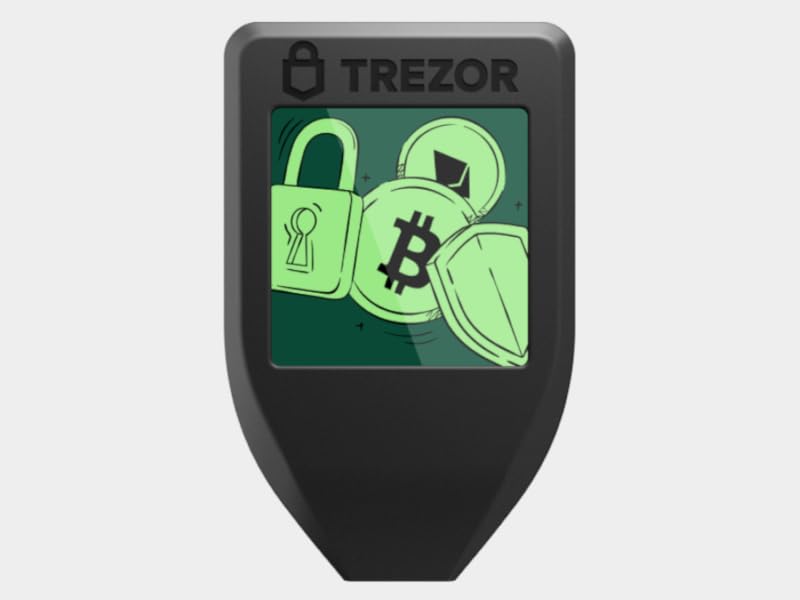
Securely manage crypto and NFTs · Accessible hardware wallet · Desktop and Android compatible
The Ledger Nano S Plus Signer is a great option for securely storing your digital assets, keeping your Solana DeFi investments safe.
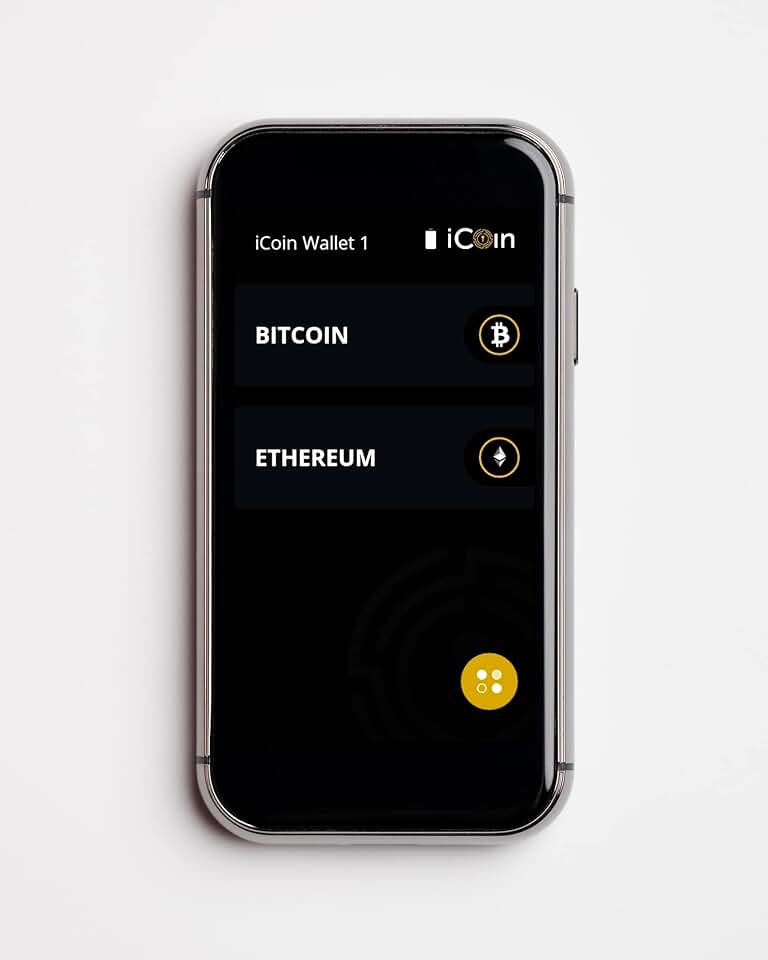
Secure hardware wallet · Touchscreen interface · Supports various cryptocurrencies and NFTs
The iCoin Hardware Wallet offers a user-friendly touchscreen and robust security to protect your Solana holdings.
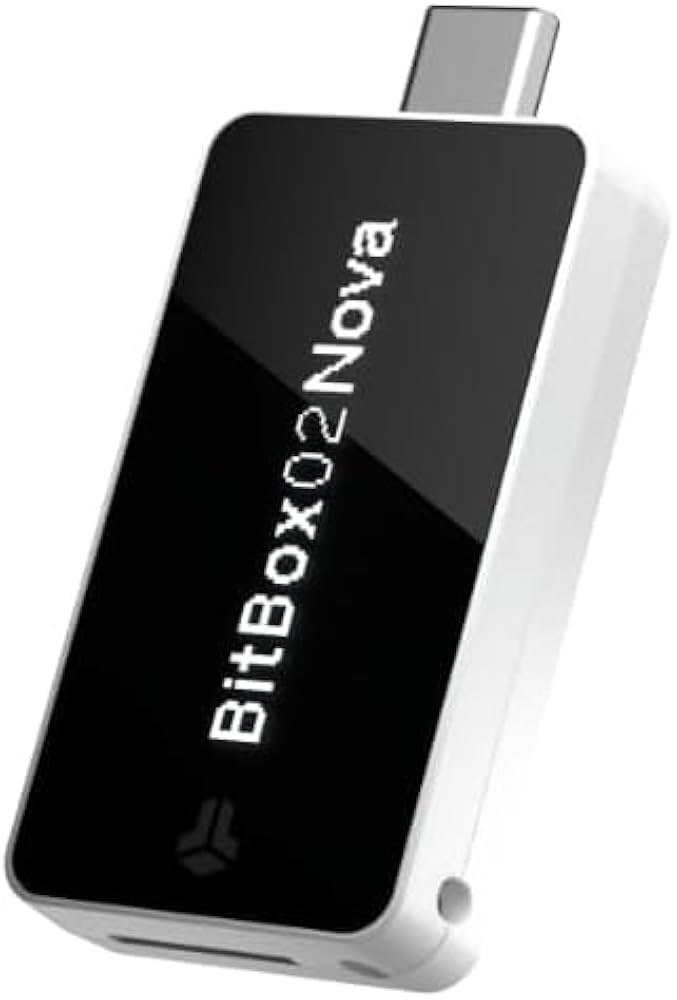
These hardware wallets are essential for securely storing the digital assets you'll be using with the top Solana DeFi platforms, ensuring your maximum yield is protected.
These hardware wallets are essential for securely storing the digital assets you'll be using with the top Solana DeFi platforms, ensuring your maximum yield is protected.
As an Amazon Associate I earn from qualifying purchases. Prices may vary.
Risk Management & Staying Safe
DeFi, even on a fast and affordable chain like Solana, is inherently risky. Protecting your funds should be your top priority. Start with a hardware wallet – a physical device that stores your private keys offline. This is the most secure way to protect your assets.
Diversify your portfolio. Don’t put all your eggs in one basket. Spread your investments across multiple platforms and asset classes. Understand the smart contract risks associated with each protocol you use. Look for platforms that have been audited by reputable security firms. Regularly monitor your positions and be aware of potential liquidation risks.
Never invest more than you can afford to lose. DeFi is a high-risk, high-reward environment. There’s always a chance you could lose your entire investment. Stay informed about the latest security threats and exploits. Follow reputable DeFi analysts and security researchers on social media. Resources like Solana Compass and various audit reports are invaluable.
- Hardware Wallet: Essential for secure key storage.
- Diversification: Spread your risk across multiple platforms.
- Smart Contract Audits: Look for platforms with verified security audits.
- Position Monitoring: Track your investments and be aware of liquidation risks.
No comments yet. Be the first to share your thoughts!