
Solana market share from 2024 to 2026
Solana NFT volume surged in 2023 and has since leveled off into a steady market. Magic Eden held a 70% share through most of 2024, but Tensor's rise in early 2025 changed the math. Magic Eden now sits at roughly 55% of the volume, while Tensor has climbed to 35%. Solanart and smaller players pick up the rest.
This shift isn’t simply about numbers; it’s about evolving user preferences. Magic Eden built its reputation on accessibility and a wide selection, becoming the go-to platform for many first-time NFT buyers. Tensor, on the other hand, entered the scene with a clear focus on professional traders and advanced functionality. Projections for 2026 are complex, heavily reliant on Solana's network performance and overall market sentiment. It’s unlikely either platform will achieve complete dominance.
Predicting the future in this space is inherently difficult. The NFT market is notoriously volatile, susceptible to hype cycles and rapid changes in trends. A resurgence of meme coins, a major technological breakthrough, or even a shift in regulatory policy could dramatically alter the competitive landscape. Therefore, my assessment leans toward a continued duopoly, with Magic Eden and Tensor carving out distinct niches within the Solana NFT ecosystem. We can expect to see continued innovation from both sides as they fight for market share.
How Tensor grew by targeting pros
Tensor’s rise is directly attributable to its deliberate strategy of targeting professional NFT traders. Unlike Magic Eden’s broad appeal, Tensor positioned itself as a platform equipped with the tools and features that serious traders demand. This includes a fully-featured order book, advanced charting capabilities powered by TradingView integration, and real-time market data. They aren’t trying to be everything to everyone; they’re focused on a specific segment.
TensorTrade changed the game by adding limit orders and stop-losses—tools that were missing from Solana marketplaces for years. This brought in the 'pro' crowd from traditional finance. Tensor also pays liquidity providers to keep the market deep and spreads tight.
Beyond the trading tools, Tensor has been proactive in building relationships with influential traders and NFT projects. They’ve hosted exclusive drops and partnered with key opinion leaders to amplify their reach. This isn’t just about attracting users; it’s about cultivating a community of dedicated, high-volume traders. The ambition is clear: to become the definitive platform for serious NFT trading on Solana. Their focus on analytics and data provides a level of insight that most other Solana marketplaces lack.
- Limit and stop-loss orders for precise entries
- TradingView Integration: Professional-grade charting and analysis.
- Liquidity Incentives: Attracting market makers and ensuring tight spreads.
- Exclusive Drops: Partnering with popular NFT projects.
Magic Eden’s Evolution: Beyond Launchpads
Magic Eden has not stood still in the face of Tensor’s challenge. Recognizing the need to evolve, they’ve begun adding more advanced trading features to their platform. This includes the introduction of order books, though they haven’t yet reached the same level of sophistication as Tensor’s implementation. They’ve also invested in improving their analytics tools, providing users with more data-driven insights.
Historically, Magic Eden’s strength has been in launchpads. They’ve consistently hosted successful NFT mints, attracting a large and engaged community. This remains a significant differentiator, as launchpads are a critical component of the Solana NFT ecosystem. They continue to focus on community engagement, hosting events and fostering a sense of belonging among their users.
The question remains whether Magic Eden’s broad appeal is a strength or a weakness. While they can attract a larger user base, they may struggle to compete with Tensor on the specialized needs of professional traders. Their response has been to try to do both, adding advanced features while maintaining their user-friendly interface. It's a balancing act, and the success of this strategy will determine their long-term viability.
Comparing the user experience
Magic Eden generally offers a more streamlined and intuitive user experience, particularly for beginners. The interface is clean and uncluttered, making it easy to browse collections, list NFTs, and make purchases. The mobile experience is also well-developed, allowing users to trade on the go. Customer support, while sometimes slow to respond, is generally helpful and responsive.
Tensor, in contrast, has a steeper learning curve. The interface is more complex, reflecting its focus on advanced trading features. While this complexity can be overwhelming for new users, it’s appreciated by experienced traders who need access to sophisticated tools. The mobile experience is less polished than Magic Eden’s, and customer support can be difficult to reach. However, Tensor's charting and order book functionality is far superior.
Specifically, Magic Eden’s "Launchpad" section is incredibly easy to navigate, with clear information about upcoming mints. Tensor requires more digging to find equivalent opportunities. Conversely, placing a limit order on Tensor is a straightforward process, while Magic Eden's implementation feels clunkier. The choice ultimately depends on the user's experience level and trading style.
UX Comparison: Magic Eden vs Tensor
| Feature | Magic Eden | Tensor |
|---|---|---|
| Navigation | Good. Generally intuitive, with clear categories and a prominent search bar. Easy to browse popular collections. | Okay. Navigation can feel slightly cluttered, with a focus on data-rich displays. Requires some familiarization. |
| Search | Good. Robust search functionality allowing filtering by collection, price, and traits. Results are displayed quickly. | Good. Advanced search filters, including sales history and rarity rankings, provide detailed results, but can be overwhelming for new users. |
| Listing | Good. Straightforward listing process with clear fee displays. Supports various listing options. | Okay. Listing process is more data-intensive, requiring more information upfront. Can be beneficial for advanced sellers but complex for beginners. |
| Buying | Good. Simple and fast buying process. Supports multiple purchase options. | Okay. Buying experience is integrated with advanced analytics, potentially distracting for casual buyers. Requires careful review of data. |
| Wallet Connection | Good. Supports a wide range of Solana wallets with a seamless connection process. | Good. Compatible with most popular Solana wallets, connection is generally reliable. |
| Support | Okay. Offers basic FAQ and help center resources. Community support is available through Discord. | Okay. Offers documentation and a Discord community. Support responsiveness can vary. |
Illustrative comparison based on the article research brief. Verify current pricing, limits, and product details in the official docs before relying on it.
Fees and Transaction Costs
Fees are a critical consideration for any NFT trader. Magic Eden currently charges a 2% trading fee, while creator fees are variable, set by the individual project. Tensor also charges a 2% trading fee, but they allow creators to set fees up to 10%. This flexibility can be attractive to creators who want to maximize their revenue.
However, it’s important to consider the overall cost of transactions, including Solana network fees (gas). These fees can fluctuate significantly depending on network congestion. During peak times, gas fees can add a substantial amount to the cost of a trade. Both platforms display estimated gas fees before a transaction is confirmed.
There aren't significant hidden costs on either platform, but users should be aware of potential slippage when trading less liquid NFTs. Slippage is the difference between the expected price of a trade and the actual price, and it can eat into profits. Tensor's deeper liquidity generally results in lower slippage for popular collections.
Community and Creator Support
Magic Eden has cultivated a strong community through its launchpads and social media presence. They actively engage with creators, providing marketing support and promotional opportunities. Their launchpad program is particularly attractive to projects looking to gain exposure and build a following. They also offer tools to help creators manage their communities and engage with their fans.
Tensor is building its community more slowly, focusing on attracting high-profile creators and projects. They offer similar launchpad services, but their emphasis is on quality over quantity. They’re actively seeking to partner with established NFT artists and collections, positioning themselves as a platform for premium content. They also provide data analytics to creators, helping them understand their audience and optimize their strategies.
Both platforms have creator dashboards. Magic Eden wins on support simply because its audience is larger. The Solana community lives on X and Discord, which acts as a secondary support layer for anyone launching a project.
- Launchpad access for new mints
- Tensor Creator Analytics: Data-driven insights for NFT creators.
- Social Media Engagement: Both platforms use Twitter and Discord to connect with communities.
Essential Tools for Solana NFT Trading in 2026

Securely manage your cryptocurrency and NFTs · Compatible with desktop and Android devices · Matte black finish
The Ledger Nano S Plus Signer provides essential security for managing digital assets, crucial for any serious NFT trader.

Comprehensive guide to Binance exchange · Covers beginner to advanced trading strategies · Step-by-step instructions
This guide offers a foundational understanding of a major cryptocurrency exchange, relevant for users engaging with the broader crypto market.
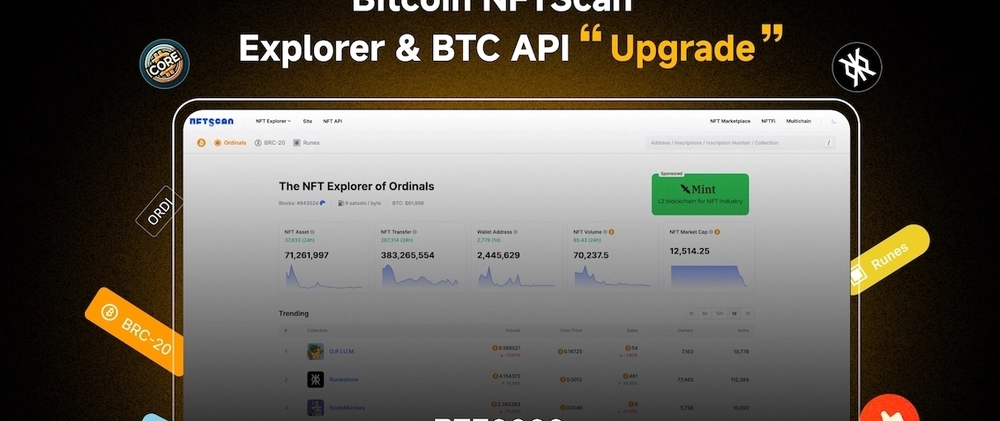
Comprehensive NFT data and analytics · Supports multiple blockchains including Solana · Provides market trends and transaction history
NFTScan is an indispensable tool for in-depth analysis of Solana NFTs, offering insights vital for comparing marketplace performance.
Leading NFT marketplace on Solana · Wide selection of NFTs · User-friendly interface
Magic Eden is a dominant force in the Solana NFT space, serving as a primary platform for discovery and trading.
High-volume NFT marketplace on Solana · Focus on creator royalties · Advanced trading features
Tensor is a key competitor in the Solana NFT ecosystem, offering distinct features and a significant trading volume.
As an Amazon Associate I earn from qualifying purchases. Prices may vary.
The Role of Solana’s Network Effects
The overall health of the Solana blockchain is inextricably linked to the success of these marketplaces. Network congestion and high gas fees can significantly impact trading volume and user experience. Solana has faced periods of instability, with outages and slow transaction speeds, which have understandably frustrated users. These issues directly affect both Magic Eden and Tensor.
Both platforms are actively working to mitigate the impact of network congestion. Tensor, with its focus on professional traders, is more sensitive to latency and transaction times. They’ve invested in infrastructure improvements to optimize their platform for Solana’s network. Magic Eden, with its broader user base, is more resilient to temporary outages, but still suffers when the network is overloaded.
As Solana continues to scale and improve its performance, it will create a more favorable environment for NFT marketplaces. The success of these platforms is dependent on Solana’s ability to deliver fast, reliable, and affordable transactions. I’m not sure about the long-term impact of Solana’s ongoing development, but it's a crucial factor to watch.
No comments yet. Be the first to share your thoughts!