
Solana Bots: A 2026 Snapshot
The world of cryptocurrency trading is rapidly evolving, and Solana is at the forefront. In 2026, we’re seeing a surge in the use of trading bots designed to capitalize on the blockchain’s speed and efficiency. These aren’t new tools, but their accessibility and sophistication have increased dramatically. They range from simple arbitrage bots to complex systems designed to extract Miner Extractable Value (MEV).
At their core, Solana trading bots are automated programs that execute trades based on pre-defined rules. Arbitrage bots seek to profit from price differences of the same asset across different exchanges. MEV bots, on the other hand, aim to capture value by reordering, including, or excluding transactions within a block. A key reason for this growth on Solana specifically is its high transaction throughput and low fees, making automated trading more viable.
It’s important to understand that Solana trading bots are not a guaranteed path to profit. They require careful configuration, monitoring, and a solid understanding of the underlying market dynamics. There are risks involved, including potential losses due to market volatility, unexpected transaction failures, and the possibility of bot malfunctions. These are tools for experienced traders who are comfortable with the technical complexities and inherent risks.
Arbitrage Opportunities on Solana
Arbitrage is the practice of exploiting price differences for the same asset across different markets. On Solana, these "markets" are primarily Decentralized Exchanges, or DEXs, like Raydium, Orca, and Marinade. Price discrepancies occur for a variety of reasons, including differing liquidity, order flow imbalances, and temporary inefficiencies in market pricing.
The speed of Solana is absolutely critical for successful arbitrage. A price difference can disappear in seconds, so bots need to be able to identify opportunities, execute trades, and settle transactions incredibly quickly. Transaction costs, even on Solana, can eat into profits, so bots must factor these into their calculations. Slippage – the difference between the expected price of a trade and the actual price – is another significant consideration.
Common arbitrage strategies on Solana include triangular arbitrage (exploiting price differences between three different tokens) and cross-DEX arbitrage (buying on one DEX and selling on another). The high volume Merunas Grincalaitis noted in a Medium post from August 2025 is a major draw for arbitrageurs. However, competition is fierce, and simply having a bot isn't enough. Optimizing for speed, minimizing gas fees, and employing sophisticated algorithms are essential for profitability.
The Solana blockchain is particularly attractive for arbitrage due to its ability to handle a high number of transactions per second. This allows bots to quickly execute trades and capitalize on fleeting price differences. However, front-running – where a bot detects a pending transaction and executes its own trade ahead of it – is a constant concern, and something arbitrage bots must attempt to mitigate.
MEV and the Solana Landscape
MEV, or Miner Extractable Value (though on Solana it’s more accurately called Maximal Extractable Value), refers to the profit that can be made by strategically including, excluding, or reordering transactions within a block. On proof-of-stake blockchains like Solana, this value is extracted by validators rather than miners, but the principle remains the same. MEV opportunities can include front-running, liquidations, and sandwich attacks.
On Solana, MEV extraction is becoming increasingly sophisticated. Bots actively scan the mempool (the pool of pending transactions) for profitable opportunities. They might, for example, identify a large trade that is likely to move the price of an asset and then execute their own trade just before it, profiting from the anticipated price change. This can be detrimental to regular traders who might receive a worse price than expected.
There are ethical considerations surrounding MEV. While some argue it’s a natural part of blockchain economics, others view it as a form of exploitation that harms ordinary users. As MEV strategies become more complex, they also pose increased risks. Failed MEV attempts can lead to transaction failures and lost capital. SolanaMevBot.com offers tools aimed at capturing MEV, but even these come with inherent risks.
The rise of MEV has led to the development of MEV protection tools, which aim to mitigate the negative impact on traders. These tools often involve techniques like transaction privacy and order splitting. The ongoing arms race between MEV extractors and MEV protectors is a defining feature of the Solana ecosystem.
Top Solana Trading Bots (2026)
The Solana bot landscape is competitive, with new projects emerging frequently. Here’s a look at some of the notable options available as of late 2025/early 2026. It’s important to remember that performance can vary significantly based on market conditions and individual configurations. This isn't a definitive ranking, but rather a selection of bots with distinct strengths.
SolaMEVBot: This bot, available at solanamevbot.com, focuses specifically on MEV extraction. It’s designed to identify and capture profitable MEV opportunities on Solana, but requires significant technical expertise to configure and operate effectively. It's geared toward experienced traders comfortable with the complexities of MEV.
BonkBot: While initially known for its association with the Bonk token, BonkBot has evolved into a more versatile trading bot supporting multiple Solana DEXs. It offers both arbitrage and MEV strategies and is known for its relatively user-friendly interface. However, its performance can be heavily influenced by Bonk token volatility.
Raydium Arbitrage Bot: As the name suggests, this bot specializes in arbitrage opportunities on the Raydium DEX. It’s often favored by traders who want a focused solution for a specific exchange. It’s generally considered reliable but may lack the flexibility of more comprehensive bots.
Orca Trader: This bot integrates directly with the Orca DEX and provides automated trading strategies tailored to Orca’s liquidity pools. It’s known for its simplicity and ease of use, making it a good option for beginners. However, its limited scope may not appeal to experienced traders.
Hydra: A more advanced option, Hydra allows for the creation of custom trading strategies using a visual programming interface. This gives users a high degree of control over their bots, but also requires a significant time investment to learn and configure. It supports multiple Solana DEXs and offers robust backtesting capabilities.
Mango Markets Bot: While primarily a lending and borrowing platform, Mango Markets also offers a bot that can automate trading strategies based on margin positions. This is a more specialized bot suited for traders who are comfortable with leveraged trading.
Featured Products

Comprehensive training bundle · Focuses on physical and digital product arbitrage · Ideal for online business newcomers
This free resource provides foundational knowledge for arbitrage, a key strategy for automated trading.
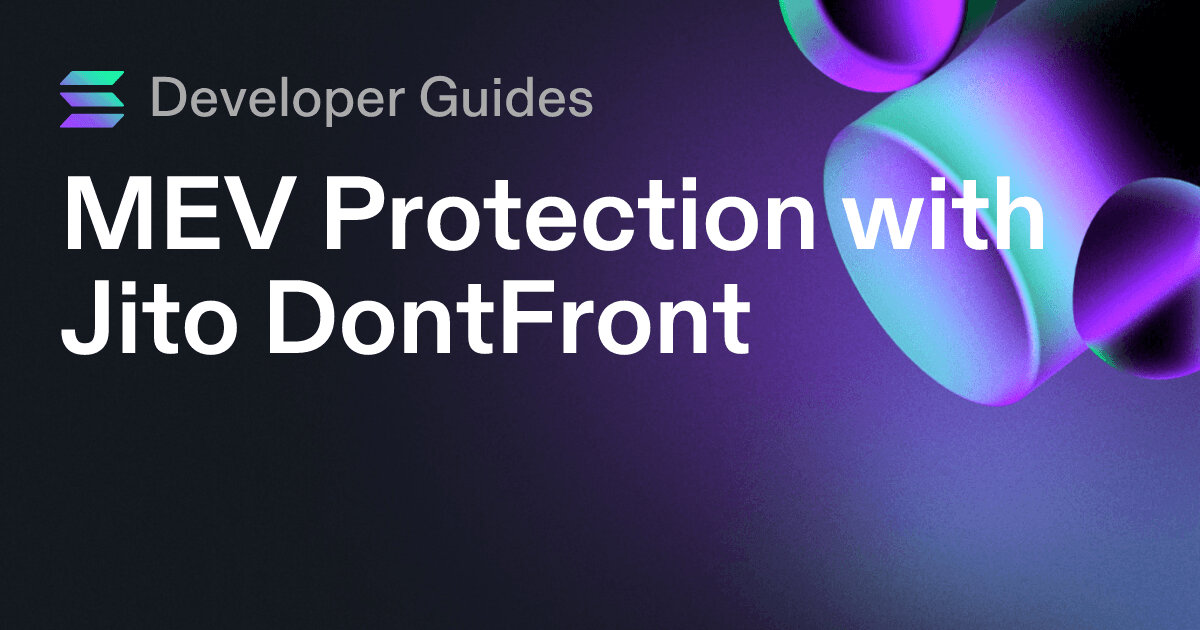
Real-time MEV protection · Automated arbitrage execution · Solana-specific optimizations
This tool is essential for Solana traders looking to safeguard against MEV and capitalize on arbitrage opportunities.

Develop efficient trading robots · Learn algorithmic trading strategies · Unlock more personal time
This guide is perfect for beginners aiming to build their own automated trading systems and become proficient algo-traders.
Automated DeFi trading on Solana · Smart contract interaction · Portfolio management
This bot enables automated participation in the Solana DeFi ecosystem, streamlining trading and investment.

Practical guide to HFT · Algorithmic strategies · Trading systems development
This book offers deep insights into high-frequency trading, crucial for advanced automated strategies in competitive markets.
As an Amazon Associate I earn from qualifying purchases. Prices may vary.
Bot Features to Prioritize
Choosing the right Solana trading bot requires careful consideration of its features. Don’t just look for the bot with the flashiest marketing; focus on the elements that will genuinely contribute to your trading success. Backtesting capabilities are essential. A good bot should allow you to test your strategies on historical data to assess their profitability and risk profile.
Risk management tools are equally important. Look for bots that offer features like stop-loss orders, take-profit orders, and position sizing controls. These tools help to limit your potential losses and protect your capital. The range of supported DEXs is another key factor. The more DEXs a bot supports, the more arbitrage opportunities it can identify.
Speed and latency are critical, especially for arbitrage. A bot needs to be able to execute trades quickly and efficiently to capitalize on fleeting price differences. Ease of use is also important, particularly for beginners. A complex bot with a steep learning curve can be frustrating and time-consuming to set up and operate. Finally, consider the level of community support available. A strong community can provide valuable assistance and insights.
Security Considerations & Risk Management
Using Solana trading bots introduces several security risks. Bots often require access to your wallet, so it’s crucial to choose a reputable bot provider with a strong security track record. Be wary of bots that ask for your private key. Smart contract vulnerabilities are another concern. Always review the bot’s code (if possible) and understand the risks involved.
Using a secure wallet is paramount. Consider using a hardware wallet to protect your private keys. Enable two-factor authentication on your exchange accounts and bot platforms. Diversify your trading strategies. Don’t put all your eggs in one basket. By spreading your risk across multiple strategies and assets, you can reduce your overall exposure.
Start with small amounts of capital. Don’t risk more than you can afford to lose. Gradually increase your position size as you gain confidence and experience. It’s also crucial to remember that no bot is foolproof. Market conditions can change rapidly, and even the best bots can experience losses. Never blindly trust a bot’s recommendations. Always monitor its performance and adjust your strategies accordingly.
Regularly review the bot's activity and transaction history. Understand what trades it's making and why. If you notice anything suspicious, immediately disable the bot and investigate. The YouTube video 'Beginners Guide To Solana Trading Bots in 2025' emphasizes that these bots aren't for everyone and require a level of understanding.
The Future of Solana Bots
The future of Solana trading bots is likely to be shaped by advancements in artificial intelligence and machine learning. We can expect to see bots that are capable of learning from market data and adapting their strategies in real-time. The sophistication of MEV strategies will also continue to increase, leading to a more complex and competitive landscape.
Regulation is another factor that could significantly impact the Solana bot space. As regulators become more aware of the risks and opportunities associated with automated trading, we may see new rules and guidelines emerge. The ongoing development of the Solana blockchain itself will also play a role. Improvements in transaction speeds and scalability could further enhance the viability of trading bots.
I anticipate a continued focus on MEV protection tools as traders seek to mitigate the negative impact of MEV extraction. The development of more sophisticated privacy-enhancing technologies could also help to level the playing field. Ultimately, the success of Solana trading bots will depend on their ability to adapt to the ever-changing market conditions and regulatory landscape.
No comments yet. Be the first to share your thoughts!