
Budget fit: picking Solana DeFi platforms that match your capital
Solana’s low fees mean you can deploy smaller amounts without eating profits in gas. This changes the math. On Ethereum, a $500 position might lose half its value to transaction costs. On Solana, that same trade costs fractions of a cent. The platform’s speed and low cost make it accessible for retail traders who can’t move institutional-sized capital.
However, "budget" doesn’t just mean low fees. It means finding platforms where your capital isn’t locked up unnecessarily. Many Solana DeFi projects require you to stake tokens to earn yields. If you need liquidity for daily trading, locking your assets in a staking pool defeats the purpose. Look for platforms that offer flexible staking or instant redemption options.
Evaluating platforms by choices that change the plan
When comparing Solana DeFi platforms, focus on three concrete factors: total value locked (TVL), user interface simplicity, and tokenomics.
1. Total Value Locked (TVL)
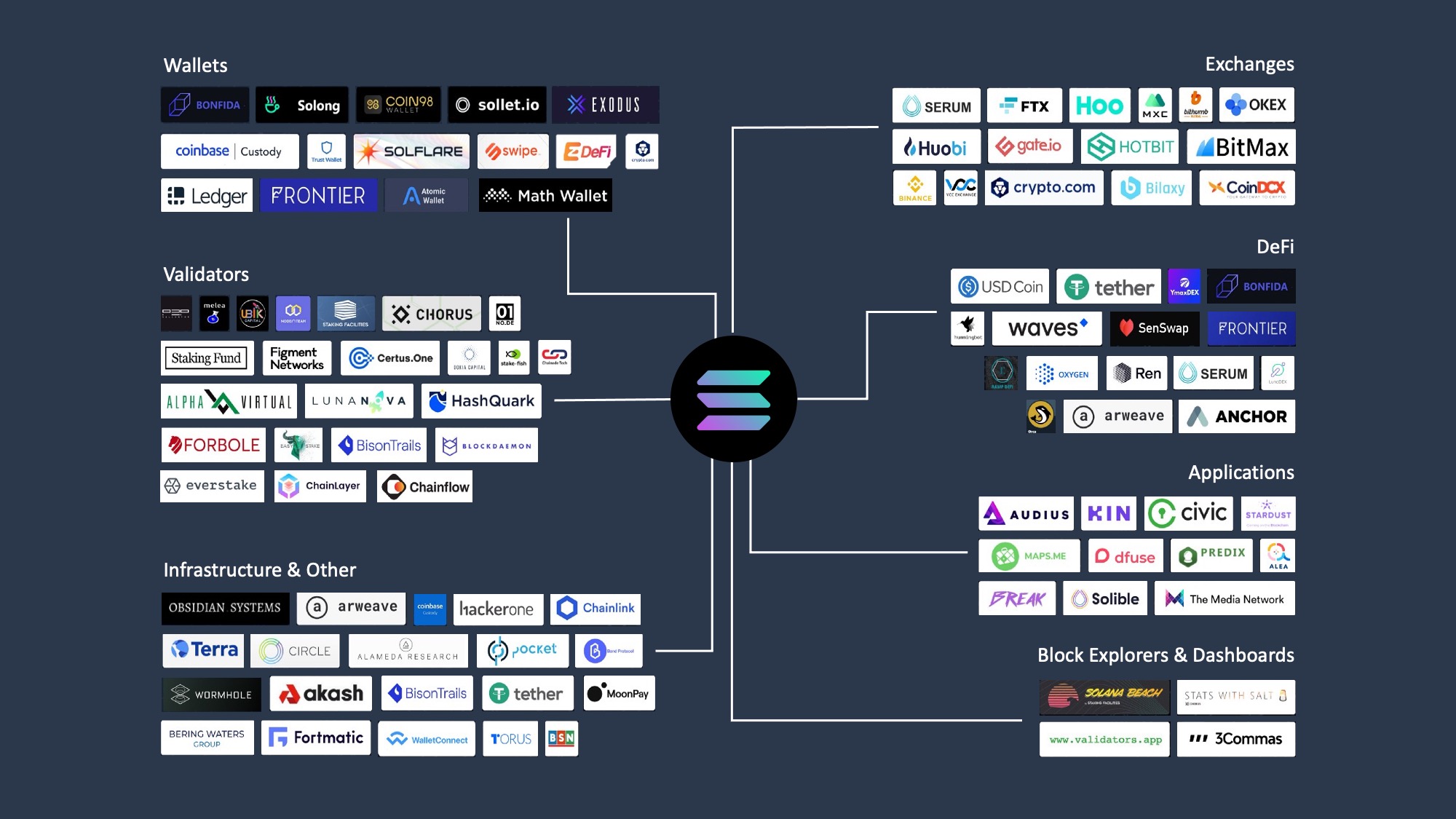
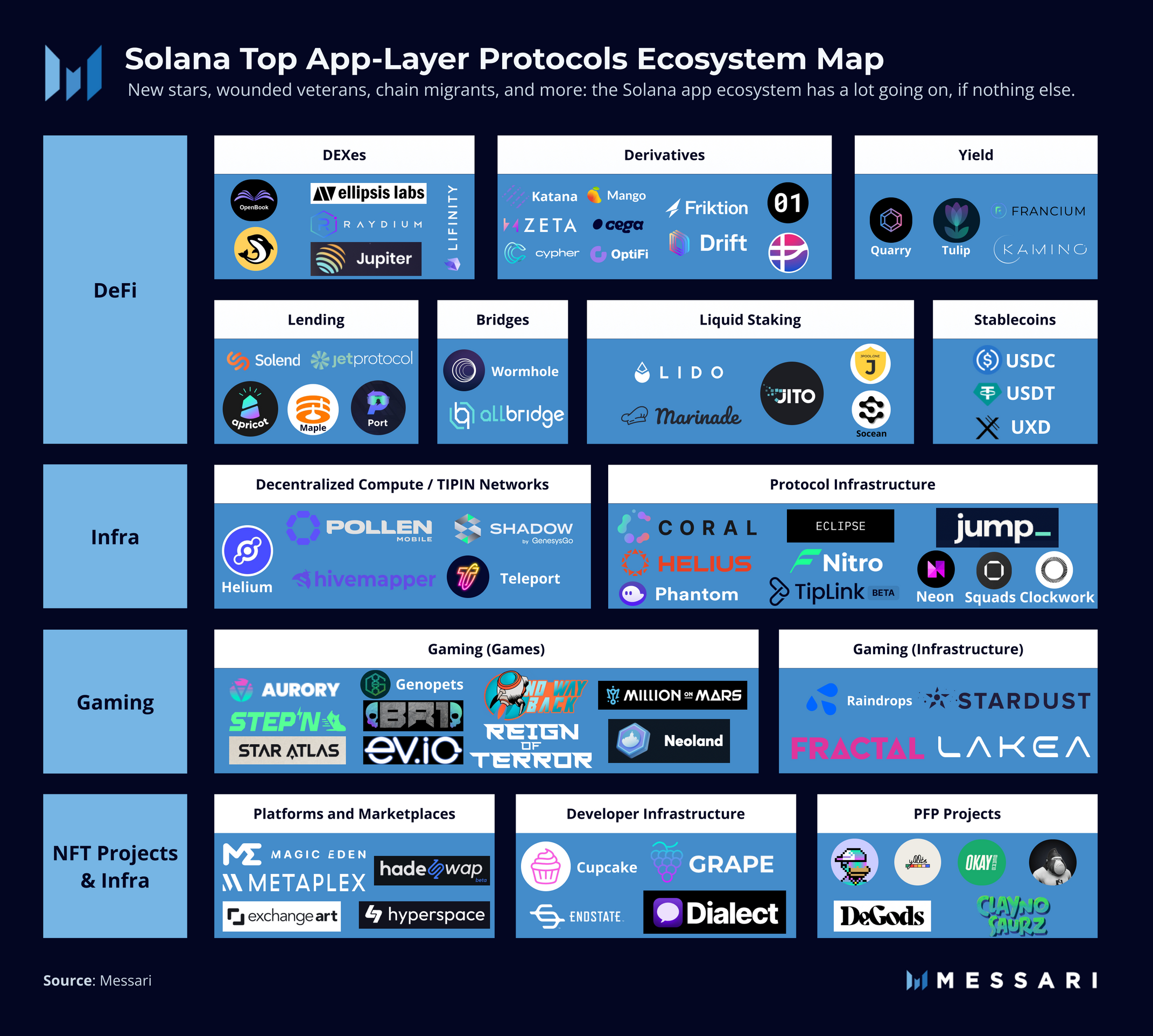
TVL indicates how much capital other users trust the platform with. Higher TVL generally means more liquidity and lower slippage for your trades. Kamino Finance, for example, holds $1.48 billion in TVL, making it the largest single DeFi protocol on Solana. This liquidity ensures you can enter and exit positions quickly, even with smaller amounts.
2. Interface Simplicity
Complex interfaces lead to mistakes. If a platform requires five clicks to swap a token, you’re more likely to make an error. Look for platforms with clean, intuitive dashboards. Jupiter, a major Solana DEX aggregator, offers a straightforward swap interface that minimizes the steps between decision and execution.
3. Tokenomics and Rewards
Some platforms reward users with native tokens. Evaluate whether these rewards are sustainable or if they’re designed to attract liquidity temporarily. Unsustainable token emissions can lead to rapid devaluation, hurting your long-term returns. Check the platform’s whitepaper or official documentation for details on token distribution and vesting schedules.
The Amazon angle: hardware for security
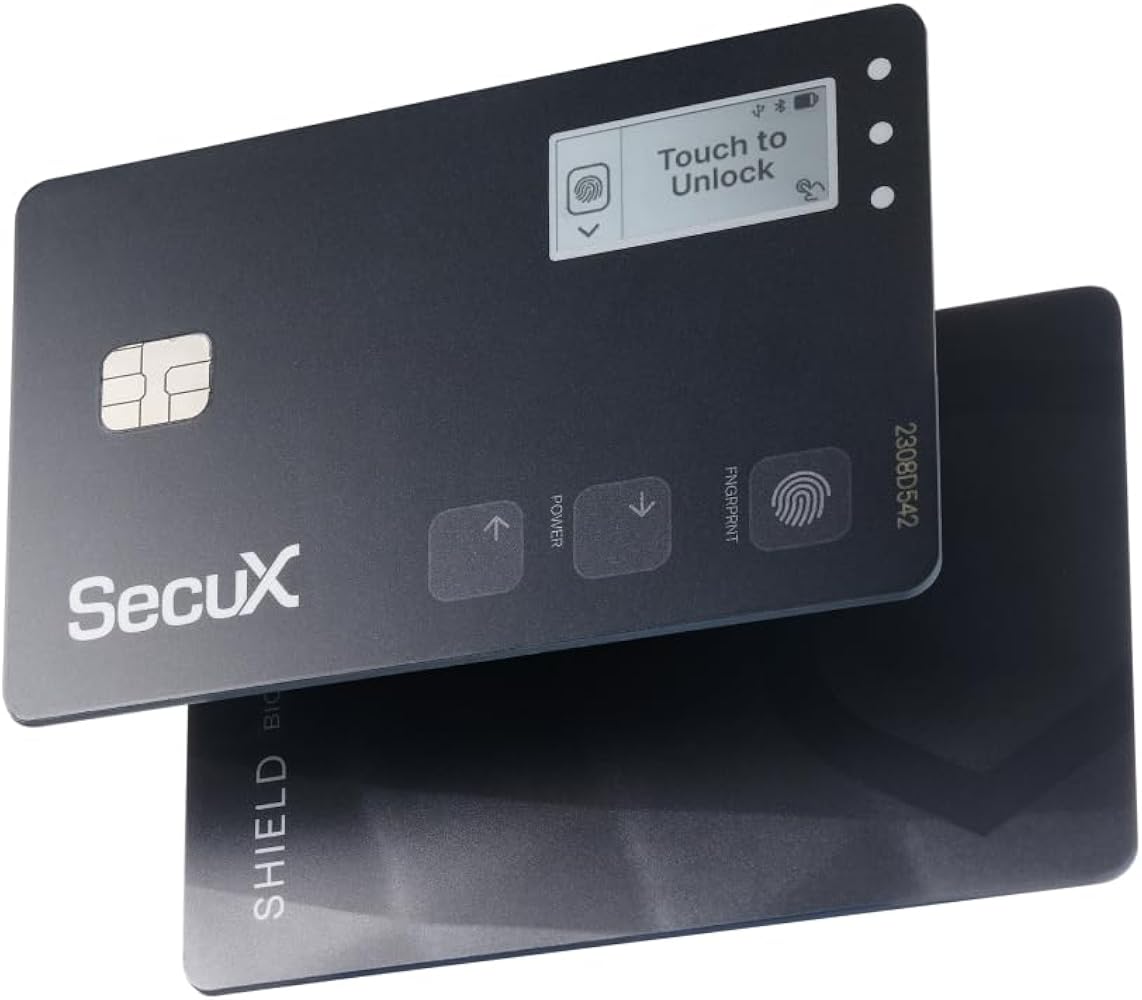
While you can’t buy DeFi platforms on Amazon, you can secure your assets. A hardware wallet like the Ledger Nano X or Trezor Model T provides an extra layer of protection. These devices store your private keys offline, making them immune to online hacks. Consider this a non-negotiable part of your budget. The cost of a hardware wallet is negligible compared to the potential loss from a compromised software wallet.
Final checklist before you choose
- Verify the platform’s TVL and liquidity depth.
- Test the interface with a small amount first.
- Read the tokenomics to understand reward sustainability.
- Secure your assets with a hardware wallet.
By focusing on these concrete factors, you can choose a Solana DeFi platform that fits your budget and risk tolerance. Avoid platforms that promise unrealistic returns or lack transparency. The best DeFi platforms on Solana are those that combine high liquidity, user-friendly interfaces, and sustainable tokenomics.
Shortlist real options
Solana Ecosystem works best as a clear sequence: define the constraint, compare the realistic options, test the tradeoff, and choose the path with the fewest hidden costs. That order keeps the advice usable instead of decorative. After each step, pause long enough to check whether the recommendation still fits the reader's actual situation. If it depends on perfect timing, unusual access, or a best-case budget, include a simpler fallback.
| Factor | What to check | Why it matters |
|---|---|---|
| Fit | Match the option to the primary use case. | A good deal still fails if it does not fit the job. |
| Condition | Verify age, wear, and service history. | Hidden condition issues erase upfront savings. |
| Cost | Compare purchase price with likely upkeep. | The cheapest option is not always the lowest-cost option. |
Inspect the expensive parts
Solana Ecosystem works best as a clear sequence: define the constraint, compare the realistic options, test the tradeoff, and choose the path with the fewest hidden costs. That order keeps the advice usable instead of decorative. After each step, pause long enough to check whether the recommendation still fits the reader's actual situation. If it depends on perfect timing, unusual access, or a best-case budget, include a simpler fallback.
Plan for ownership costs
The headline fee on Solana DeFi platforms is often fractions of a cent, but that is only the transaction cost. The real ownership cost is the "slippage tax" and the opportunity cost of capital tied up in maintenance. When you move from a simple swap to providing liquidity or lending, you are no longer just a user; you are a market maker or a bank. This shift introduces hidden costs that can erode gains faster than gas fees ever could.
The Liquidity Trap
Providing liquidity (LP) on platforms like Raydium or Orca sounds like free yield, but it carries impermanent loss. If the token you paired with SOL drops 50%, your portfolio value may still be lower than if you had just held the tokens. You are paying with your asset exposure for the trading fees. If you don’t actively rebalance or hedge, the "cost" of providing liquidity is the permanent reduction of your principal.
Maintenance and Security Overhead
Solana’s speed comes with a complexity tax. Managing positions across multiple protocols requires constant monitoring. A missed liquidation threshold on a lending platform like Kamino can result in the total loss of collateral. Additionally, smart contract risk is real. While Solana has improved stability, bugs in newer, smaller protocols can lead to exploits. The cost of ownership here is the time spent auditing code, using hardware wallets, and monitoring positions, or the financial risk of relying on third-party insurance.
When Cheap Stops Being Cheap
A platform with $0.01 fees is not cheaper than one with $0.10 fees if the latter offers better capital efficiency or insurance. Always calculate the total cost of carry. For most users, the "cheapest" option is the one that doesn’t result in a drained wallet or a 20% impermanent loss. Stick to protocols with audited code, high TVL, and a track record of surviving market volatility. The premium you pay for stability is often worth the insurance it provides.


As an Amazon Associate, we may earn from qualifying purchases.
Solana defi platforms: what to check next
Choosing a DeFi platform on Solana often comes down to balancing speed with security. The ecosystem has matured significantly, offering specialized tools for every financial need. Here are the most common practical questions readers ask before committing capital.
No comments yet. Be the first to share your thoughts!