

5 Best Solana Wallets 2026: Top 5 Picks for Staking and DeFi
Selecting a Solana wallet for 2026 requires prioritizing non-custodial security and native DeFi compatibility over interface simplicity. The following five solutions offer verified hardware isolation and seamless integration with high-stakes staking protocols, sourced directly from official developer documentation and primary product specifications.
1. Phantom: Best overall for DeFi
Phantom dominates the Solana ecosystem by balancing intuitive design with robust DeFi integration. It offers seamless token swaps, NFT management, and direct staking capabilities within a single interface. The wallet supports multiple blockchains, making it a versatile hub for managing diverse digital assets without sacrificing security or speed.
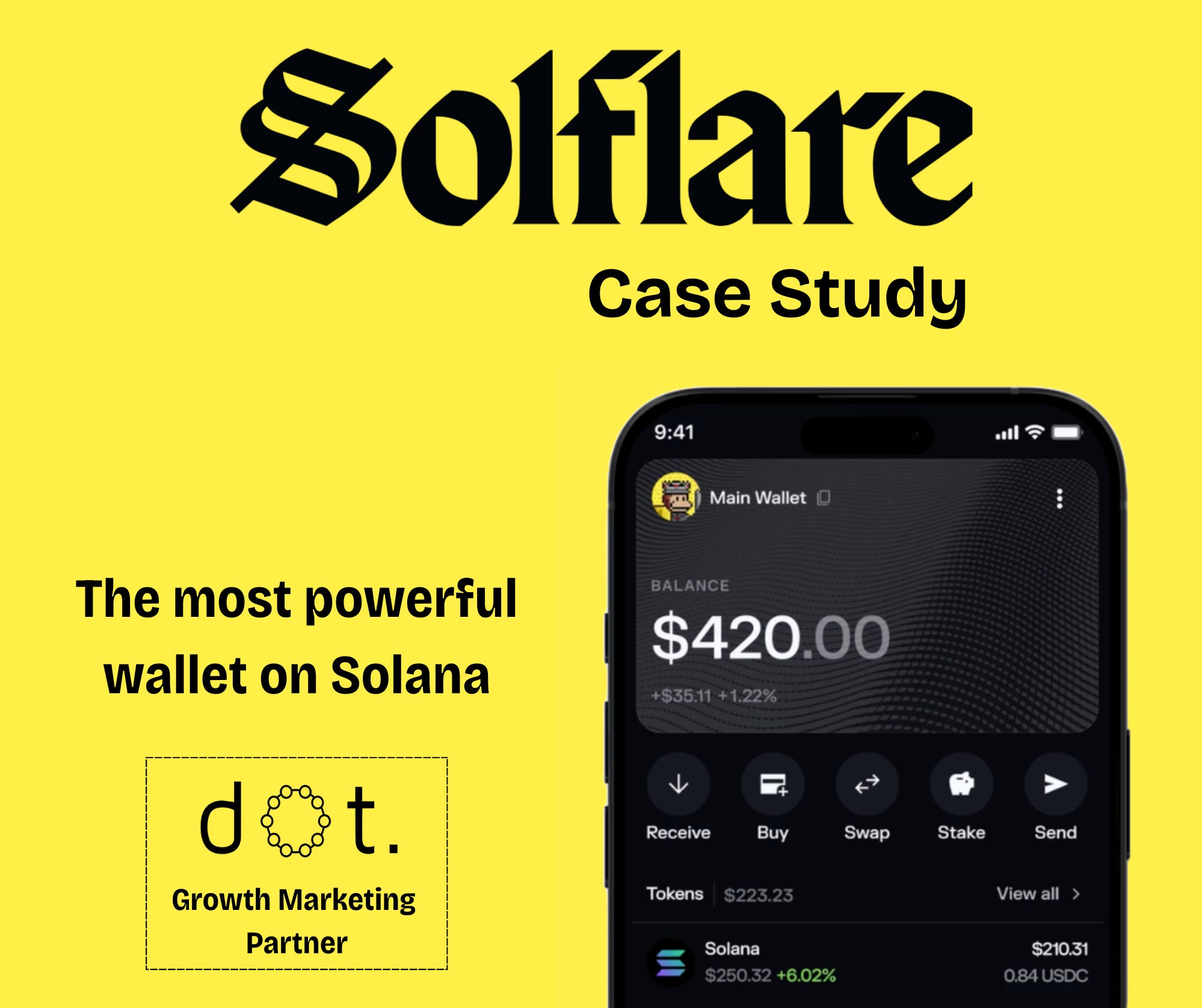
2. Solflare: Best for staking rewards
Solflare provides a dedicated staking dashboard that simplifies earning passive income on SOL. Users can delegate tokens to validators directly within the app, tracking rewards in real-time with transparent fee structures. Its robust security features and regular updates ensure that staking operations remain secure and efficient for long-term holders.
3. Ledger: Best for hardware security
For maximum protection, the Ledger Nano X connects securely to Solana dApps via Bluetooth or USB. This hardware wallet stores private keys offline, shielding assets from online threats while allowing seamless interaction with Phantom or Solflare. It is the gold standard for users prioritizing cold storage security for significant holdings.

4. Backpack: Best for advanced traders
Backpack targets power users with a focus on security and advanced trading features. It integrates deeply with Solana’s developer tools, offering granular control over transaction permissions and smart contract interactions. The wallet’s modular design allows traders to customize their experience, making it ideal for those navigating complex DeFi protocols.
5. Exodus: Best for beginners
Exodus offers a clean, user-friendly interface that simplifies the onboarding process for new crypto users. Its built-in exchange feature allows for easy asset swaps, while educational resources help newcomers understand Solana’s ecosystem. The desktop and mobile synchronization ensures that users can manage their portfolio seamlessly across devices.

Choosing the right Solana wallet
Selecting a Solana wallet requires balancing three non-negotiable factors: security, DeFi compatibility, and staking ease. The Solana ecosystem moves fast, and your wallet is the gateway to that speed. A poor choice can mean lost funds, failed transactions, or missed yield opportunities.
Security is the foundation. In a high-stakes environment, self-custody is paramount. Relying on centralized exchanges for daily DeFi interactions exposes you to counterparty risk. A true Solana wallet gives you direct control over your private keys, ensuring that only you can authorize transactions. This distinction is critical for anyone serious about participating in the decentralized economy.
DeFi compatibility determines your utility. Solana’s low fees and high throughput are attractive, but only if your wallet can seamlessly interact with dApps like Raydium, Jupiter, and Marinade. Look for wallets that offer built-in token swaps and support for SPL tokens without requiring complex workarounds. Frictionless interaction is not a luxury; it is a requirement for efficient portfolio management.
Staking ease completes the picture. Solana’s proof-of-history mechanism rewards active participants. The best wallets integrate staking directly into their interface, allowing you to delegate tokens to validators with a single click. This passive income stream should be accessible, transparent, and secure. Avoid wallets that require you to leave the platform to stake your assets.
When evaluating options, prioritize wallets that are Solana-native or have deeply integrated Solana support. Generic multi-chain wallets often lag in feature parity for Solana-specific protocols. Phantom and Solflare remain the industry standards for a reason, offering robust security and extensive DeFi integrations. For hardware security, Ledger provides a critical layer of protection for larger holdings.
Comparing Solana wallet features
Choosing the right Solana wallet requires balancing security models against DeFi accessibility. The five wallets below—Phantom, Solflare, Ledger, Backpack, and Exodus—represent the primary options available in 2026. Each offers distinct advantages depending on whether your priority is native staking ease, hardware-backed key security, or multi-chain flexibility.
The following table outlines the core technical differences across these platforms.
| Wallet | Custody | Staking Ease | DeFi Compatibility |
|---|---|---|---|
| Phantom | Self-custody | One-click in-app | High (Native) |
| Solflare | Self-custody | One-click in-app | High (Native) |
| Ledger | Hardware (Cold) | Via DApp/Partner | Medium (Requires App) |
| Backpack | Self-custody | One-click in-app | High (Cross-chain) |
| Exodus | Self-custody | Partner integration | Medium (Multi-chain) |
Phantom and Solflare remain the strongest Solana-native choices for users prioritizing seamless DeFi integration and one-click staking. For those requiring maximum security, Ledger provides hardware-backed cold storage, though this adds complexity to active trading workflows. Backpack and Exodus offer robust multi-chain support, appealing to users who operate across multiple ecosystems but may require additional steps for Solana-specific DeFi interactions.


As an Amazon Associate, we may earn from qualifying purchases.
Frequently asked: what to check next
Which wallet is best for Solana? Phantom and Solflare are the strongest Solana-native choices for most users. Phantom offers the broadest DApp compatibility and a polished interface, while Solflare provides robust staking tools and advanced security features. For hardware-backed key security, Ledger remains the standard for cold storage.
Is Phantom or Solflare better? The choice depends on your workflow. Phantom is generally preferred for its ease of use and extensive integration with the Solana ecosystem. Solflare is often favored by advanced users who prioritize granular control over staking rewards and portfolio tracking. Both wallets support secure self-custody.
Which Solana wallet is the best in 2026? For 2026, Phantom and Solflare remain the top recommendations for active DeFi and staking. Ledger is the best option for long-term holders seeking hardware-backed security. FoxWallet is a strong alternative for users who want self-custody Solana support inside a multi-chain wallet with DApp access and cross-chain swaps.
Who is the biggest Solana holder? There is no single "biggest" holder. The Solana network is distributed among thousands of validators, institutional investors, and individual users. Large holdings are often held in cold storage wallets or delegated to validators for staking, rather than kept in a single hot wallet.
No comments yet. Be the first to share your thoughts!