
Solana's growth in 2026
Solana is a primary hub for decentralized finance because it handles high transaction volume with fees that rarely exceed a few cents. While Ethereum gas fees often price out retail users, Solana remains accessible for smaller trades and frequent rebalancing.
As of late 2025, Solana boasts over $11 billion in total value locked (TVL) within its DeFi protocols, with an average daily volume exceeding $430 million and transaction fees hovering around $0.18. These numbers, according to solana.com, demonstrate significant traction. The growth isn’t just about cost, though. Solana's architecture allows for more complex financial instruments and faster execution, opening doors for innovative DeFi products.
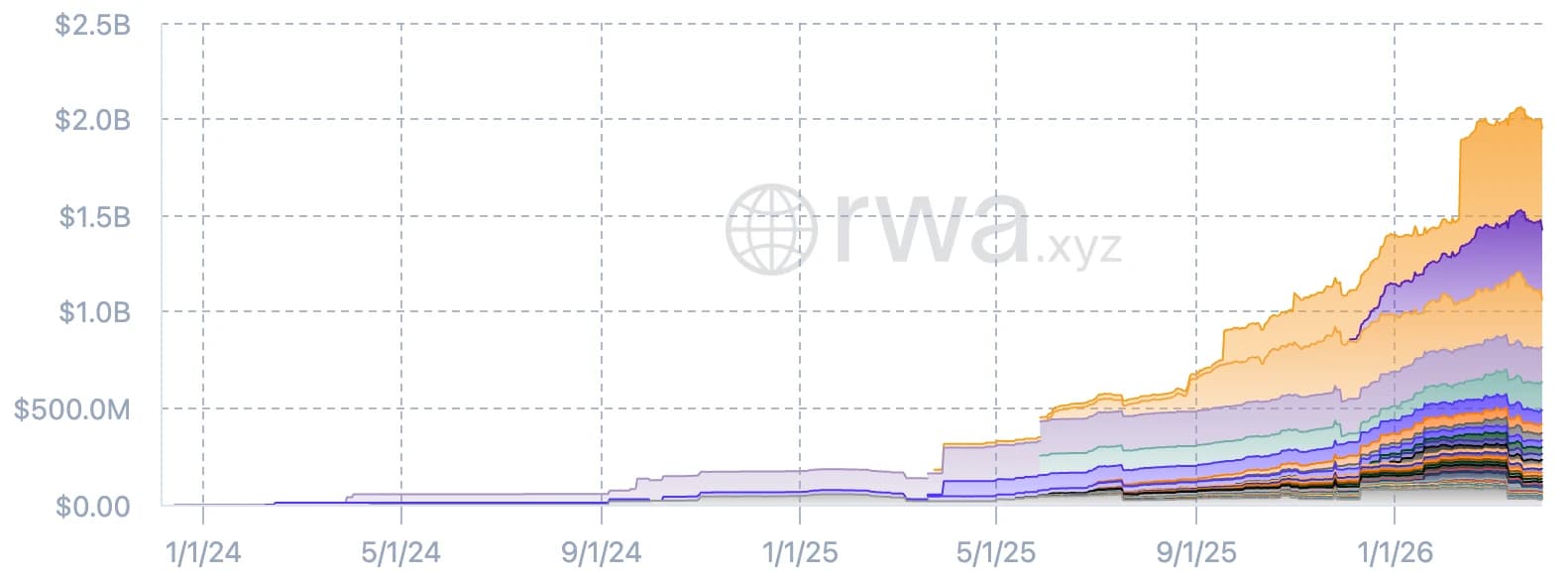
Predicting the DeFi landscape two years out is always a challenge. The space moves fast. However, current trends suggest continued growth in areas like liquid staking, decentralized exchanges (DEXs) with advanced features, and leveraged yield farming. We're also seeing increased interest in real-world asset (RWA) tokenization on Solana, which could drive even more capital into the ecosystem. The Capital Market For Every Asset on Earth is Solana's motto, and they are working towards that goal.
The upcoming Colosseum Frontier Hackathon in April-May 2026 will likely be a catalyst for innovation. Hackathons often lead to the development of new protocols and tools, and Solana's active developer community is a major strength. While
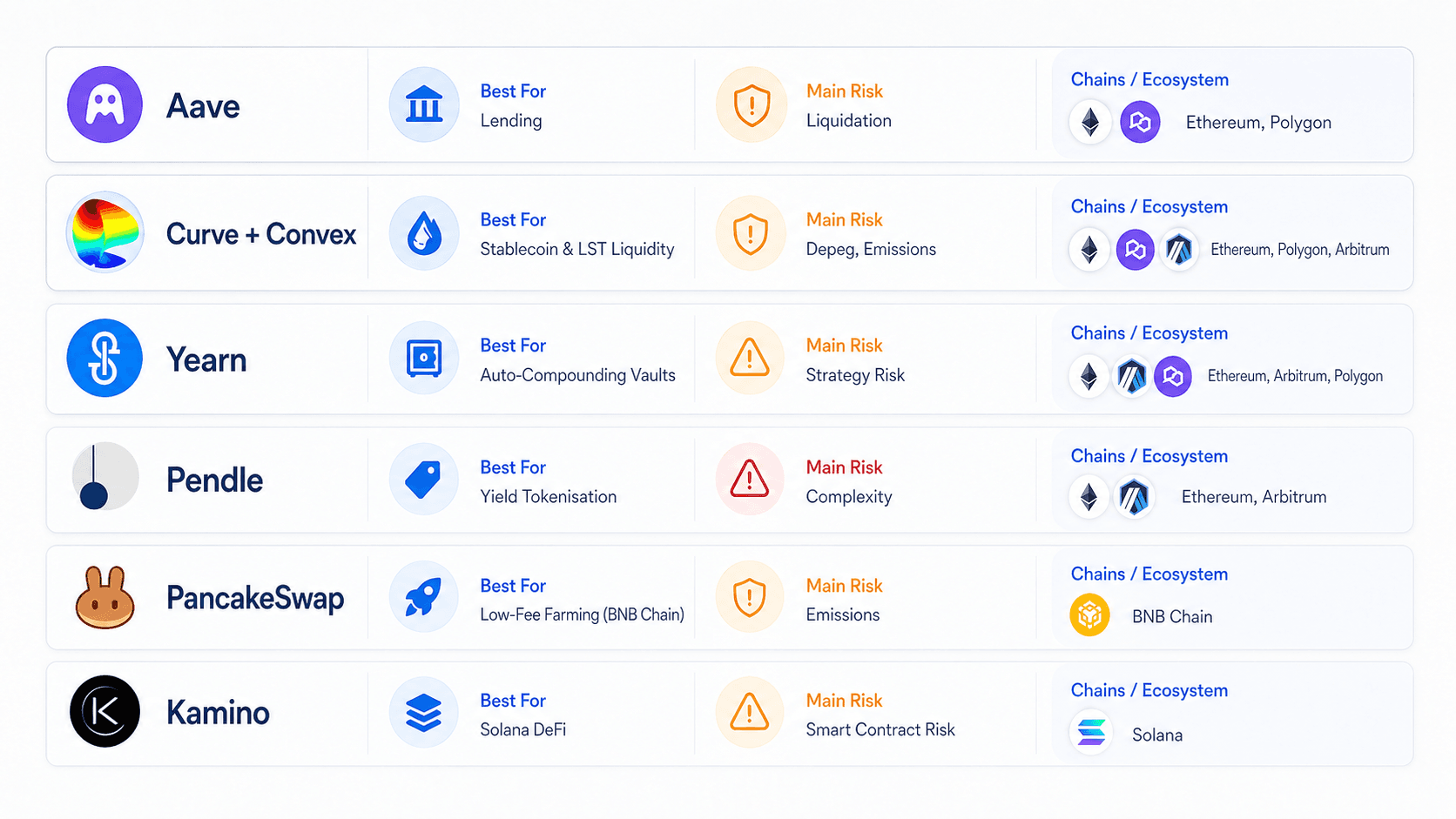
Top 10 yield platforms
Here's a look at ten Solana DeFi platforms poised to offer competitive yields in 2026, analyzed across APY, TVL, supported assets, and core mechanics. APYs are estimates based on current trends and may fluctuate significantly. Remember, higher APYs often come with higher risk. This isn't financial advice, but a snapshot of the current landscape.
- Raydium: An automated market maker with stablecoin yields between 8% and 15%. It currently holds $1.2 billion in total value.
- Orca (User-Friendly DEX with Whirlpools): Orca is known for its user-friendly interface and 'whirlpools' – a concentrated liquidity model similar to Uniswap V3. They make it easier to provide liquidity and earn fees. APYs are comparable to Raydium, typically 7-14%, depending on the pool. Orca's simplicity makes it a good entry point for new DeFi users.
- Marinade Finance (Liquid Staking Protocol): Marinade Finance allows you to stake SOL and receive mSOL in return, a liquid staking token. This lets you earn staking rewards while still utilizing your SOL in other DeFi applications. APYs are around 6-10%, depending on network conditions and the amount of SOL staked. TVL is a robust $900 million.
- Tulip Protocol (Yield Farming Aggregator): Tulip Protocol aggregates yield farming opportunities across multiple protocols, simplifying the process for users. They offer vaults optimized for different strategies, automatically compounding rewards. APYs vary significantly, from 10% to over 30% for higher-risk vaults. It's a one-stop shop for maximizing yield.
- Francium (Leveraged Yield Farming): Francium allows you to take out loans to increase your exposure to yield farming positions. This can amplify your returns, but also significantly increases your risk of liquidation. APYs can be very high, exceeding 50% in some cases, but be incredibly careful with leveraged positions. Risk management is paramount.
- Solend (Lending and Borrowing Protocol): Solend is a lending and borrowing protocol where you can deposit assets to earn interest or borrow assets by providing collateral. APYs on deposits are generally stable, around 5-8%, while borrow rates fluctuate based on demand. Solend is a fundamental building block for other DeFi applications.
- Saber (Cross-Chain Stablecoin Exchange): Saber specializes in stablecoin swaps, offering low slippage and efficient trading. It’s a crucial component for moving value within the Solana ecosystem. APYs on stablecoin pools are typically lower, around 3-7%, but offer a relatively safe way to earn yield. TVL is around $800 million.
- Quarry Protocol (Liquidity Mining Platform): Quarry Protocol focuses on incentivizing liquidity provision with its QUARRY token. It aims to provide a sustainable and efficient liquidity mining experience. APYs are dynamic, ranging from 12-25% depending on the token and the current mining rewards. It's a newer platform with growing potential.
- Drift Protocol (Decentralized Perpetuals Trading): Drift Protocol is a decentralized exchange for perpetual futures contracts. It allows you to trade with leverage and potentially profit from both rising and falling markets. APYs aren’t directly applicable here, but traders can earn fees by providing liquidity. It's a higher-risk, higher-reward option.
- Kamino Finance (Concentrated Liquidity Vaults): Kamino Finance offers concentrated liquidity vaults, similar to Orca's whirlpools, but with more advanced features and customization options. APYs are competitive, ranging from 9-16%, and they focus on providing efficient liquidity for various trading pairs. The platform is gaining traction for its innovative approach.
Top 10 Solana DeFi Platforms for Maximum Yield (Late 2025/Early 2026)
| Platform Name | APY Range (as of late 2025/early 2026) | TVL (USD) | Core Function | Risk Level | Supported Assets |
|---|---|---|---|---|---|
| Raydium | Variable, estimated 8% - 30%+ | $400M+ | Automated Market Maker & Liquidity Pools | Medium | SOL, USDC, USDT, SPL Tokens |
| Orca | Variable, estimated 5% - 20%+ | $250M+ | User-Friendly DEX with Whirlpools | Low-Medium | SOL, USDC, USDT, ETH, BTC |
| Marinade Finance | Estimated 6% - 12%+ | $1.2B+ | Liquid Staking Protocol | Low | SOL (mSOL) |
| Tulip Protocol | Variable, estimated 10% - 40%+ | $150M+ | Yield Farming Aggregator | Medium-High | SOL, USDC, USDT, various LP tokens |
| Francium | Variable, estimated 15% - 60%+ | $80M+ | Leveraged Yield Farming | High | SOL, ETH, BTC, USDC, USDT |
| Solend | Variable, estimated 4% - 15%+ | $180M+ | Lending and Borrowing Protocol | Medium | SOL, ETH, BTC, USDC, USDT, stablecoins |
| Saber | Variable, estimated 3% - 10%+ | $70M+ | Cross-Chain Stablecoin Exchange | Low-Medium | USDC, USDT, DAI, wBTC |
| Quarry Protocol | Variable, estimated 12% - 35%+ | $50M+ | Liquidity Mining Platform | Medium-High | SOL, USDC, USDT, various LP tokens |
| Drift Protocol | Variable, dependent on trading volume & leverage | $30M+ | Decentralized Perpetuals Trading | High | SOL, BTC, ETH (Perpetual Contracts) |
| Kamino Finance | Variable, estimated 7% - 25%+ | $100M+ | Concentrated Liquidity Vaults | Medium | SOL, USDC, USDT, stSOL |
Illustrative comparison based on the article research brief. Verify current pricing, limits, and product details in the official docs before relying on it.
Impermanent loss and smart contract risks
DeFi yield farming isn’t without its risks. Impermanent Loss (IL) is a major concern when providing liquidity to AMMs like Raydium or Orca. It occurs when the price ratio of the tokens in a liquidity pool changes, resulting in a loss compared to simply holding the tokens. The larger the price divergence, the greater the IL.
Beyond IL, smart contract risk is ever-present. DeFi protocols are built on code, and bugs or vulnerabilities in that code can lead to loss of funds. Always choose protocols that have been audited by reputable firms. Liquidation risk is relevant when using leveraged positions on platforms like Francium. If the value of your collateral falls below a certain threshold, your position will be liquidated.
Finally, regulatory uncertainty hangs over the entire DeFi space. Governments around the world are still grappling with how to regulate DeFi, and new regulations could have a significant impact on the industry. It’s also worth remembering the Colosseum hackathon, while intended to improve security, also highlights the constant need for vigilance against exploits.
- Audit Reports: Check if the protocol has been audited by a reputable firm (e.g., Trail of Bits, CertiK).
- Insurance: Some protocols offer insurance to protect against smart contract failures.
- Diversification: Don’t put all your eggs in one basket. Spread your investments across multiple protocols.
Strategies to increase yield
Simply depositing tokens into a liquidity pool is a good starting point, but there are strategies to potentially boost your yields. Liquidity providing on multiple pools can diversify your risk and capture additional rewards. However, it requires more active management. Leveraging positions, as offered by Francium, can amplify your returns, but also dramatically increases your risk.
Participating in governance can also be rewarding. Many DeFi protocols reward token holders for voting on proposals and contributing to the direction of the project. Platforms like Jito allow you to earn rewards by delegating your stake and participating in network validation. Tensor, with its focus on trading strategies, can also be integrated to optimize yield farming approaches.
It's important to understand the tradeoffs of each strategy. Leveraging, for example, can lead to significant losses if the market moves against you. Governance participation requires research and active involvement. Carefully consider your risk tolerance and time commitment before implementing these strategies.
Security threats and market volatility
Despite the potential rewards, it’s vital to acknowledge the downsides. Exploits and hacks are a constant threat in the DeFi space. Smart contracts, while audited, aren't foolproof. Rug pulls, where developers abandon a project and abscond with investor funds, are also a risk, especially with newer, unaudited protocols.
A broader market downturn could significantly impact the value of your DeFi investments. The cryptocurrency market is highly volatile, and prices can fall rapidly. It's essential to only invest what you can afford to lose and to diversify your portfolio. Remaining vigilant and understanding the risks is the best defense against potential losses.
- Due Diligence: Thoroughly research any protocol before investing.
- Risk management: Use stop-loss orders and limit exposure to any single protocol to a fixed percentage of your portfolio.
- Stay Informed: Keep up-to-date with the latest news and developments in the DeFi space.
Essential Tools for Your Solana DeFi Journey

Securely manage crypto and NFTs · Accessible hardware wallet · Compatible with desktop and Android
Secure your Solana assets and DeFi investments with this top-rated hardware wallet, ensuring peace of mind as you explore high-yield opportunities.

Hardware wallet with steel cold seed storage · Secure offline storage for cryptocurrencies · Bundle includes Trezor Model T and Billfodl
Secure your Solana assets and DeFi investments with this top-rated hardware wallet, ensuring peace of mind as you explore high-yield opportunities.

Biometric cold wallet with fingerprint authentication · Secure Bluetooth storage for various cryptocurrencies including Solana · Supports Bitcoin, Ethereum, XRP, XDC, Solana, Stablecoins & More
Secure your Solana assets and DeFi investments with this top-rated hardware wallet, ensuring peace of mind as you explore high-yield opportunities.

Pack of 2 secure crypto wallets · Trusted cold storage for Bitcoin, Ethereum, NFTs & More · 100% offline hardware wallet
Secure your Solana assets and DeFi investments with these top-rated hardware wallets, ensuring peace of mind as you explore high-yield opportunities.
As an Amazon Associate I earn from qualifying purchases. Prices may vary.
No comments yet. Be the first to share your thoughts!