
Solana DEX Landscape: 2026 Snapshot
The Solana decentralized exchange (DEX) scene in 2026 is competitive. Traders now expect more than basic swap functionality. DeFi on Solana has matured, demanding higher speeds, minimal costs, and genuinely useful features.
Jupiter, Raydium, and Orca are competing fiercely for market share. The focus has shifted to user experience; platforms now prioritize ease of use over the clunky interfaces of early DEXs. Capital efficiency is also a major battleground, as traders and liquidity providers seek to maximize returns.
Finding the cheapest token swap is no longer the sole focus. Users need platforms that offer a comprehensive trading experience, integrate with other Solana DeFi protocols, and provide tools to navigate complex markets. The best DEXs are becoming hubs for the Solana DeFi ecosystem.
Jupiter: The Aggregator's Edge
Jupiter is a dominant force on Solana as a DEX aggregator. It routes trades across multiple DEXs—Raydium, Orca, and others—to find the best price, reducing slippage and improving execution.
Jupiter's core strength is aggregating liquidity. By scanning Solana DEXs, it identifies arbitrage opportunities and ensures traders get favorable rates. This focus on best execution is an advantage for larger trades where slippage can reduce profits.
Jupiter's integration with other Solana DeFi protocols has expanded. It's a key component of many DeFi strategies, and the team explores new partnerships. Recent developments include limit order functionality and direct wallet integration, streamlining trading. The question is whether Jupiter can maintain its edge as other DEXs develop aggregation capabilities.
Jupiter isn’t always the first to adopt new features, but it consistently delivers on its promise: finding the best price. It remains the go-to platform for traders seeking optimal price discovery, and its position in the Solana DeFi ecosystem seems secure.
Raydium: Beyond Automated Market Making
Raydium started with automated market making (AMM), built on the Serum order book. While its relationship with Serum evolved, Raydium has expanded beyond its AMM origins. It is now a multifaceted platform focused on liquidity provision, launchpad functionality, and innovative pool designs.
Raydium’s Launchpad is a major draw, offering a platform for new Solana projects to raise capital and gain exposure. This attracts users and liquidity, benefiting the Raydium ecosystem. Fusion pools, which allow liquidity providers to earn fees in multiple tokens, are another key innovation.
Raydium has balanced its AMM functionality with advanced features. Fusion pools offer higher capital efficiency and reduced impermanent loss compared to traditional AMMs. The platform has also embraced limit orders and other trading tools, broadening its appeal.
In 2026, Raydium occupies a unique position. It is not solely an aggregator like Jupiter, nor solely focused on simplicity like Orca. It is a versatile platform catering to both casual and sophisticated DeFi users. Its continued success depends on its ability to innovate and adapt to the changing Solana landscape.
Orca: Simplicity and User Experience
Orca distinguishes itself through simplicity and user experience. It is designed to be approachable for beginners and experienced traders, offering a clean, intuitive interface that minimizes complexity. This focus has resonated with a large segment of the Solana community.
Orca’s Whirlpools are a cornerstone of its success. These concentrated liquidity pools improve capital efficiency, allowing liquidity providers to earn higher fees with less capital. They also contribute to reduced slippage for traders, enhancing the trading experience.
Orca may not offer the same breadth of advanced features as Jupiter or Raydium, but its simplicity is a deliberate choice. The team believes a streamlined interface and easy-to-understand functionality are more important than a laundry list of complex tools. This approach has proven effective in attracting a loyal user base.
The question for Orca in 2026 is whether it can continue to deliver a superior user experience. It needs to demonstrate that its focus on simplicity does not come at the cost of performance or innovation. It is a strong contender for newcomers but may not satisfy power users.
Fees, Speed, and Slippage: A Head-to-Head
Comparing transaction fees, speed, and slippage across these DEXs is tricky because network congestion on Solana fluctuates. However, some general trends are clear. Jupiter, as an aggregator, often secures the lowest prices, but those savings can be offset by slightly higher network fees due to the complexity of routing trades.
Orca generally offers the fastest execution speeds for simple swaps due to its streamlined interface. Raydium’s speed is comparable, but can be affected by congestion on Serum. All three DEXs benefit from Solana’s inherent scalability, but peak times can still lead to delays and higher fees.
Slippage tolerance varies depending on the trading pair and order size. Jupiter excels at minimizing slippage by routing trades through multiple sources. Orca’s Whirlpools also contribute to reduced slippage, particularly for popular trading pairs. Raydium’s slippage can be higher for less liquid pairs.
Solana’s ongoing scalability improvements are continually impacting these metrics. Upgrades to the network are consistently reducing fees and increasing transaction speeds, benefiting all three DEXs. In general, for a quick, simple swap, Orca often wins. For larger trades and more complex orders, Jupiter is usually the better choice.
- Transaction Fees: Generally lowest on Orca for simple swaps, potentially higher on Jupiter due to trade routing.
- Execution Speed: Orca is typically fastest, followed by Raydium. Jupiter can be slightly slower.
- Slippage Tolerance: Jupiter and Orca (with Whirlpools) offer the best slippage control.
Solana DEX Comparison 2026: Jupiter, Raydium & Orca
| Criteria | Jupiter 🚀 | Raydium 🐠 | Orca 🐳 |
|---|---|---|---|
| Transaction Fees | Low 🟢 | Medium 🟡 | Medium 🟡 |
| Trade Speed | Fast 🟢 | Moderate 🟡 | Fast 🟢 |
| Slippage Tolerance | Excellent 🟢 | Good 🟡 | Good 🟡 |
| User Interface | Moderate 🟡 | Moderate 🟡 | Intuitive 🟢 |
| Liquidity | Deep 🟢 | Moderate 🟡 | Moderate 🟡 |
| Advanced Features | Aggregator, Limit Orders 🟢 | Launchpad, Fusion Pools 🟡 | Whirlpools 🟡 |
| Token Support | Extensive 🟢 | Wide 🟡 | Growing 🟡 |
Illustrative comparison based on the article research brief. Verify current pricing, limits, and product details in the official docs before relying on it.
Advanced Features: What Sets Them Apart?
Each DEX offers unique features designed to attract traders and liquidity providers. Jupiter stands out with its limit orders and Dollar-Cost Averaging (DCA) tools, allowing users to automate their trading strategies. These features provide greater control and flexibility.
Raydium’s Launchpad remains a key differentiator, providing access to promising new Solana projects. Its fusion pools offer higher capital efficiency and reduced impermanent loss, making it an attractive option for liquidity providers. The platform is continually adding new pool types and features.
Orca’s Aquafarm is a rewards program that incentivizes liquidity providers. Its Whirlpools, as mentioned earlier, are a core component of its capital efficiency strategy. While Orca doesn’t have as many advanced features as its competitors, its existing tools are well-designed and easy to use.
Ultimately, the best DEX for a particular user depends on their individual needs and preferences. Traders looking for advanced tools and automated strategies will likely gravitate towards Jupiter. Those seeking access to new projects and higher yields may prefer Raydium. And users who prioritize simplicity and ease of use will find Orca to be the most appealing option.
- Jupiter: Limit orders, DCA tools, advanced trading strategies.
- Raydium: Launchpad, fusion pools, innovative pool designs.
- Orca: Aquafarm, Whirlpools, simplified trading experience.
Essential Tools for Solana Traders: Enhance Your DEX Experience
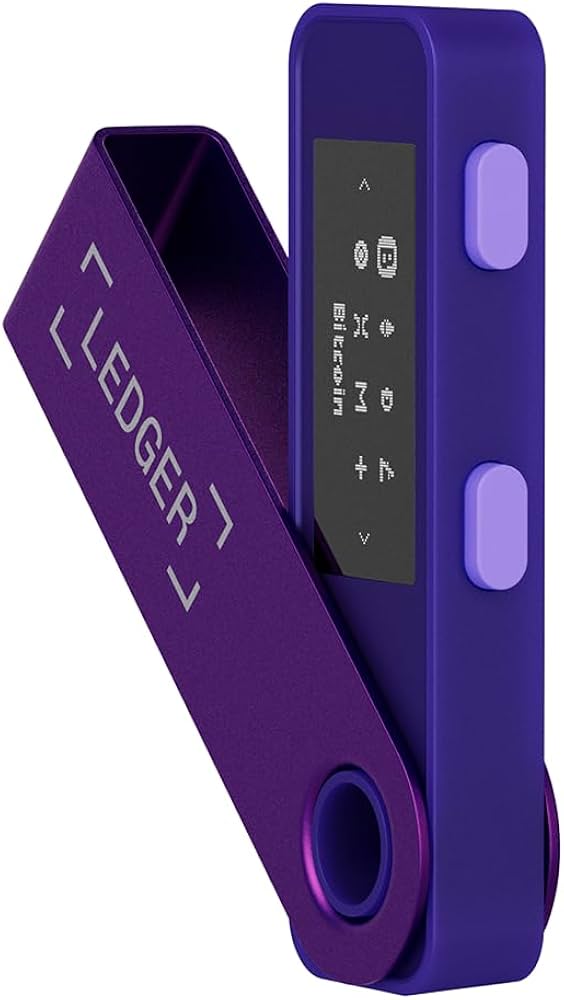
Securely store private keys offline · Supports a wide range of cryptocurrencies including SOL · User-friendly interface for managing assets
This is a top-tier hardware wallet that provides robust security for your Solana holdings, essential for peace of mind when trading on DEXs.

Popular browser extension wallet · Supports multiple blockchains (with Solana network added) · Integrates with hardware wallets like Ledger
While MetaMask itself is free software, its ability to connect with hardware wallets makes it a versatile choice for accessing Solana DEXs securely.
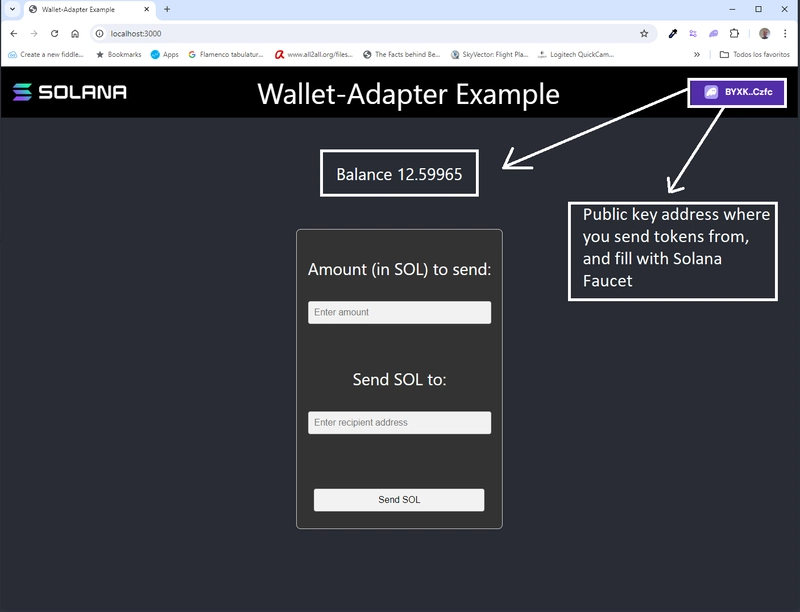
Native Solana wallet extension · User-friendly interface for NFTs and tokens · Connects seamlessly with Solana dApps and DEXs
Phantom is the go-to wallet for many Solana users, offering a smooth and intuitive experience for interacting with DEXs like Jupiter, Raydium, and Orca.
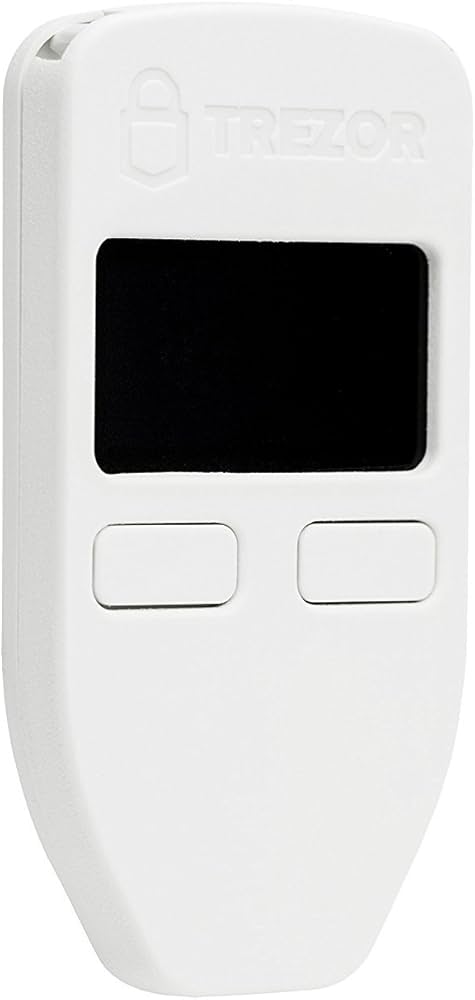
Offline storage for private keys · Open-source firmware for transparency · Supports a broad spectrum of cryptocurrencies
Another excellent hardware wallet option, the Trezor Model One offers strong security and is a reliable choice for safeguarding your assets while exploring the Solana ecosystem.
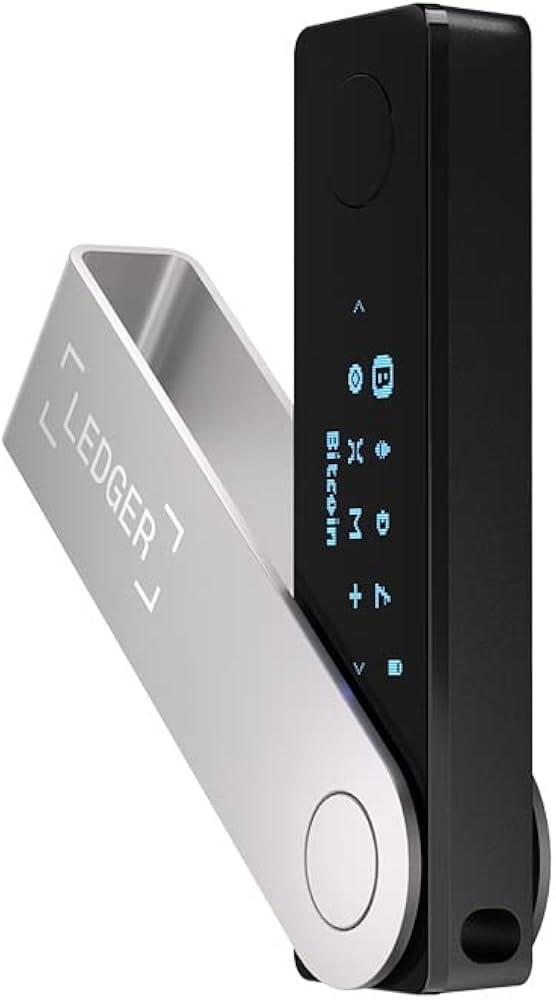
Bluetooth connectivity for mobile use · Secure Element chip for maximum protection · Large storage capacity for multiple apps
For traders who value both security and convenience, the Ledger Nano X offers advanced features like Bluetooth, making it easier to manage your Solana assets on the go.
As an Amazon Associate I earn from qualifying purchases. Prices may vary.
Security Considerations and Risk
Security is paramount in the DeFi space, and DEXs are no exception. All three platforms – Jupiter, Raydium, and Orca – have undergone smart contract audits by reputable firms. However, audits don't guarantee complete security, and vulnerabilities can still exist. It’s crucial to use a secure wallet and practice good security hygiene.
Potential risks include smart contract bugs, impermanent loss (for liquidity providers), and the possibility of front-running or other forms of manipulation. Impermanent loss is particularly relevant for AMMs like Raydium and Orca, where liquidity providers can experience losses if the price of their deposited tokens diverges significantly.
Each team has taken steps to mitigate these risks. Jupiter focuses on aggregating liquidity from trusted sources, while Raydium and Orca implement various risk management protocols. However, users should always do their own research and understand the risks involved before using any DeFi platform. It’s also wise to diversify your holdings and avoid putting all your eggs in one basket.
Staying informed about potential security threats and following best practices is essential for protecting your funds. Regularly review the security measures implemented by each DEX and be cautious of phishing scams and other malicious activities.
- Use a secure wallet (Ledger, Trezor, etc.).
- Enable two-factor authentication.
- Be cautious of phishing scams.
- Understand the risks of impermanent loss.
- Diversify your holdings.
Community Sentiment and Future Outlook
Community sentiment towards these DEXs is generally positive, but each platform has its critics. Jupiter is widely praised for its efficiency and price discovery, but some users express concerns about its reliance on third-party aggregators. Raydium receives positive feedback for its Launchpad and innovative features, but some find its interface less intuitive.
Orca consistently receives high marks for its user experience, but some argue that its simplicity limits its functionality. Twitter, Reddit, and Discord are valuable sources for gauging community sentiment. Users often discuss their experiences, share feedback, and report any issues they encounter.
Looking ahead, the future of these DEXs will depend on their ability to innovate and adapt to the evolving Solana landscape. Jupiter is likely to continue to focus on aggregation and advanced trading tools. Raydium will likely expand its Launchpad offerings and explore new pool designs. Orca will likely double down on its commitment to simplicity and user experience.
The success of each platform will also depend on its ability to attract and retain liquidity providers. Capital efficiency and attractive rewards are key factors in this regard. The Solana DEX landscape is dynamic and competitive, and only the most innovative and user-friendly platforms will thrive in the long run.
No comments yet. Be the first to share your thoughts!