
How we chose the best Solana wallets
We evaluated Solana wallets based on three core criteria: security architecture, user experience, and ecosystem integration. The goal was to identify tools that protect assets while providing reliable access to the Solana network.
Security remains the primary filter. We prioritized non-custodial wallets where users retain private key control. We verified that selected wallets utilize open-source codebases, regular third-party security audits, and robust phishing protection mechanisms. For hardware options, we confirmed compatibility with major secure element standards.
User experience was assessed through interface clarity, transaction speed, and mobile functionality. A wallet must balance advanced features with intuitive navigation, especially for users managing staking or interacting with decentralized applications. We tested responsiveness and error handling during high-traffic network conditions.
Ecosystem support determines long-term utility. We looked for wallets offering native staking, cross-chain bridge capabilities, and seamless integration with Solana-based dApps. Wallets that restrict access to only a subset of the Solana ecosystem were deprioritized.
Best overall Solana wallet: Phantom
Phantom is the default entry point for most Solana users. It combines a clean interface with deep integration into the Solana ecosystem, making it suitable for both casual token management and active DeFi participation. The wallet currently serves over 15 million users, a volume that reflects its reliability and ease of use.
The interface is designed to minimize friction. Swapping tokens, bridging assets between chains, and interacting with dApps happen within a single view. This reduces the need to switch between multiple tools or browsers. The built-in staking feature allows users to earn yield on SOL directly from the dashboard, with options to delegate to validators without leaving the app.
Security is a priority. Phantom uses a non-custodial model, meaning you control your private keys. It includes phishing protection that warns users when they visit suspicious dApp sites. The wallet also supports biometric authentication on mobile devices, adding a layer of convenience without compromising security.
For users who want to manage multiple blockchains, Phantom extends beyond Solana. It supports Ethereum, Bitcoin, and Polygon, allowing you to store assets across different networks in one place. This multi-chain capability makes it a versatile tool for broader crypto exposure.
| Feature | Phantom | Solflare |
|---|---|---|
| Multi-Chain | Yes (ETH, BTC, SOL) | SOL Only |
| Built-in Staking | Yes | Yes |
| Phishing Protection | Yes | Yes |
| Hardware Wallet Support | Ledger, Trezor | Ledger, Trezor |
| Mobile App | iOS, Android | iOS, Android |

As an Amazon Associate, we may earn from qualifying purchases.
Best for deep Solana engagement: Solflare
Solflare positions itself as the specialist choice for users heavily invested in the Solana ecosystem. While Phantom excels as a generalist multi-chain hub, Solflare focuses on providing granular control over Solana-native assets, staking, and governance. It is designed for users who prioritize detailed portfolio analytics and direct interaction with the network's consensus layer.
The wallet’s interface offers a more technical dashboard than its competitors. Users can monitor validator performance, track delegation history, and manage multiple staking positions with precision. This depth of data is particularly valuable for active validators or sophisticated holders who require real-time insights into their SOL yield and network participation.
Solflare also integrates robust governance tools. The platform allows users to participate in Solana Improvement Proposals (SIPs) and vote on community-driven initiatives directly from the wallet interface. This feature aligns the wallet with the decentralized ethos of the network, ensuring that engaged users have a direct voice in the protocol's evolution.
To understand how Solflare compares to the broader market, we can look at key differentiators against the industry standard, Phantom.
| Feature | Phantom | Solflare |
|---|---|---|
| Primary Focus | Multi-chain generalist | Solana specialist |
| Staking Interface | Simple one-click | Advanced validator metrics |
| Governance | Basic links | Integrated voting tools |
| Multi-Chain Support | Solana, Ethereum, Polygon, etc. | Solana, Bitcoin (BRC-20) |
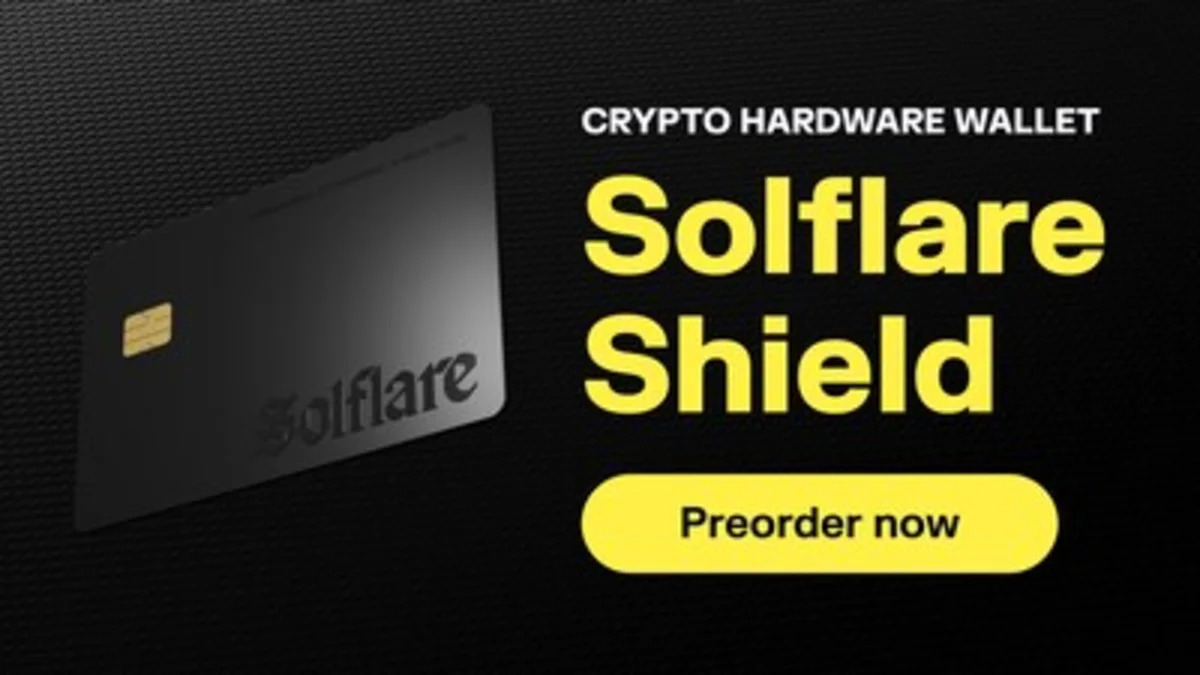
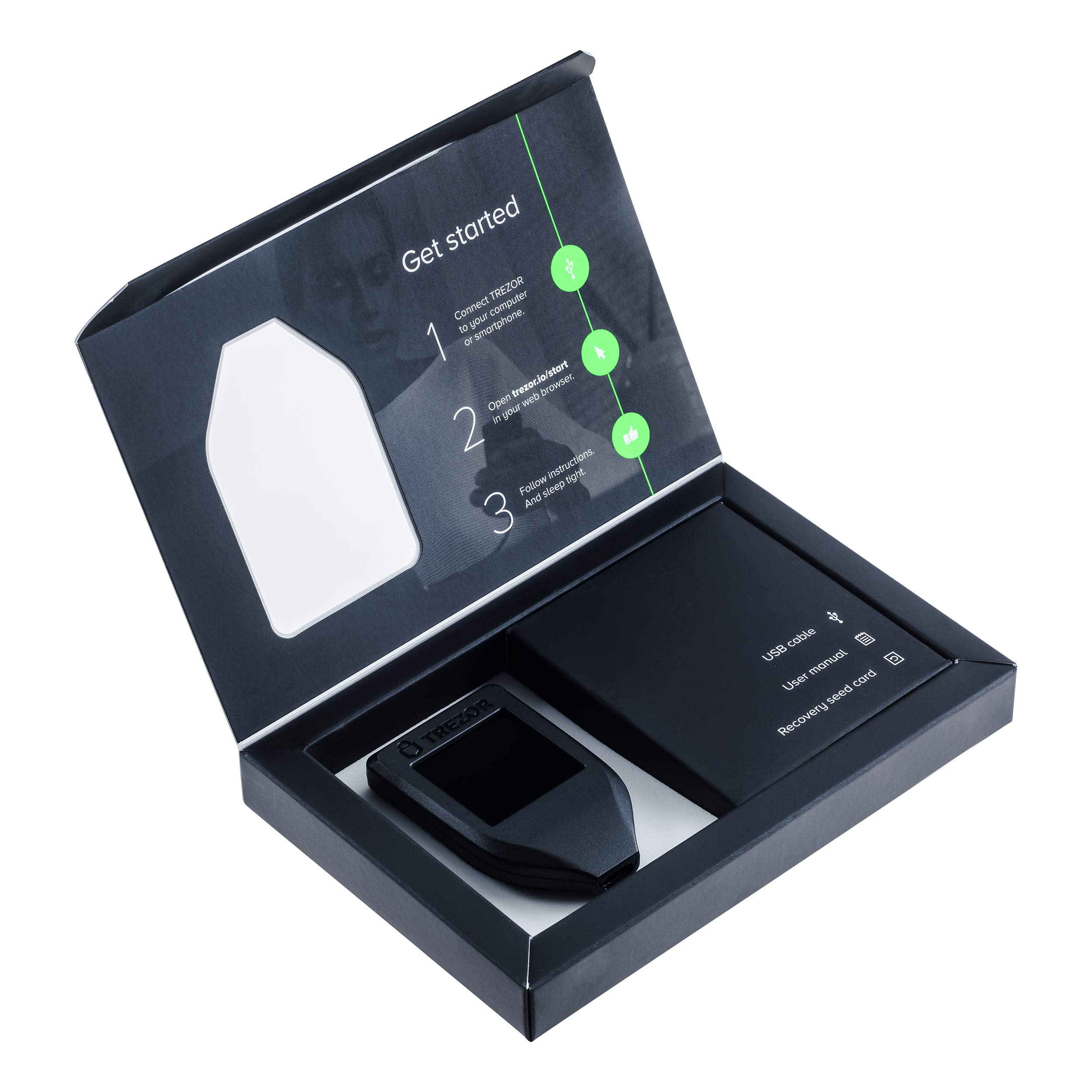
For those looking to purchase Solflare hardware devices or related accessories, the following options are available through verified retailers:

As an Amazon Associate, we may earn from qualifying purchases.
Best hardware wallets for Solana
When managing significant SOL holdings, software wallets leave you exposed to remote exploits. Hardware wallets solve this by keeping private keys on a physical device that never connects to the internet. This cold storage approach ensures that even if your computer is compromised, your funds remain secure.
Solana support on hardware devices has matured significantly. Ledger and Trezor are the primary vendors offering native Solana integration. You can manage your SOL, staking rewards, and SPL tokens directly through the official Solana mobile app or desktop interfaces like Phantom and Solflare, which act as bridges to your hardware device.
The security model relies on transaction signing. When you approve a transfer, the raw transaction data travels to your device. You must physically verify the recipient address and amount on the hardware screen before it signs. This visual confirmation prevents malware from silently redirecting funds to attacker-controlled addresses.


As an Amazon Associate, we may earn from qualifying purchases.
Always purchase hardware wallets directly from the manufacturer or authorized distributors. Supply chain attacks are a real threat; a pre-loaded device from a third-party seller could drain your assets immediately upon connection. Verify the device's integrity and reset it to factory settings before your first use.
Is Phantom or Solflare better for you?
Choosing between Phantom and Solflare is not about finding a flaw in either product, but rather identifying which interface aligns with your specific workflow. Both wallets are non-custodial, open-source, and subject to regular security audits. They both offer biometric authentication and phishing protection. The distinction lies in their architectural focus: Phantom is designed for broad cross-chain utility, while Solflare is engineered for deep Solana ecosystem engagement.
Phantom: The Cross-Chain Hub
Phantom serves over 15 million users by acting as a multi-chain gateway. If you interact with Ethereum, Bitcoin, or other networks alongside Solana, Phantom provides a unified interface. Its dApp browser is optimized for speed and compatibility with the widest range of decentralized applications. For casual users or those who trade across multiple chains, Phantom reduces friction by keeping all assets in one place. Its interface prioritizes ease of use over granular control, making it the standard entry point for new Solana users.
Solflare: The Solana Specialist
Solflare focuses exclusively on the Solana network, offering features that power users require. It provides advanced staking controls, allowing you to delegate to validators with detailed fee and performance metrics. Solflare also offers native NFT management tools that are more robust than Phantom’s basic viewer. If your primary activity is staking SOL, providing liquidity, or managing complex NFT portfolios within the Solana ecosystem, Solflare’s specialized tools offer greater precision and control.
Comparison Overview
| Feature | Phantom | Solflare |
|---|---|---|
| Primary Focus | Cross-chain (Solana, ETH, BTC) | Solana-only specialization |
| Staking Controls | Basic delegation | Advanced validator selection |
| NFT Management | Basic viewer | Detailed portfolio tools |
| Best For | Casual users, multi-chain traders | Power users, deep ecosystem engagement |
Recommendation
For most users, the decision is straightforward. If you only use Solana and want maximum control over staking and NFTs, Solflare is the superior choice. If you value simplicity and need to manage assets across multiple blockchains, Phantom is the better tool. Both are secure, but they serve different operational needs.
Frequently asked questions about Solana wallets
Is Phantom or Solflare better?
Both Phantom and Solflare are non-custodial, open-source wallets with strong security measures, including biometric unlock, phishing protection, and regular audits. The choice depends on your specific goals: Phantom is generally preferred for casual users and cross-chain activity, while Solflare is optimized for deep engagement within the Solana ecosystem.
Which Solana wallets are beginner-friendly?
For ease of use, security, and all-in-one features, Phantom is widely regarded as the top pick for new Solana users. The interface is intuitive, supporting staking, swaps, and bridging without requiring KYC or complicated setup processes.
Can I use a Solana wallet for staking?
Yes. Both Phantom and Solflare allow you to stake SOL directly within the application. This feature lets you earn rewards by delegating your assets to validators, helping to secure the network while generating passive income on your holdings.
No comments yet. Be the first to share your thoughts!