
How we picked the best Solana wallets
Choosing a Solana wallet is a high-stakes decision. Your wallet is not just a storage locker; it is the gateway to the entire Solana ecosystem. According to Solana’s official documentation, these tools offer more than custody—they provide access to programmable, powerful blockchain services. Because the financial consequences of a poor choice can be severe, we prioritize wallets with transparent security audits and active development teams.
Our evaluation focused on three concrete criteria. First, we verified security audits. We only considered wallets that have undergone rigorous, third-party code reviews to ensure your private keys remain safe. Second, we assessed the user base. A large, active community often indicates a wallet’s reliability and the speed at which bugs are patched. Finally, we tested DeFi integration. The best Solana wallets must seamlessly connect to decentralized exchanges and lending protocols without friction.
We avoided wallets with opaque security practices or stagnant development. This approach ensures that every recommendation in this roundup is built on official sources and real-world utility, not marketing hype.
Phantom: Best for daily trading and NFTs
Phantom has established itself as the default entry point for Solana users, currently serving more than 15 million accounts. Its dominance stems from an interface that balances simplicity with the power needed for active trading and NFT management. Unlike wallets that feel like static storage, Phantom functions as a gateway, integrating seamlessly with the broader Solana ecosystem and supporting multi-chain operations for Ethereum and Bitcoin users.
The wallet’s architecture prioritizes speed and clarity. Transaction confirmations are immediate, and the built-in token swap feature allows users to exchange assets directly within the interface without navigating to external decentralized exchanges. This integration reduces friction for daily use, making it the preferred choice for users who trade frequently or manage complex NFT portfolios across multiple collections.
Security remains a non-negotiable baseline for any high-stakes financial tool. Phantom employs biometric authentication and maintains rigorous phishing protection protocols. It is open-source and regularly audited, ensuring that the code governing your assets is transparent and verified by independent security experts. This commitment to transparency has made it a trusted standard in a market where security breaches can be catastrophic.
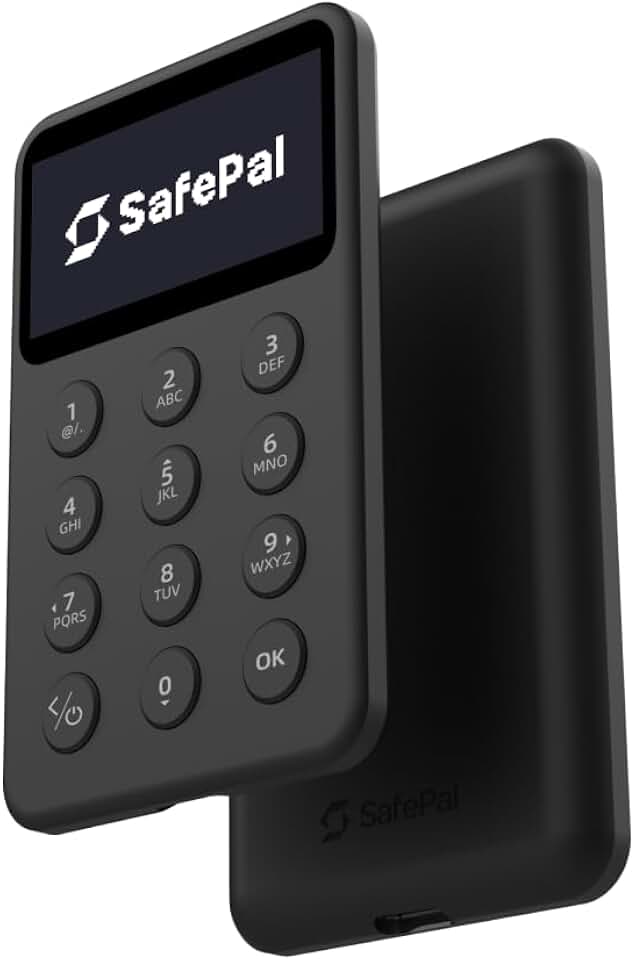
For users who prioritize offline security for long-term holdings, Phantom also offers a hardware wallet solution. This device allows you to sign transactions securely without exposing your private keys to your computer or mobile device, providing an additional layer of protection against digital threats.
Solflare: Best for staking and ecosystem depth
Solflare is a non-custodial wallet built specifically for the Solana network. Unlike multi-chain solutions that spread focus across dozens of blockchains, Solflare concentrates on Solana’s native infrastructure. This specialization makes it the superior option for users deeply engaged in staking and advanced ecosystem features.
The wallet’s interface is designed for high-stakes financial decisions. It offers granular control over validator selection, allowing users to optimize their staking rewards directly from the dashboard. Solflare provides detailed metrics on validator performance, commission rates, and uptime, ensuring users can make informed choices about where their SOL is deployed.
Security is maintained through strict adherence to official standards. Solflare is open-source and undergoes regular independent audits. It features biometric authentication, phishing protection, and secure enclave support on mobile devices. These measures provide a robust foundation for managing significant digital assets.
Solflare also integrates seamlessly with Solana’s DeFi landscape. Users can access popular decentralized exchanges and lending protocols without leaving the wallet. This ecosystem depth simplifies complex transactions, making it easier to manage a diversified Solana portfolio.
For those looking to acquire hardware to secure their Solana assets, consider the following options:


As an Amazon Associate, we may earn from qualifying purchases.
Other top Solana wallet options
While Phantom and Solflare dominate the mainnet landscape, specific user needs often require alternative architectures. Backpack offers a developer-first environment with built-in security testing, while Exodus provides a unified interface for users managing assets across multiple blockchains. For those prioritizing maximum asset security, hardware integration remains the industry standard.
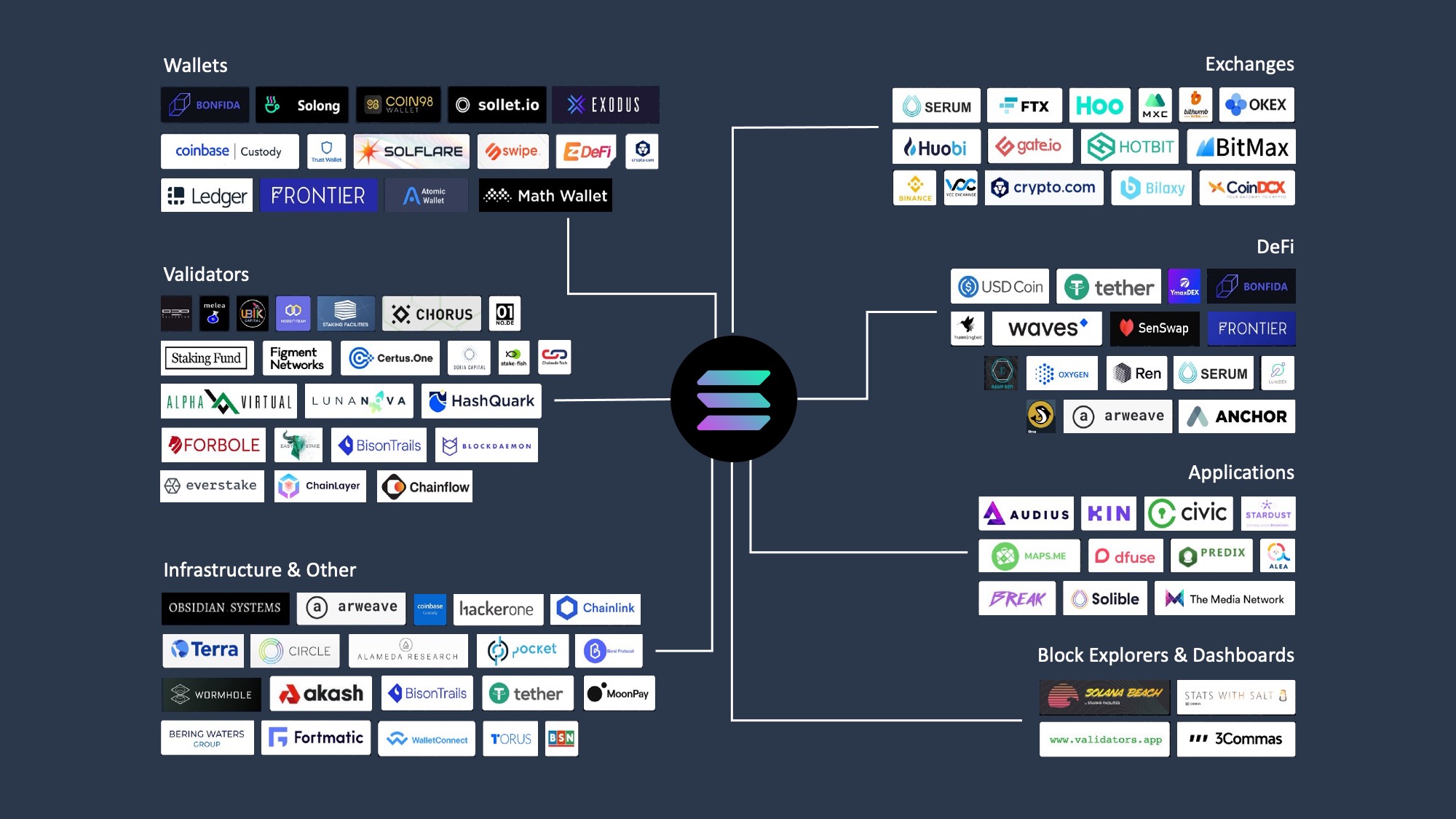
Backpack distinguishes itself with a browser extension designed for active traders and developers. It includes a built-in sandbox environment for testing smart contracts before deployment, reducing exposure to malicious code. The wallet supports both Solana and Ethereum ecosystems, making it a practical choice for users who require cross-chain functionality without sacrificing Solana-specific performance.
Exodus is a non-custodial wallet that prioritizes a clean, intuitive user experience across desktop and mobile platforms. It supports over 250 cryptocurrencies, allowing users to manage Solana assets alongside Bitcoin, Ethereum, and other major coins in a single interface. While it lacks the advanced staking customization of Solana-native wallets, its simplicity makes it ideal for users who prefer a unified dashboard for their entire portfolio.
For significant holdings, hardware wallets like Ledger and Trezor provide offline storage, keeping private keys isolated from internet-connected devices. These devices support Solana through companion apps, allowing users to sign transactions securely without exposing their keys. This approach is essential for long-term holders who prioritize security over daily transaction speed.


As an Amazon Associate, we may earn from qualifying purchases.
Wallet Feature Comparison
Choosing the right Solana wallet depends on your specific workflow. Phantom leads in cross-chain versatility, making it ideal for users managing assets across multiple blockchains. Solflare offers deeper integration with Solana-native tools, including advanced staking controls and a built-in dApp browser. Backpack focuses on security and developer tools, appealing to those prioritizing institutional-grade protection and custom transaction simulations.
The table below outlines the core differences across key metrics to help you decide.
| Feature | Phantom | Solflare | Backpack |
|---|---|---|---|
| Multi-chain | Yes | No | No |
| Staking | Yes | Yes (Advanced) | Yes |
| Hardware Support | Ledger, Trezor | Ledger, Trezor | |
| Platform | Mobile, Web, Desktop | Mobile, Web, Desktop | Browser Extension |
For most users, Phantom provides the smoothest entry point into Solana, especially if you also interact with Ethereum or Polygon. Solflare remains the top choice for dedicated Solana investors who want granular control over staking rewards. Backpack is best suited for power users and developers who need transaction simulation and strict security protocols. Always verify the latest feature support on the official Solana wallet directory before making a final decision.
Secure your Solana assets with hardware wallets
Software wallets are convenient for daily transactions, but they remain vulnerable to malware and phishing attacks. For significant holdings, hardware wallets provide an isolated environment where private keys never touch an internet-connected device. This air-gapped security model is the only reliable way to protect your Solana assets from sophisticated digital threats.
When choosing a hardware wallet, prioritize official compatibility. Ledger and Trezor devices with dedicated Solana apps are the industry standard for cold storage. These physical devices require manual confirmation on the screen for every transaction, ensuring that even if your computer is compromised, your funds remain safe.
The following hardware wallets are available on Amazon and support Solana. Always verify device authenticity upon arrival to prevent supply chain tampering.


As an Amazon Associate, we may earn from qualifying purchases.
Phantom vs Solflare: Which Should You Choose?
Choosing between Phantom and Solflare depends on your primary use case. Both are non-custodial, open-source wallets with strong security measures, including biometric unlock and phishing protection. However, their design philosophies diverge significantly.
Phantom is the superior choice for casual users and those engaging in cross-chain activity. Its intuitive interface and broad integration with most decentralized applications make it the standard for daily transactions. If you need a wallet that works seamlessly across multiple blockchains, Phantom is the clear winner.
Solflare, on the other hand, is built for deep Solana ecosystem engagement. It offers more granular control over staking and advanced features specific to Solana’s architecture. If you are a power user focused solely on Solana, Solflare provides the depth and control you need.
| Feature | Phantom | Solflare |
|---|---|---|
| Best For | Casual & Cross-Chain | Deep Solana Engagement |
| Ease of Use | High | Medium |
| Staking | Basic | Advanced |
Frequently asked questions about Solana wallets
Is Phantom or Solflare better?
Both wallets are non-custodial and open-source, featuring biometric locks and phishing protection. Phantom is generally preferred for casual daily use and cross-chain activity, while Solflare is better suited for deep engagement within the Solana ecosystem. Choose Phantom for ease of use across multiple blockchains, or Solflare if you prioritize Solana-specific staking and governance tools.
Can I recover my Solana wallet if I lose my device?
Yes, provided you securely backed up your 12 or 24-word recovery phrase. Solana wallets are non-custodial, meaning no customer support team can restore access without this phrase. If you lose your device but have the phrase, you can restore your wallet on any compatible device. If you lose both, your funds are permanently inaccessible.
Do Solana wallets charge fees to send transactions?
The wallets themselves do not charge fees for sending transactions. You pay network gas fees directly to the Solana validators. These fees are typically fractions of a cent, making Solana one of the most cost-effective blockchains for frequent transactions. Some wallets may offer premium features, but standard sending and receiving remain free of platform charges.
No comments yet. Be the first to share your thoughts!