
Why Solana leads DeFi in 2026
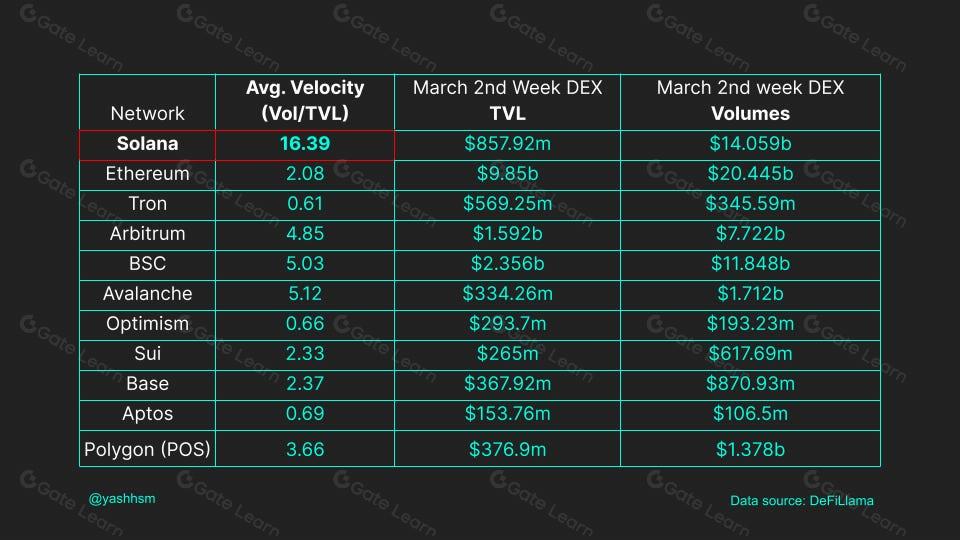
Solana has become the primary destination for capital seeking speed and low costs. The network’s high throughput and sub-cent transaction fees allow DeFi platforms to offer services that are accessible to retail users without sacrificing efficiency. This infrastructure makes Solana DeFi platforms the logical choice for traders and lenders who want to avoid the congestion and high gas fees that plague other chains.
The network handles thousands of transactions per second, ensuring that complex financial operations execute instantly. This speed is not just a technical metric; it changes how users interact with their money. Whether you are swapping tokens on a decentralized exchange or supplying liquidity, the experience is fluid and immediate. Solana’s official documentation highlights this capability as a core pillar for builders and users alike.
However, speed and scale come with responsibility. The high volume of activity on Solana means that security and due diligence are paramount. Users must verify the contracts and protocols they interact with, as the fast-paced environment can amplify the impact of any vulnerability. Always research the reputation and audit history of any Solana DeFi platform before depositing funds.
10 Solana DeFi Platforms for 2026: DEX, Lending, and Staking Ranked
Selecting the top 10 Solana DeFi platforms in 2026 requires more than just chasing yields; it demands rigorous security checks and due diligence. With high stakes involved, we’ve ranked these DEX, lending, and staking options using data from official sources like Solana.com and DefiLlama to help you make informed decisions.
1. Jupiter: The essential Solana aggregator
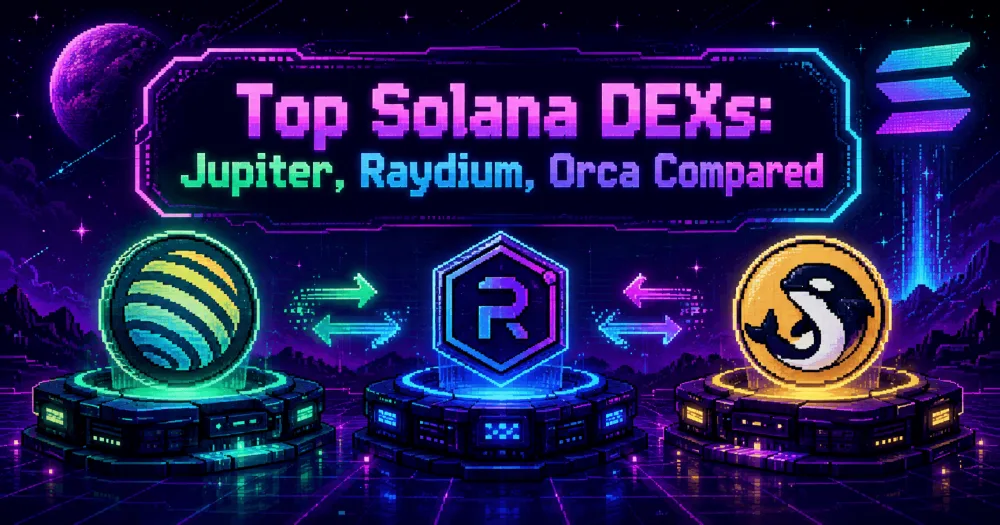
Jupiter acts as the ultimate routing engine for Solana DeFi platforms, aggregating liquidity across multiple decentralized exchanges to ensure you get the best possible price. Its DCA and limit order features make complex trading strategies accessible to everyone. Always verify contract addresses to avoid phishing sites when using these high-stakes financial tools.
2. Raydium: The liquidity hub for new tokens
Raydium serves as the primary liquidity hub for new token launches on Solana, leveraging automated market maker pools alongside order book integration. It is often the first stop for traders seeking early access to emerging projects. Due diligence is critical here, as new tokens carry significantly higher volatility and smart contract risks than established assets.
3. Orca: User-friendly trading for beginners
Orca stands out among Solana DeFi platforms for its intuitive Concentrated Liquidity Whirlpools, offering a clean interface that simplifies trading for newcomers. While it may not always offer the absolute deepest liquidity for exotic pairs, its ease of use reduces the learning curve significantly. Always double-check slippage settings to protect your trades during high volatility.

4. Kamino: The largest Solana lending protocol
Kamino Finance has emerged as the largest lending protocol on Solana, allowing users to deposit assets for yield or borrow against collateral. Its unified vault system simplifies managing multiple positions across different markets. Because leverage amplifies both gains and losses, users must carefully monitor their health factors to avoid liquidation events in fast-moving markets.
5. MarginFi: Leveraged trading and borrowing
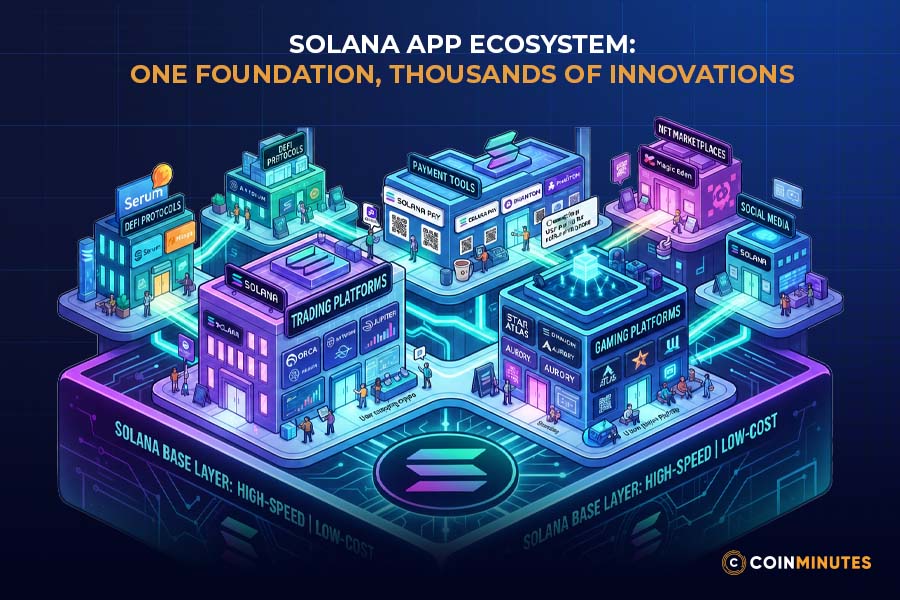
MarginFi focuses on providing efficient leveraged trading and borrowing capabilities, allowing sophisticated users to amplify their market exposure on Solana. Its streamlined interface for managing margin positions makes it a favorite among active traders. However, the use of leverage introduces substantial risk, requiring strict risk management strategies and constant monitoring of collateral ratios.

6. Jito: Staking with MEV rewards
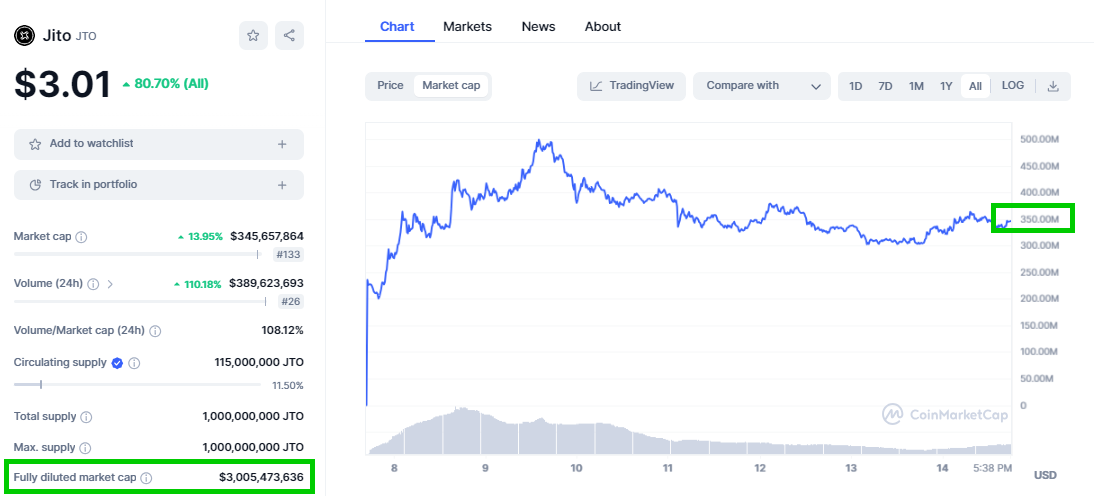
Jito transforms standard Solana staking into an income generator by bundling transaction tips and maximizing MEV (Maximal Extractable Value) for validators. Instead of passive holding, your SOL earns base staking rewards plus a share of these additional profits. Always verify the validator’s commission rate before delegating.
7. Drift: Perpetuals and advanced trading
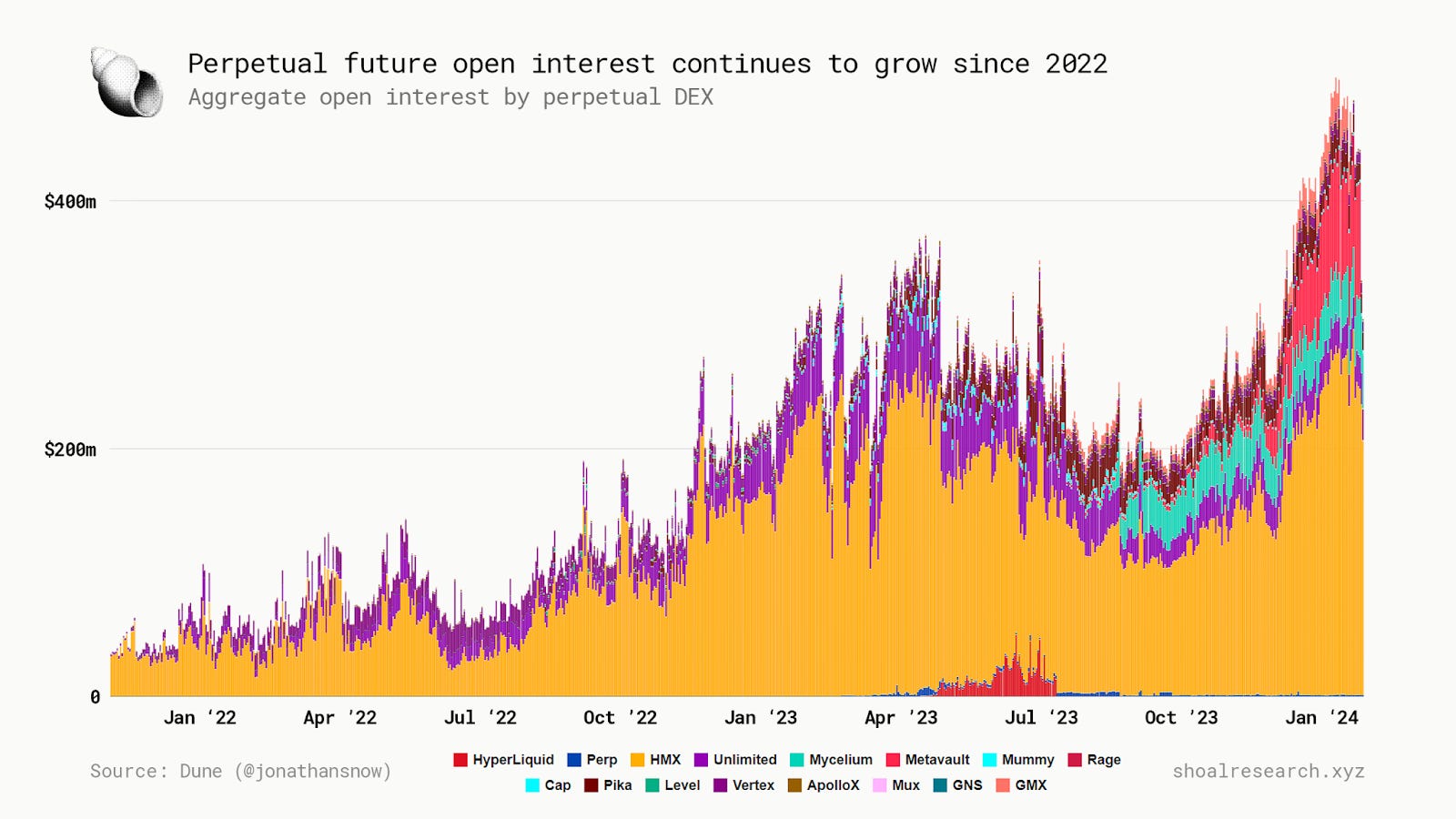
Drift offers a non-custodial perpetual exchange on Solana, allowing traders to use up to 50x leverage without wrapping assets. The platform features a unique order book model that reduces slippage compared to typical AMM DEXs. This professional-grade terminal accessible directly from your wallet offers depth and precision for serious market participants who demand control over their positions.
8. Marinade: Liquid staking made simple
Marinade simplifies liquid staking by automatically optimizing validator selection to maximize yields while keeping your assets liquid. You receive mSOL, a token that represents your staked SOL plus accrued rewards, which you can use across other DeFi protocols. It’s the ultimate hybrid strategy: earning staking APY while maintaining the flexibility to trade or provide liquidity with your underlying capital.

9. Raydium Concentrated Liquidity: Precision market making
Raydium’s Concentrated Liquidity (CLMM) allows liquidity providers to allocate capital within specific price ranges, drastically increasing capital efficiency. Unlike traditional AMMs, this feature lets you act like a professional market maker, earning higher fees per dollar deployed by focusing on active trading zones. It requires more active management but offers superior returns for those who understand price volatility dynamics.
10. Jupiter Limit Orders: Advanced execution strategies
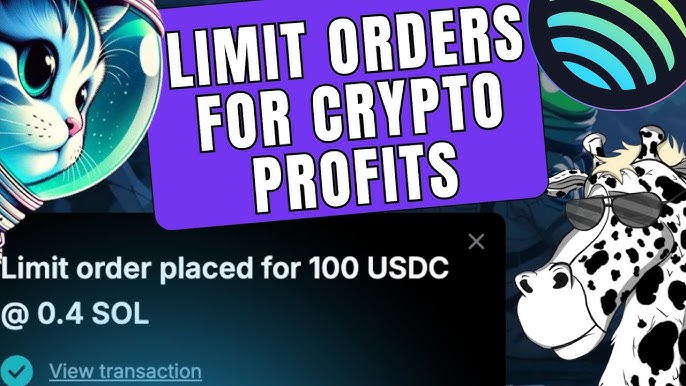
Jupiter now supports limit orders, giving traders the ability to set specific entry and exit prices without constant monitoring. This feature bridges the gap between simple DEX swaps and centralized exchange sophistication, allowing for precise execution strategies like trailing stops. It’s a crucial tool for managing risk in volatile markets, ensuring you buy low and sell high without being glued to your screen.
Quick comparison of Solana DeFi platforms
The Solana DeFi platforms landscape is vast. To help you cut through the noise, we’ve ranked the top contenders by Total Value Locked (TVL), a standard measure of trust and capital depth. This table gives you a snapshot of where each protocol stands, whether you’re looking to trade, lend, or stake.
| Platform | Category | TVL (USD) | Key Assets |
|---|---|---|---|
| Raydium | DEX | ~$350M | SOL, USDC, BONK |
| Orca | DEX | ~$180M | SOL, USDC, USDT |
| Jupiter | DEX Aggregator | ~$400M+ | All Solana tokens |
| Kamino | Lending | ~$1.5B | SOL, USDC, USDT, JUP |
| MarginFi | Lending | ~$250M | SOL, USDC, mSOL |
| Drift | Perps | ~$120M | SOL, USDC |
| Jito | Liquid Staking | ~$1.2B | SOL (jitoSOL) |
| Marinade | Liquid Staking | ~$400M | SOL (mSOL) |
| Lulo | Yield Savings | ~$800M | USDC |
| Tulip | Yield Farming | ~$50M | SOL, USDC |
While TVL is a useful starting point, it doesn’t tell the whole story. A protocol with high TVL might have concentrated liquidity in a single risky asset, while a smaller DEX might offer better swap rates. Always verify current metrics on DefiLlama before connecting your wallet, as these numbers shift with market volatility.
How to choose the right Solana DeFi platform
Picking the right Solana DeFi platforms comes down to matching your specific goal to the protocol’s design. Whether you are trading, lending, or staking, each activity requires a different set of tools and risk tolerances. Use this framework to evaluate the ecosystem without getting lost in the noise.
Be specific about what you want to achieve. Are you looking to swap tokens with low slippage, lend assets for yield, or stake SOL for network rewards? Your primary intent determines which category of Solana DeFi platforms you should evaluate first.
Security is non-negotiable in DeFi. Check the Total Value Locked (TVL) and recent audit reports. High TVL often signals community trust, but always verify the protocol’s code has been audited by reputable firms to minimize smart contract risk.
Solana is known for low fees, but they vary by platform. Test the user interface (UI) on a small amount first. A clean, intuitive UI reduces the chance of costly errors like sending tokens to the wrong address or approving unlimited spending allowances.

Active communities often indicate a platform’s longevity and responsiveness. Look for active Discord or Telegram channels and official documentation. Platforms with strong support are more likely to resolve issues quickly and communicate updates transparently.


As an Amazon Associate, we may earn from qualifying purchases.
Frequently asked questions about Solana DeFi platforms
Solana DeFi platforms have rapidly evolved, offering speed and low costs that attract traders and yield seekers. Because the ecosystem moves fast, common questions often revolve around identifying the biggest players and understanding the landscape's structure. Below are direct answers to the most frequent queries, based on current data from official trackers and primary sources.
When using these platforms, remember that higher yields often correlate with higher risks. Stick to protocols with audited code and established track records to mitigate potential pitfalls.
No comments yet. Be the first to share your thoughts!