
Start with solana wallets
Your wallet is the gateway to every platform on this list. Without a secure, compatible interface, staking rewards and DEX efficiency remain out of reach. We selected wallets based on three criteria: native Solana support, integrated staking capabilities, and compatibility with the trading bots reviewed later in this guide.
For most users, a hot wallet like Phantom or Solflare provides the best balance of ease and security. Phantom offers a polished interface and deep integration with Solana dApps, while Solflare appeals to users who prioritize advanced staking controls. Both are free to use and support hardware wallet connections for larger holdings.
5 Solana DeFi Platforms and Trading Bots for 2026: Maximizing Staking Rewards and DEX Efficiency
Solana’s 2026 DeFi landscape demands tools that balance high-yield staking with low-latency execution. We evaluated five platforms and bots based on concrete tradeoffs in fee structures, slippage protection, and wallet integration. The following selections prioritize practical efficiency for active traders and yield seekers.
1. Jupiter Exchange DEX Aggregation
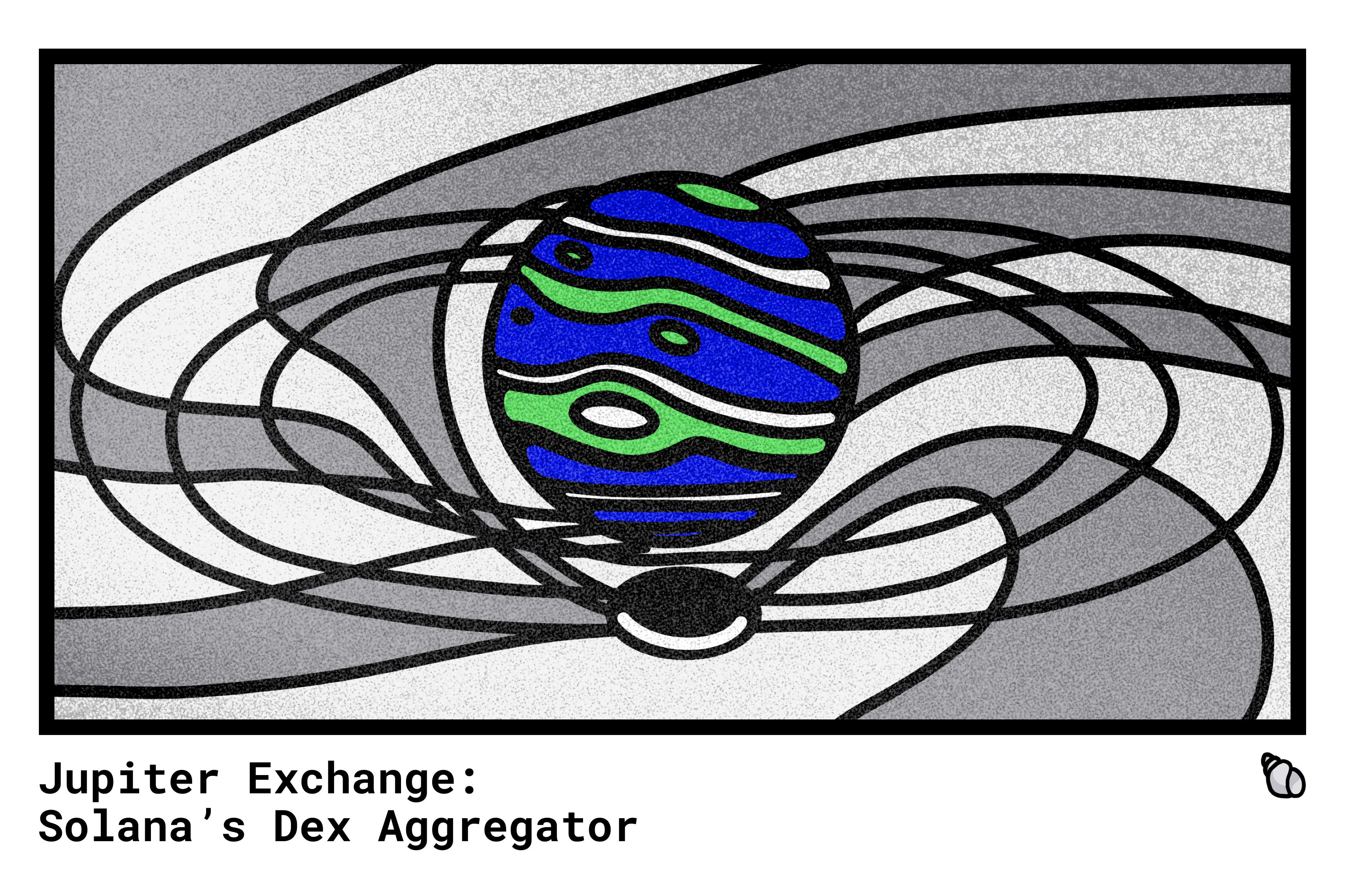
Jupiter acts as the central liquidity hub for Solana, aggregating prices across multiple decentralized exchanges to ensure traders receive the best possible execution rates. Its limit orders and DCA features provide sophisticated tools for managing entry and exit points without relying on centralized intermediaries. This aggregation reduces slippage significantly during high volatility periods.
2. Drift Protocol Perpetual Trading
Drift Protocol offers a high-performance decentralized exchange specifically designed for perpetual futures trading on Solana. It features an order book model that mimics centralized exchanges, allowing for precise stop-losses and take-profit orders directly on-chain. The platform’s low latency ensures that traders can execute complex strategies without the delays often associated with automated market makers.
3. Raydium Liquidity Pool Automation
Raydium combines an automated market maker with a central limit order book, providing deep liquidity for spot trading and yield farming. Users can provide liquidity to concentrated pools to maximize capital efficiency, earning higher yields from trading fees. The platform’s integration with Serum allows for seamless interaction between order book liquidity and AMM pools, creating a robust ecosystem for token swaps and liquidity provision.
- Concentrated liquidity
- High yield farming
- Serum integration
4. MarginFi Leveraged Lending Markets
MarginFi enables users to deposit assets as collateral to borrow other tokens, effectively creating leveraged positions within the Solana DeFi ecosystem. The platform’s algorithmic interest rates adjust dynamically based on supply and demand, ensuring efficient capital allocation. Users can earn yield on their deposited assets while simultaneously borrowing against them, optimizing their portfolio returns without needing to sell their underlying holdings.

5. Blaze AI Trading Bot Integration
Blaze integrates artificial intelligence to automate trading strategies on Solana, allowing users to set complex conditions for buying and selling tokens. The bot monitors market trends in real-time, executing trades based on predefined parameters such as price movements, volume spikes, or technical indicators. This automation reduces the emotional stress of trading and ensures that opportunities are captured even when users are not actively monitoring the markets.

Pick the right fit
Choosing a Solana DeFi platform or trading bot comes down to matching your technical comfort with your risk tolerance. There is no single best option; the right choice depends on whether you prioritize self-custody security or automated yield generation.
Start by defining your primary goal. Are you staking SOL for passive rewards, or do you need a bot to execute trades on Raydium and Jupiter? Your answer dictates the software stack you need.
1. Verify Wallet Compatibility
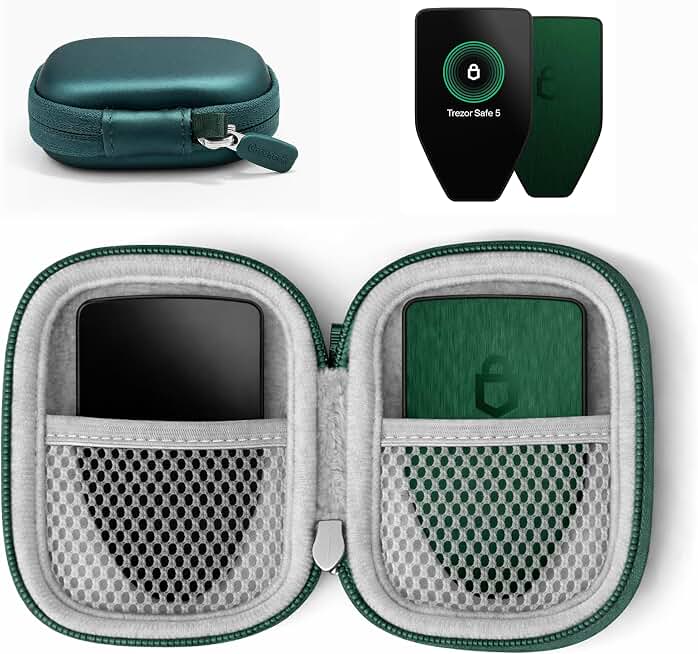
Your wallet is the gateway to all Solana DeFi activity. Phantom and Solflare are the two most widely supported wallets, offering seamless integration with major DEXs and NFT marketplaces. For larger holdings, consider a hardware wallet like Ledger for cold storage, but ensure it supports Solana natively.
2. Assess Security Features
Security is non-negotiable in DeFi. Look for platforms that offer transaction simulation, which previews the outcome of a trade before you sign it. This feature helps prevent malicious approvals and failed transactions. Avoid platforms that require excessive token approvals or lack clear audit reports.
3. Compare Fee Structures
Trading bots and platforms often charge subscription fees, performance fees, or a percentage of profits. Calculate the break-even point: does the potential yield or trade efficiency justify the cost? For occasional traders, a simple DEX interface may be more cost-effective than a monthly bot subscription.
4. Check Liquidity and Slippage
For DEX platforms, liquidity depth matters. Low liquidity leads to high slippage, which erodes profits. Check the platform’s total value locked (TVL) and average slippage rates on popular pairs like SOL/USDC. Higher TVL generally means better price execution.
5. Review Community and Support
Active communities indicate a platform’s reliability. Look for transparent documentation, regular updates, and responsive customer support. Platforms with active Discord or Telegram channels often resolve issues faster, which is critical when dealing with volatile crypto markets.
| Criterion | What to Look For |
|---|---|
| Wallet | Phantom or Solflare for hot wallets; Ledger for cold storage |
| Security | Transaction simulation, audit reports, and non-custodial options |
| Fees | Low subscription costs or performance-based fees only |
| Liquidity | High TVL and low slippage on major trading pairs |
| Support | Active community channels and clear documentation |
5 Solana DeFi Platforms and Trading Bots for 2026: Maximizing Staking Rewards and DEX Efficiency FAQ
Which wallet is best for Solana? Phantom and Solflare are the top choices for most users, offering seamless integration with Solana DeFi protocols and DEXs. Phantom is widely regarded as the industry standard for its intuitive interface, while Solflare provides advanced features like token swapping and staking directly within the wallet. For cold storage, Ledger and Keystone offer secure hardware solutions that keep your private keys offline.
Is Phantom or Solflare better? Phantom generally wins for beginners due to its user-friendly design and broad ecosystem support. Solflare is often preferred by advanced users who want more granular control over staking rewards and portfolio tracking. Both wallets support NFTs and payments, but Solflare’s built-in swap feature can save you a step when trading on decentralized exchanges.
What are the most profitable Solana wallets? Profitability in Solana wallets comes from staking rewards, not the wallet itself. Phantom and Solflare both allow you to stake SOL directly, earning annual percentage yields (APY) that vary by validator. Exodus is another option, particularly for users who value customer support and multi-chain capabilities. The "best" wallet is the one that lets you stake securely and easily without high fees.
Who is the biggest Solana holder? Determining the single biggest Solana holder is complex due to the distribution of tokens across exchanges, foundation wallets, and large institutional investors. However, the Solana Foundation and major exchanges like Binance and Coinbase hold significant portions of the total supply. Individual whales often control large amounts, but their identities are frequently pseudonymous on-chain. For transparent tracking, tools like Solscan or DeFi Llama can help identify large holders.
Helpful gear
Use these product recommendations as a starting point, then choose the size, material, and price point that fit how you actually use the gear.



As an Amazon Associate, we may earn from qualifying purchases.
No comments yet. Be the first to share your thoughts!