
Solana DEX Landscape: 2026 Status
The Solana decentralized exchange (DEX) space has grown a lot since its early days. It used to be sparse, but now there are many options thanks to DeFi adoption on Solana. DEXs offer more complex tools and features now. Picking the right DEX matters for traders and liquidity providers because it affects trading costs and potential returns.
Jupiter, Orca, and Raydium have different strategies. Jupiter focuses on aggregation, Orca on simplicity, and Raydium uses a hybrid approach. Each platform meets different needs, but users still want to minimize trading fees and maximize liquidity. Innovation is fast, so today's best practices might not last.
Order types are more advanced now. Besides simple swaps, limit orders and post-only orders are common for precise trade execution. This complexity means users need to understand each DEX's features to use them well. As Solana scales, these platforms will be important for accessing DeFi opportunities.
Jupiter: Aggregation and Order Flow
Jupiter is a leading DEX aggregator on Solana. It doesn't work like a traditional automated market maker (AMM). Instead, Jupiter pulls liquidity from multiple DEXs, like Orca and Raydium. Its main value is finding the best execution price for a trade by routing orders through existing liquidity.
Jupiter's main benefit is minimizing slippage, which is the difference between the expected and actual trade price. By routing orders through efficient pools, Jupiter aims for the best price, especially for large trades. It uses algorithms to find optimal liquidity sources. The Jupiter V6 upgrade improved this with more flexible order types.
Jupiter V6 added limit orders and post-only orders, going beyond simple market swaps. These let traders set buy or sell prices for more control. Jupiter is becoming a central hub for Solana DeFi, integrating with wallets and other protocols. It's also used for sniper bots and MEV extraction, which has its own implications.
Jupiter's success depends on the Solana DeFi ecosystem. Its aggregation ability relies on diverse and competitive pools on other DEXs. Its team works on new standards and infrastructure to make Solana DEXs more efficient.
Orca: Simplicity and User Experience
Orca focuses on user experience, aiming to be the most accessible and intuitive DEX on Solana for newcomers. Its interface is clean and straightforward, reducing the learning curve. This simplicity doesn't sacrifice functionality.
Orca uses "Whirlpools," a concentrated liquidity AMM. Whirlpools let liquidity providers focus capital in a specific price range, improving capital efficiency and reducing slippage for traders. This is better than traditional AMMs with wider ranges. Orca's fees are also accessible, with competitive and transparent rates.
While Jupiter finds the best price across sources, Orca offers a seamless trading experience within its own pools. It's good for users who want ease of use and a streamlined interface. Orca integrates with popular Solana projects like wallets and portfolio trackers, making it more usable. It's a solid choice for everyday swaps and simpler trading strategies.
Orca's focus on user-friendliness makes it a popular entry point for new DeFi users on Solana. Its accessibility drives its growth and adoption.
Raydium: AMM and Order Book Hybrid
Raydium is a hybrid exchange on Solana, combining automated market makers (AMMs) and order books. It was built with Serum, an order book DEX, and still uses its AMM features while exploring new integrations. Raydium has historically been a gateway for Solana project launches.
Raydium’s Launchpad is popular for new projects raising capital and gaining exposure. This drives trading volume, as new tokens often list on Raydium first. The Launchpad also offers liquidity mining, letting users earn rewards for providing liquidity to new token pairs.
Raydium's fee structure is standard for an AMM DEX, usually 0.2% to 0.3% per trade, depending on the pool. Liquidity providers get a share of these fees. Raydium's complexity comes from its ties to Serum and navigating both AMM pools and potential order book integrations, making it harder for new users than Orca's interface.
Raydium has a steeper learning curve than Jupiter and Orca, needing a deeper understanding of AMM and order book dynamics. However, its Launchpad and liquidity mining appeal to experienced traders and liquidity providers. Its future relies on adapting to the changing Solana DEX landscape and staying relevant as a launchpad.
Fee Structures: A Detailed Breakdown
Comparing trading fees across Jupiter, Orca, and Raydium means understanding each platform's model. Jupiter, as an aggregator, doesn't charge a protocol fee; it passes on fees from the DEXs it uses. Orca usually charges a flat 0.3% fee per trade, split between liquidity providers and the Orca protocol. Raydium's fees range from 0.2% to 0.3%, depending on the pool.
The total trade cost isn't just the protocol fee. Liquidity provider fees, network congestion, and slippage add to the expense. High network activity on Solana can increase trading costs on any DEX. Jupiter's aggregation reduces slippage but doesn't eliminate network congestion fees.
For example, a $1,000 SOL/USDC trade on Orca might cost $3 in protocol fees. The same trade on Jupiter, routed through Raydium at a 0.2% fee, could cost $2.80. However, high network congestion on Solana could add $0.50 to $1 to either trade. These costs change quickly.
These are approximate figures. Actual fees depend on the trading pair, liquidity depth, and network conditions. Tools like Solscan can help estimate transaction fees before trading.
Solana DEX Comparison 2026: Jupiter, Orca, and Raydium
| Feature | Jupiter | Orca | Raydium |
|---|---|---|---|
| Trading Fees | Generally lower due to aggregator model | Competitive, straightforward structure | Can be higher, dependent on pool |
| Slippage Tolerance | Offers more control, potential for tighter slippage | Designed for user-friendly experience, moderate slippage | Slippage varies significantly by pool and token |
| Gas Fees | Predictable, optimized for efficiency | Generally predictable, optimized for Solana | More variable, can be higher during network congestion |
| Liquidity | Aggregates liquidity from multiple sources, often deepest | Good liquidity for popular pairs | Liquidity concentrated in specific pools, can be fragmented |
| Complexity | More advanced interface, better for experienced traders | User-friendly, simple interface | Requires some understanding of AMM mechanics |
| Order Types | Supports limit orders and other advanced options | Primarily focused on simple swaps | Supports automated market maker (AMM) functionality |
| Overall Cost | Best value for larger trades and optimal execution | Competitive for standard swaps | Cost-effective within established pools |
Qualitative comparison based on the article research brief. Confirm current product details in the official docs before making implementation choices.
Liquidity: Depth and Availability
undefined trading pair. For popular pairs like SOL/USDC, all three DEXs offer substantial liquidity.
Orca’s Whirlpools provide concentrated liquidity, meaning more capital is available within a specific price range. This can result in lower slippage for trades within that range, but it also means that liquidity is less available outside of it. Raydium’s liquidity is distributed across both AMM pools and, historically, through the Serum order book (though order book usage has declined).
For less common trading pairs, Jupiter often outperforms Orca and Raydium by tapping into liquidity sources that those platforms may not have access to. However, the difference in liquidity is narrowing as the Solana ecosystem matures and more liquidity is deployed across all DEXs. Liquidity provision mechanisms also differ: Orca rewards liquidity providers through its Whirlpools, Raydium through its AMM pools and Launchpad participation.
For example, SOL/BTC consistently has deeper liquidity on Jupiter compared to Orca or Raydium. However, for smaller-cap tokens, liquidity may be more evenly distributed or concentrated on Raydium due to its Launchpad activity. Monitoring liquidity depth on each DEX is crucial for traders seeking optimal execution.
2026 Projections: What to Expect
Looking ahead to 2026, we can anticipate continued innovation and competition among Solana DEXs. Jupiter is likely to solidify its position as the leading aggregator, potentially expanding its functionality to include more sophisticated order types and integrations with other DeFi protocols. Orca will likely double down on user experience, aiming to become the go-to DEX for newcomers.
Raydium’s future is somewhat more uncertain. Its success will depend on its ability to adapt to the changing landscape and maintain its relevance as a launchpad for new projects. Evolving regulations surrounding DeFi could also impact the operations of all three DEXs, potentially requiring them to implement stricter KYC/AML procedures. Increased regulatory scrutiny is a significant risk.
We might see the emergence of new DEX models, such as privacy-focused exchanges or platforms specializing in specific asset classes. The integration of more advanced trading tools, such as charting and technical analysis, is also likely. Layer-2 scaling solutions could also play a role in reducing transaction fees and improving trading efficiency. The ongoing development of Solana itself will heavily influence the evolution of its DEX ecosystem.
Predicting the future is inherently uncertain. However, one thing is clear: the Solana DEX landscape will continue to evolve rapidly, offering users more choices, lower fees, and greater access to DeFi opportunities. The competition between Jupiter, Orca, and Raydium will ultimately benefit traders and liquidity providers.
Solana DEX Trading Tools & Resources
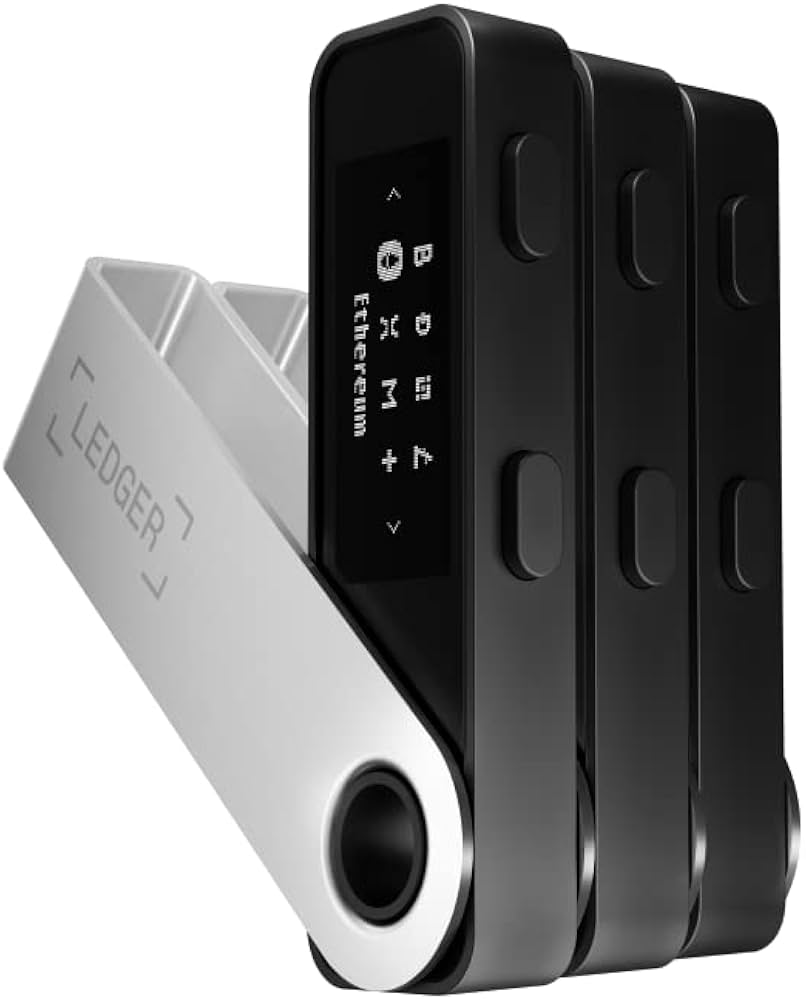
Securely store private keys for Solana and other cryptocurrencies · Hardware wallet for offline transaction signing · Supports a wide range of digital assets
Essential for securing private keys when interacting with Solana DEXs.
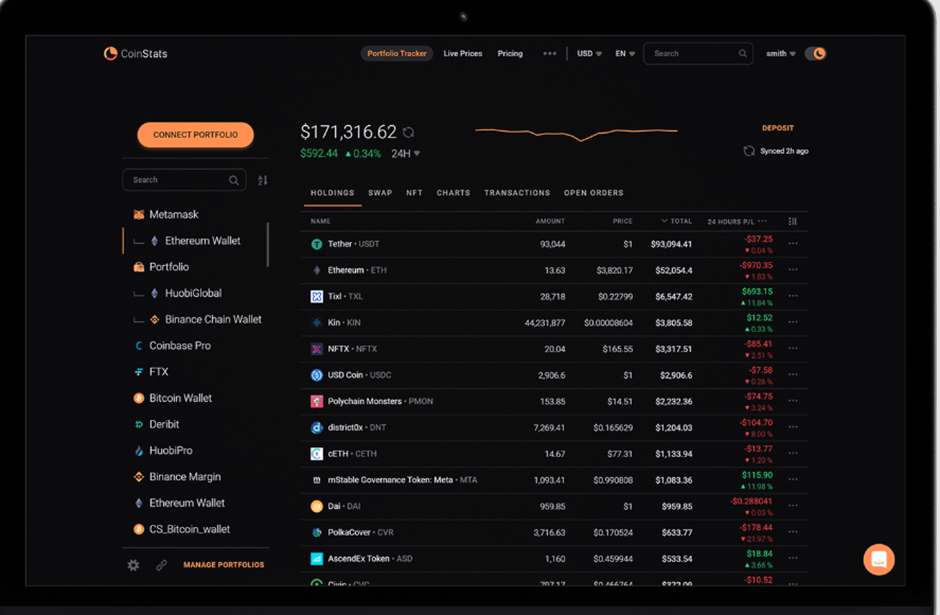
Aggregates DeFi portfolio across multiple blockchains including Solana · Real-time tracking of asset performance and trading history · Provides market insights and analytics
Enables users to monitor their Solana DEX trading performance and overall DeFi holdings.

User-friendly browser extension and mobile wallet for Solana · Seamless integration with Solana DEXs like Jupiter, Orca, and Raydium · Built-in staking and NFT support
A primary wallet solution for direct interaction with Solana decentralized exchanges.

Comprehensive Solana blockchain explorer · Provides real-time transaction data, account information, and token details · Offers analytics on DEX activity and liquidity pools
Offers in-depth on-chain data crucial for analyzing Solana DEX trading fees and liquidity.
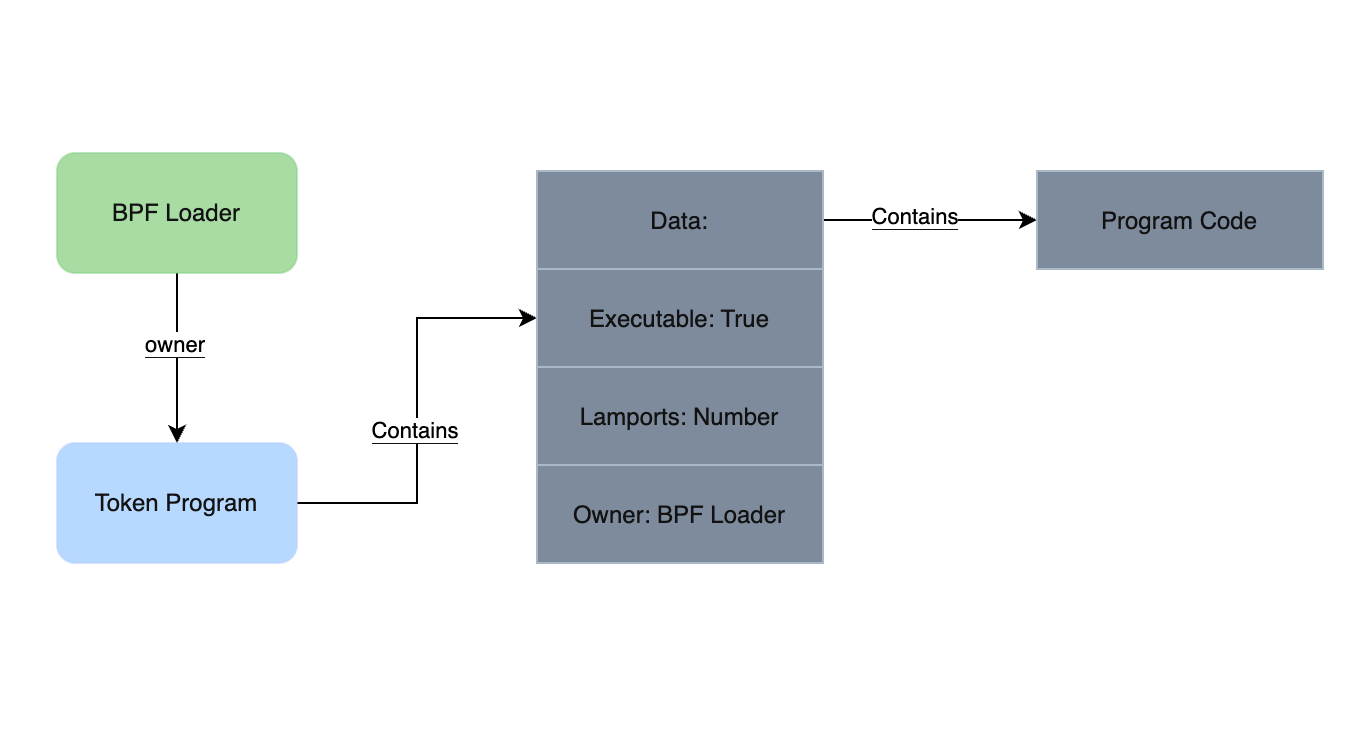
Official documentation for creating and managing tokens on Solana · Details on smart contract standards and best practices · Resources for developers building on the Solana ecosystem
Provides foundational knowledge for understanding the token mechanics underlying Solana DEX operations.
As an Amazon Associate I earn from qualifying purchases. Prices may vary.
No comments yet. Be the first to share your thoughts!