
Solana Wallets Budget (H2)
Picking a Solana wallet isn't just about finding the one with the flashiest interface; it's about matching your security needs to your budget and technical comfort. For most users, the cost is free, but the trade-off lies in custody and convenience. Self-custody wallets like Phantom and Solflare offer the highest security with no fees for basic transfers, making them the default choice for active traders and NFT collectors who value control over their keys.
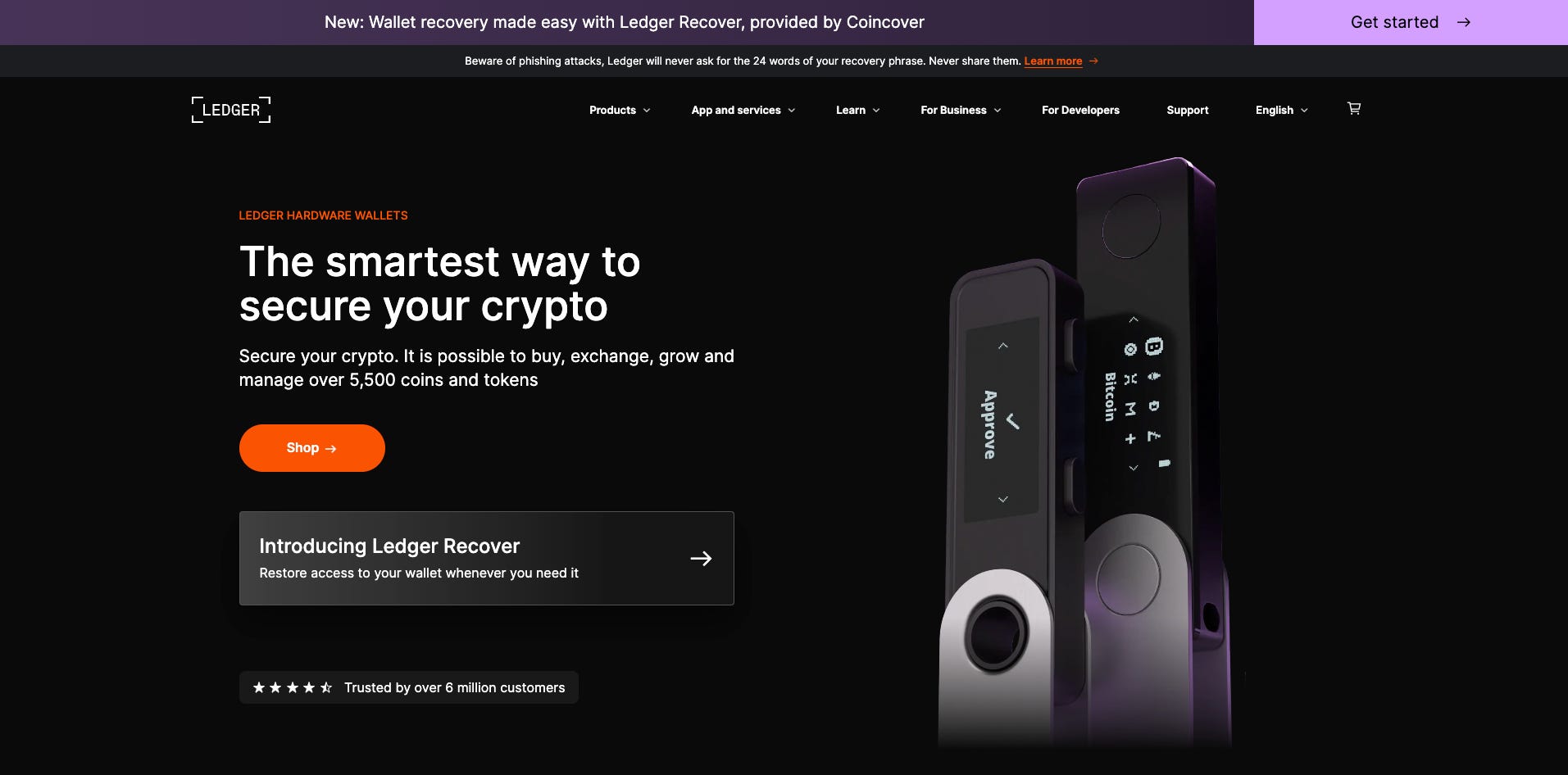
If you prefer a hands-off approach, hardware wallets provide an extra layer of protection for long-term holders. While these devices require an upfront investment, they keep your private keys offline, shielding them from digital threats. This is a practical insurance policy for significant holdings, balancing the convenience of software access with the robustness of cold storage solutions.
For those seeking the absolute lowest barrier to entry, software wallets remain the most accessible option. They support seamless integration with DeFi platforms and NFT marketplaces, allowing you to stake SOL or swap tokens instantly. The decision ultimately hinges on how much you value convenience versus the peace of mind that comes with self-custody and hardware security.
Shortlist real options
Choosing the right Solana wallet depends on whether you prioritize cross-chain convenience or deep ecosystem engagement. The market has settled around two primary contenders for daily use: Phantom and Solflare. Both are self-custody solutions that support staking, NFTs, and token swaps, but they serve slightly different user profiles.
Phantom remains the most popular choice for casual users and those active across multiple chains like Ethereum or Bitcoin. Its interface is polished, and its browser extension makes interacting with dApps straightforward. Solflare, while Solana-native, has gained significant traction for its robust staking features and customer support, appealing to users who want to maximize yields on their SOL holdings.
For those holding larger amounts, hardware wallets like Ledger or Keystone provide essential cold storage security. A common strategy among experienced users is a three-wallet system: a hardware wallet for long-term storage, a mobile app for daily spending, and a desktop extension for dApp interaction. This separation minimizes risk while maintaining liquidity.
The table below compares the core features of the top Solana wallets to help you decide which fits your workflow.
| Wallet | Type | Staking | Cross-Chain | Best For |
|---|---|---|---|---|
| Phantom | Hot Wallet | Yes | Yes | Casual users & multi-chain |
| Solflare | Hot Wallet | Yes | No | Deep Solana engagement |
| Ledger | Cold Wallet | Via App | No | Long-term security |
| Backpack | Hot Wallet | Yes | Yes | DeFi power users |
Inspect the expensive parts
Before you commit funds to any Solana wallet or DeFi platform, run through this inspection checklist. A single oversight in custody, key management, or smart contract approval can lead to total loss. This section focuses on the high-cost failure points that separate safe operations from catastrophic errors.
Ensure the wallet is truly non-custodial. You must hold the private keys or seed phrase. If the platform holds your keys, it is an exchange, not a self-custody wallet. Check if the seed phrase is generated offline and never transmitted digitally. Hot wallets like Phantom and Solflare generate keys locally on your device. Cold storage options like Ledger or Trezor keep keys air-gapped. Never enter your seed phrase into a website or app prompt.
Staking rewards are attractive, but delegation carries risk. Verify which validator you are staking with. Check their commission rate, uptime, and security history. A compromised validator can slash your stake. Look for wallets that allow easy switching between validators without withdrawing funds. Some platforms offer "liquid staking" which ties up your assets in a derivative token. Understand the lock-up periods and withdrawal delays before delegating.
DeFi platforms require you to approve token transfers. Many scams exploit this by asking for "unlimited" approval on your main assets. Always check the approval limit. Revoke unnecessary approvals regularly using tools like Solana Breakpoint or third-party revocation sites. Never approve contracts from unknown or unverified sources. A malicious contract with unlimited approval can drain your wallet instantly.
Before moving significant capital, send a small test transaction. Verify that you can receive funds, stake them, and withdraw them back to your main wallet. Test NFT transfers if you plan to use marketplaces. Check if the wallet supports all the tokens and NFTs you hold. Some wallets have limited token support or poor UI for specific SPL tokens. Ensure the interface is clear and error messages are helpful.
Plan for ownership costs
A wallet is not a one-time purchase; it is an ongoing relationship with your assets. The sticker price of a hardware device or a free app is only the entry fee. The real cost comes from the hidden fees, maintenance time, and opportunity costs that accumulate over months and years.
Hidden fees in "Free" wallets
Most software wallets like Phantom or Solflare are free to download, but they charge transaction fees on every action. On Solana, these are generally low, but frequent trading or interacting with complex DeFi protocols can add up. Additionally, some wallets take a cut of staking rewards. Always check if the wallet provider deducts a percentage from your APY before delegating.
The cost of hardware security
Hardware wallets like Ledger or Trezor offer superior security but introduce physical risks. If you lose the device and your recovery phrase, your funds are gone. There is also the risk of supply-chain tampering if purchased from unofficial sources. Factor in the cost of replacing the device every few years and the time required to set it up securely.
Opportunity cost of complexity
Complex wallets with advanced features often have steeper learning curves. Mistakes—like sending tokens to the wrong address or approving a malicious smart contract—can result in total loss. The "cost" here is the potential for error. For most users, a simpler wallet with robust security is more valuable than one with endless features you won't use.


As an Amazon Associate, we may earn from qualifying purchases.
Solana wallet: what to check next
Choosing the right Solana wallet depends on how you plan to use the network. Most users need a hot wallet for daily transactions, while long-term holders should consider cold storage for security.
Which wallet is the best for Solana?
Phantom is widely considered the best overall Solana wallet due to its intuitive interface, fast transaction speeds, and deep integration with the Solana ecosystem. It supports native staking, NFT management, and DApp access out of the box, making it the default choice for most new and experienced users alike.
What are the best crypto wallets for Solana?
Beyond Phantom, top Solana-compatible wallets include Solflare, Backpack, and Exodus. Solflare offers robust staking tools and a clean interface for Solana-only users. Backpack provides advanced security features and a developer-friendly environment. Exodus is a multi-asset wallet with a user-friendly design, though it has fewer Solana-specific optimizations than Phantom or Solflare.
Is Phantom or Solflare better?
The choice between Phantom and Solflare depends on your priorities. Phantom is generally better for casual users and cross-chain activity, offering a seamless experience across multiple blockchains. Solflare is ideal for users deeply engaged with the Solana ecosystem, providing more granular control over staking rewards and a focus on Solana-specific features.
Could Solana hit $10,000?
While Solana has shown strong growth, most analysts consider a $10,000 price point highly unlikely in the near to medium term. Such a valuation would require a massive expansion of the total addressable market and significant changes in global macroeconomic conditions. Investors should focus on fundamentals and adoption metrics rather than speculative price targets.
No comments yet. Be the first to share your thoughts!