
Solana Wallets: Balancing Cost, Age, and Condition
Choosing a Solana wallet requires looking past the sticker price to evaluate total cost of ownership. The landscape splits between software wallets, which are free but rely on device security, and hardware wallets, which offer physical isolation at a higher upfront cost. For most users, the tradeoff centers on convenience versus the ability to recover funds if a device is lost or stolen.
Software wallets like Phantom and Solflare are the standard for daily activity. They are free, open-source, and integrate directly with Solana dApps for staking and NFT management. However, they are vulnerable to phishing and malware. If you hold significant value, relying solely on a hot wallet is risky. A single compromised seed phrase can drain the wallet instantly, with no customer support to reverse the transaction.
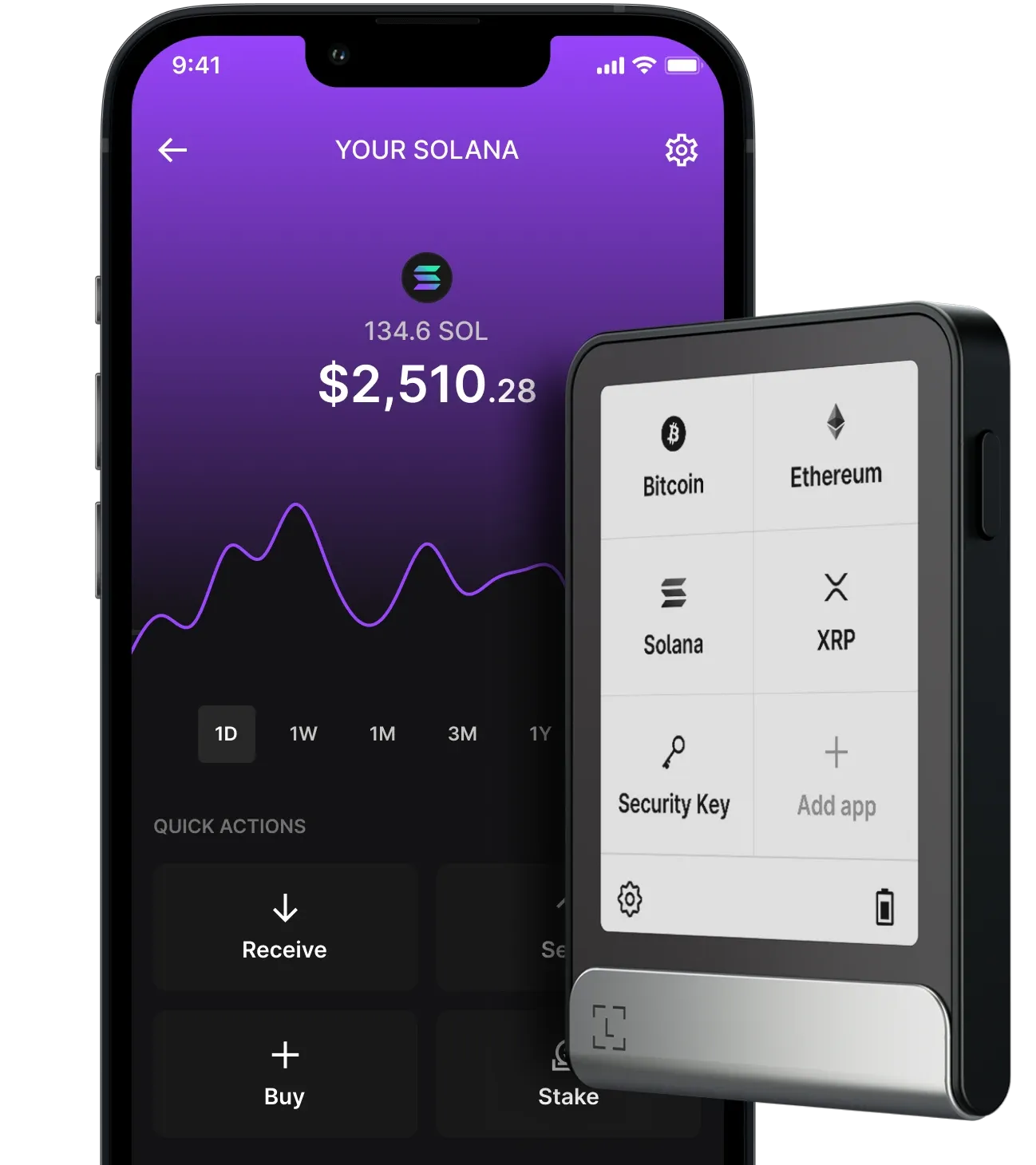
Hardware wallets such as Ledger and Keystone provide cold storage, keeping private keys offline. This adds a layer of security but introduces friction. You must physically confirm transactions, which slows down rapid trading. The initial investment ranges from $50 to $150, but it protects against remote attacks. Consider your holding size: for small amounts, a software wallet is sufficient; for long-term holds, hardware is the insurance policy.
When evaluating condition, prioritize wallets with active development and community trust. Phantom leads in user experience, while Solflare offers robust developer tools. For hardware, Ledger is widely supported but has faced past security controversies, whereas Keystone focuses on air-gapped security. Choose based on your risk tolerance and how often you interact with Solana DeFi.


As an Amazon Associate, we may earn from qualifying purchases.
Shortlist real options
Choosing the best Solana wallet depends on whether you prioritize ease of use, security, or specific DeFi features. The market has settled around a few reliable contenders that balance functionality with safety. Below is a direct comparison of the most prominent options to help you decide.
| Wallet | Type | Best For | Security |
|---|---|---|---|
| Phantom | Hot Wallet | General Use & NFTs | Seed Phrase |
| Solflare | Hot Wallet | Staking & DeFi | Seed Phrase |
| Ledger | Cold Storage | Long-Term Holding | Hardware Chip |
| Backpack | Hot Wallet | Trading & Beta | Seed Phrase |
Phantom remains the default choice for most users due to its intuitive interface and strong NFT integration. It supports a wide range of Solana applications and offers a seamless mobile experience, making it ideal for daily transactions and browsing dApps. Solflare offers a robust alternative with a focus on staking rewards and advanced portfolio tracking, appealing to users who want deeper control over their assets.
For significant holdings, hardware wallets like Ledger provide the highest level of security by keeping private keys offline. They integrate with Phantom and Solflare, allowing you to sign transactions securely without exposing your keys to the internet. Backpack is another emerging option, gaining traction among traders for its fast performance and experimental features, though it may be better suited for users comfortable with a steeper learning curve.
Inspect the expensive parts
Best Solana Wallets & DeFi Platforms works best as a clear sequence: define the constraint, compare the realistic options, test the tradeoff, and choose the path with the fewest hidden costs. That order keeps the advice usable instead of decorative. After each step, pause long enough to check whether the recommendation still fits the reader's actual situation. If it depends on perfect timing, unusual access, or a best-case budget, include a simpler fallback.
Plan for ownership costs
A wallet’s sticker price is only the entry fee. The real cost of ownership comes from maintenance, security upgrades, and the hidden friction of managing keys. When you buy a hardware wallet, you are buying a tool that must remain functional as the Solana ecosystem evolves. If a device stops supporting new token standards or dApp interfaces, it becomes expensive to replace, not just the initial purchase.
Consider the "three-wallet system" often recommended by the Solana community: a hot wallet for daily spending, a secondary hot wallet for active staking or DeFi interactions, and a cold storage device for long-term holdings. This setup adds complexity. You must track which wallet holds which assets, ensure firmware is updated on cold devices, and manage multiple seed phrases. The convenience of a single app like Phantom or Solflare fades when you prioritize security across different risk levels.
Maintenance surprises also include transaction fees and network congestion. While Solana fees are low, complex interactions—such as swapping on a DEX or minting an NFT—can require multiple transactions. If a wallet’s interface doesn’t clearly display estimated costs before signing, you might pay more in failed attempts or slippage than anticipated. Always check if your wallet provider charges any platform fees for staking rewards or NFT marketplace access, as some platforms take a cut on top of network fees.
When a cheap buy stops being cheap, it’s usually because the wallet lacks critical features like hardware integration or robust NFT management. Investing in a reputable hardware wallet like Ledger or Keystone upfront can save you from the stress of losing access to assets or paying high fees to recover them. The goal is to minimize ongoing friction, not just the initial outlay.


As an Amazon Associate, we may earn from qualifying purchases.
Solana wallet: what to check next
Choosing the right wallet depends on how you plan to use Solana. Here are answers to the most common questions about security, features, and storage.
No comments yet. Be the first to share your thoughts!