
How we picked the best Solana wallets
We evaluated Solana wallets using three core criteria: security architecture, user experience, and Solana-specific feature support. Our assessment prioritizes official documentation and verified security audits over influencer recommendations or marketing claims. This approach ensures that the wallets listed here meet rigorous standards for asset protection and functional reliability.
Security is the foundation of any self-custody solution. We examined how each wallet handles private key storage, whether through hardware isolation or software encryption, and verified their compliance with Solana’s multisig standards. We also reviewed their track record for transparency regarding vulnerabilities and bug bounties. Wallets that failed to provide clear, auditable security protocols were excluded from this list.
Beyond security, we tested the user experience and native support for Solana’s ecosystem. This includes seamless staking integration, accurate NFT metadata rendering, and transaction speed. A wallet may be secure, but if it cannot efficiently interact with Solana dApps or display your digital assets correctly, it fails the utility test. We focused on wallets that balance robust security with a frictionless interface for daily use.
Phantom Wallet: Best for daily DeFi use
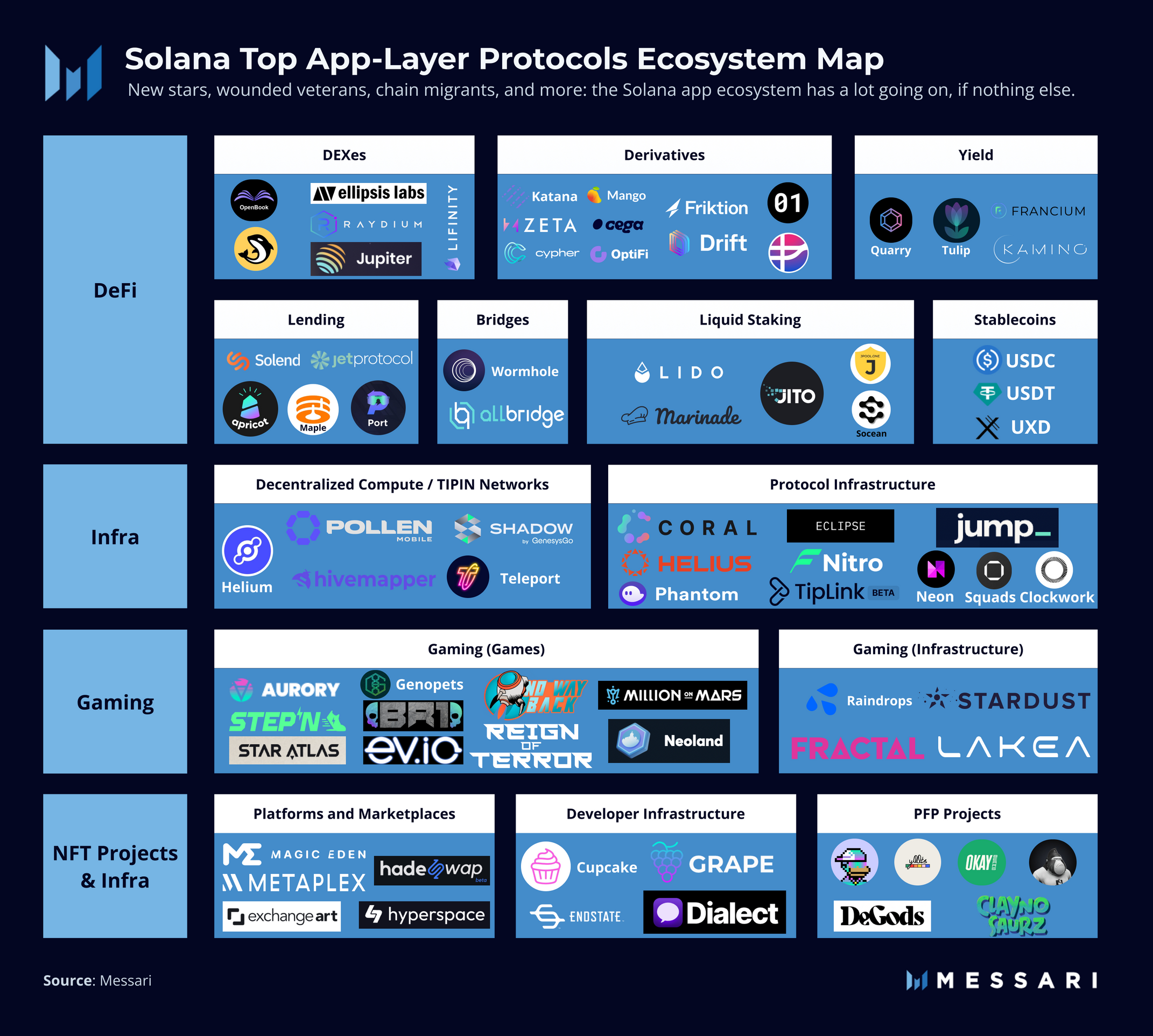
Phantom has evolved from a simple Solana interface into the primary gateway for the ecosystem's decentralized applications. With over 15 million users, it remains the default choice for interacting with Solana-based protocols. Its architecture prioritizes speed and simplicity, allowing users to swap tokens, provide liquidity, and manage assets without leaving the browser or mobile app.
The wallet’s most distinct advantage is its native dApp integration. Rather than relying on third-party bridges, Phantom connects directly to hundreds of decentralized exchanges, lending platforms, and gaming protocols. This seamless connectivity means transaction signing is immediate, reducing the friction that often slows down complex DeFi operations. For traders executing multiple swaps in a single session, this direct integration is a significant efficiency gain.
Beyond trading, Phantom offers robust built-in staking capabilities. Users can delegate SOL to validators directly from the dashboard, earning rewards without needing to use external platforms. The interface clearly displays annual percentage yields and validator performance metrics, helping users make informed decisions about where to stake their assets. This consolidation of staking and trading tools keeps the user experience focused and streamlined.
The integrated NFT viewer further solidifies Phantom’s position as an all-in-one hub. Users can browse, send, and display their digital collectibles alongside their financial assets. This unified view simplifies portfolio management, allowing holders to track both their speculative and functional tokens in a single interface.

Ledger Nano X: Best for cold storage security
The Ledger Nano X is a dedicated hardware wallet designed to keep your Solana private keys isolated from internet-connected devices. Unlike software wallets that store keys on your phone or computer, this device generates and stores cryptographic keys on a secure chip that never exposes them to the network. This air-gapped approach is the industry standard for securing high-value holdings against remote hacking attempts.
The device connects via Bluetooth to mobile devices or USB-C to computers, allowing you to manage your Solana portfolio on the go without compromising security. When you need to sign a transaction, the request is sent to the Ledger device, which verifies the details on its own screen. You physically confirm the action with the device's buttons, ensuring that no malicious software on your host device can alter the transaction details or steal your funds.
Ledger supports Solana natively through the official Ledger Live application. This integration allows you to view your SOL balance, send transactions, and manage associated SPL tokens directly from the desktop or mobile app. The security architecture relies on the Secure Element chip, which is certified to common criteria standards, providing a hardened environment for key storage.
For those prioritizing maximum security for long-term Solana holdings, the Ledger Nano X offers a robust physical barrier against digital threats. It is a reliable choice for users who need mobile connectivity without sacrificing the offline security of cold storage.

As an Amazon Associate, we may earn from qualifying purchases.
Solflare: Best for advanced staking features
Solflare distinguishes itself from Phantom by prioritizing institutional-grade tools for Solana validators and power users. While Phantom remains the default for casual dApp interactions, Solflare offers a deeper layer of control over delegation and asset management. It serves as the preferred alternative for users who require granular oversight of their staking positions and multi-signature security protocols.
Native Staking and Delegation
Solflare’s staking interface is built for precision. Users can delegate SOL to validators directly within the wallet, tracking real-time rewards and commission rates without navigating to external dashboards. The platform supports auto-compounding strategies, allowing rewards to be automatically restaked to maximize yield. For advanced users, Solflare provides detailed validator performance metrics, including uptime history and slash events, enabling data-driven delegation decisions.
Multi-Signature Security
Security is a primary differentiator for Solflare. The wallet supports multi-signature (multi-sig) wallets, requiring multiple private keys to authorize transactions. This feature is essential for DAOs, treasuries, or high-net-worth individuals who need to mitigate the risk of single-point failure. Unlike Phantom’s standard single-key architecture, Solflare’s multi-sig implementation allows for customizable threshold configurations, ensuring that no single compromised key can drain assets.
Robust NFT Management
Solflare offers comprehensive NFT management tools that go beyond simple viewing. Users can sort, filter, and inspect NFT metadata directly within the wallet interface. The platform supports batch operations for NFT transfers and approvals, streamlining workflows for collectors and traders. Additionally, Solflare integrates with major Solana NFT marketplaces, allowing for seamless buying and selling without leaving the wallet environment.
Phantom, Ledger, and Solflare Feature Comparison
Choosing a Solana wallet depends on your security requirements and device compatibility. The table below outlines the core differences between Phantom, Ledger, and Solflare to help you select the right tool for your needs.
| Feature | Phantom | Ledger | Solflare |
|---|---|---|---|
| Security Type | Software (Non-custodial) | Hardware (Cold Storage) | Software (Non-custodial) |
| Platform Support | Mobile, Desktop, Browser Extension | Ledger Nano S/X, Ledger Stax | Mobile, Desktop, Browser Extension |
| NFT Capabilities | Integrated Gallery & Metadata | View-only (via Ledger Live) | Integrated Gallery & Metadata |
| Staking Support | Direct in-wallet staking | Requires Ledger Live | Direct in-wallet staking |
Phantom and Solflare offer robust software-based solutions with integrated NFT galleries and direct staking capabilities. Ledger provides hardware-level security for cold storage, though its NFT and staking features require interaction with the Ledger Live desktop application.
Secure your Solana assets: setup checklist
Securing your Solana wallet requires more than just installing software or connecting a hardware device. You must establish a verification routine that confirms your identity on-chain before moving significant value. This process minimizes the risk of interacting with malicious contracts or losing access to your funds.

Generate your recovery phrase on a secure, air-gapped device. Write it down on paper or metal and store it in a fireproof safe. Never store this phrase digitally, in the cloud, or as a screenshot, as these methods are vulnerable to malware and data breaches.
Always verify the first and last characters of your public address on the device’s physical screen. This prevents man-in-the-middle attacks where clipboard hijackers replace your address with a scammer’s wallet before you send funds.
For high-value holdings, use Solana’s multisig wallet capabilities. This requires multiple private keys to authorize a transaction, effectively removing single points of failure and preventing unauthorized access even if one device is compromised.
Before transferring your primary balance, send a minimal amount of SOL to confirm that your wallet is correctly configured and that you can successfully receive and access the funds. This final verification step ensures your setup is functional.
Frequently asked questions about Solana wallets
Is Phantom wallet safe for holding Solana?
Phantom is a non-custodial browser and mobile extension, meaning you hold your own private keys rather than entrusting them to a third party. This structure provides greater control over your assets but requires strict personal security hygiene. You must safeguard your 12-word recovery phrase offline, as Phantom support cannot recover lost keys. For significant holdings, consider pairing Phantom with a hardware wallet for cold storage.
Can I use a Ledger hardware wallet with Solana DeFi?
Yes, Ledger devices support Solana natively, allowing you to sign transactions securely without exposing private keys to your internet-connected computer. This setup is widely recommended for high-stakes users seeking maximum protection against phishing and malware. You can interact with Solana dApps and NFT marketplaces through Ledger Live or by connecting your Ledger to Phantom, combining hardware security with user-friendly interface access.
What are the costs associated with using Solana wallets?
Most software wallets like Phantom and Solflare are free to download and use. However, every transaction on the Solana blockchain requires a small network fee, typically a fraction of a cent, paid in SOL. Hardware wallets like Ledger involve an upfront purchase cost for the device itself. Always ensure you hold enough SOL in your wallet to cover these transaction fees when moving assets or interacting with decentralized applications.
No comments yet. Be the first to share your thoughts!