
The state of Solana trading
Solana's trading volume now rivals Ethereum's on most days. While early DEXs were basic swap tools, the current market is a fight between aggregators and high-speed liquidity pools. Traders aren't just looking for low fees anymore; they want deep liquidity and tools that prevent them from getting front-run by bots.
In late 2024, the Total Value Locked (TVL) across Solana DEXs is a significant figure, though it's been shifting as market preferences change. Raydium held a dominant position for a long time, but Jupiter has rapidly gained ground, largely due to its aggregation capabilities. Orca continues to carve out its niche with a focus on user experience.
Predicting the future is always risky—especially in crypto—but this is a current assessment of the major players as of late 2024. The speed of innovation on Solana means things can change quickly, so staying informed is crucial. We’re seeing a trend towards more sophisticated trading tools and a greater emphasis on capital efficiency.
Jupiter: The aggregator that won
Jupiter stands out as a DEX aggregator, meaning it doesn’t maintain its own liquidity pools. Instead, it sources liquidity from across multiple DEXs – Raydium, Orca, and others – to find the best possible price for users. This approach is a major advantage, as it reduces slippage and ensures traders get optimal execution.
The Jupiter V6 upgrade, released in late 2025, was a significant step forward. It introduced a redesigned user interface, improved order routing, and enhanced support for more complex trading strategies. V6 also focused on improving the overall user experience, making it easier for both beginners and experienced traders to navigate the platform.
Jupiter handles Miner Extractable Value (MEV) by routing trades through Jito-enabled validators. This stops bots from sandwiching your trades and, in some cases, actually kicks back a portion of the arbitrage profit to the user. It's a direct way to keep more money in your wallet.
The JUP token plays a central role in the Jupiter ecosystem. It's a governance token, allowing holders to vote on proposals and influence the platform's development. JUP holders also receive fee discounts and access to exclusive features. The token's utility has driven significant demand, contributing to its price appreciation.
Jupiter’s focus on capital efficiency is apparent in its design. By aggregating liquidity, it allows users to trade larger amounts with less impact on price. This is particularly important for larger trades, where slippage can be a major concern. The platform continuously explores new ways to optimize trading routes and reduce costs.
However, Jupiter’s reliance on other DEXs means its performance is ultimately tied to the health and liquidity of those platforms. If a key liquidity source experiences issues, it could impact Jupiter’s ability to provide optimal prices. This is a risk users should be aware of.
- Aggregates liquidity from every major pool on the network to find the best price.
- Key Upgrade: Jupiter V6 – improved UI, order routing, and MEV resistance.
- JUP Token: Governance, fee discounts, and exclusive features.
- MEV Mitigation: Strategies to protect users from negative MEV effects.
Essential Tools for Solana DeFi Traders
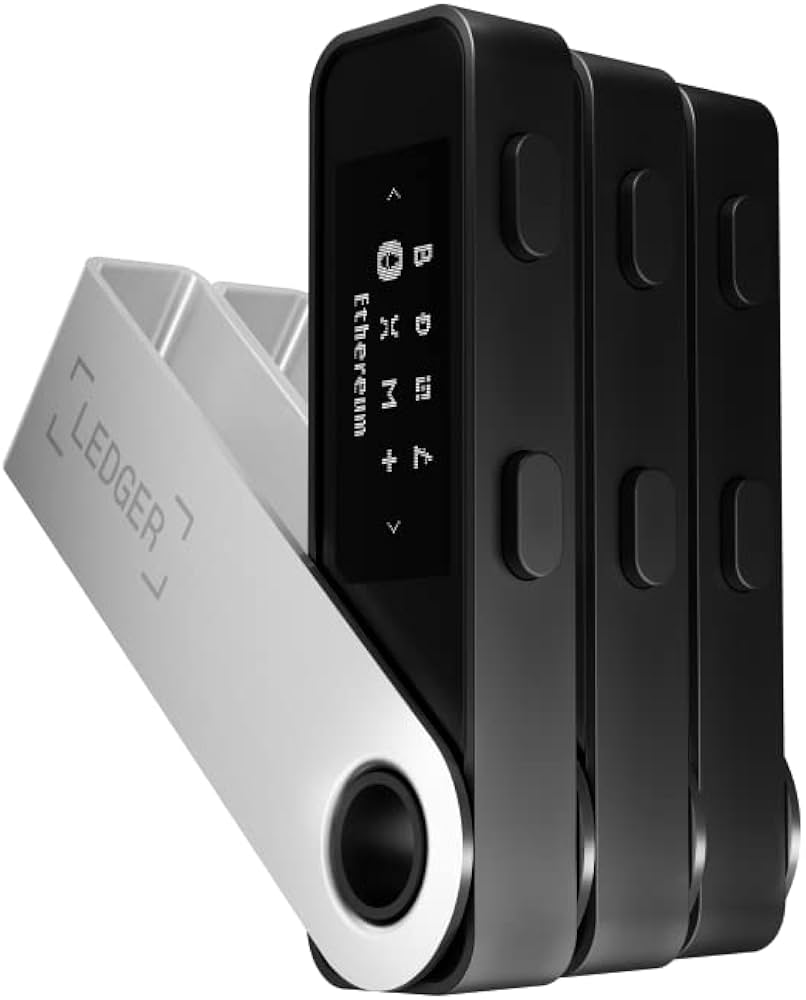
Securely store your private keys offline · Supports a wide range of cryptocurrencies · User-friendly interface for managing assets
This hardware wallet is a top choice for securely storing your Solana assets and interacting with DEXs.
Popular browser extension and mobile app · Connects to various blockchains including Solana (via third-party integrations) · Facilitates easy interaction with dApps
While primarily for Ethereum, MetaMask can be configured to interact with Solana dApps, offering a familiar interface for many.
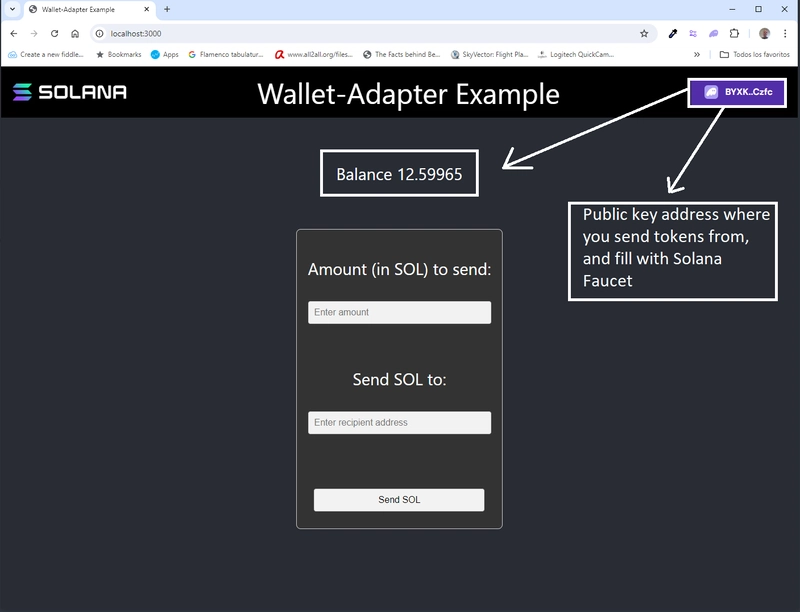
Native Solana wallet with a sleek design · Supports NFTs and token swapping directly within the wallet · Seamless integration with Solana dApps and DEXs
Phantom is the go-to wallet for the Solana ecosystem, offering an intuitive experience for trading on Jupiter, Raydium, and Orca.
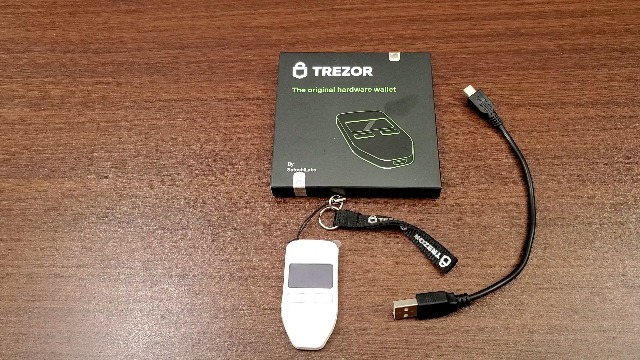
Robust security for your digital assets · Open-source firmware for transparency · Simple and intuitive display and navigation
Another excellent hardware wallet option, the Trezor Model One provides secure offline storage for your Solana holdings.
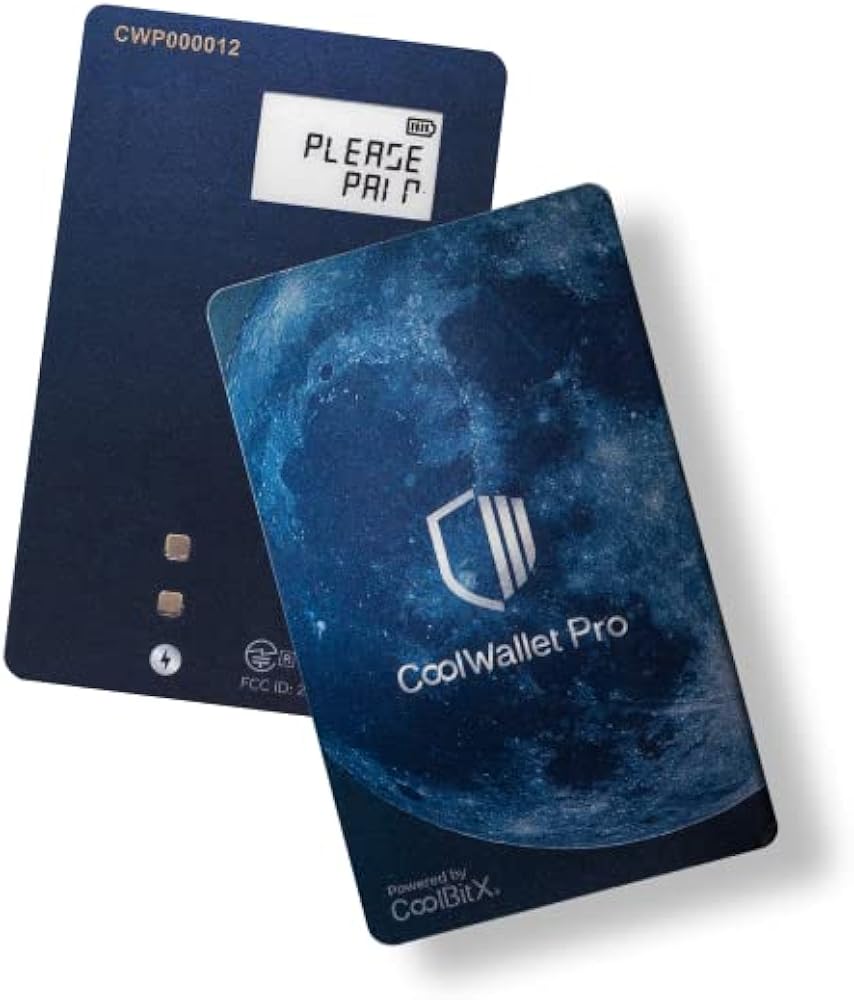
Bluetooth connectivity for mobile app control · Secure element chip for enhanced protection · Supports a wide array of cryptocurrencies and NFTs
For those who prefer mobile-first interaction, the CoolWallet Pro offers secure hardware storage with convenient app-based management for Solana trading.
As an Amazon Associate I earn from qualifying purchases. Prices may vary.
Raydium: Beyond AMM – Ecosystem Powerhouse
Raydium was the first automated market maker (AMM) on Solana, and it quickly became a cornerstone of the ecosystem. Initially, it focused on providing liquidity for Serum, a central limit order book (CLOB) DEX. This integration allowed Raydium to benefit from Serum’s order flow and offer competitive trading prices.
While Raydium still supports AMM pools, it has evolved into much more than just a DEX. It now plays a significant role in launching new projects through its Launchpad, providing a platform for fundraising and token distribution. This has cemented its position as a central hub for innovation on Solana.
The RAY token has several use cases within the Raydium ecosystem. It's used for staking, providing liquidity, and participating in governance. Staking RAY allows users to earn rewards and contribute to the security of the platform. Providing liquidity earns trading fees.
Raydium’s fusion pools are a unique feature. These pools combine the benefits of AMMs and order books, offering users greater flexibility and control over their trades. However, fusion pools can be more complex to use than traditional AMM pools, and they may require a deeper understanding of trading strategies.
Raydium is more of a project incubator than a simple swap site. Between its Launchpad and its deep ties to the Serum order book, it's where most new Solana tokens get their start. If you're hunting for a coin that launched five minutes ago, you'll probably find it here first.
However, Raydium’s reliance on Serum also presents a potential risk. Serum has faced challenges related to order book manipulation and front-running, which could indirectly impact Raydium’s users. The platform needs to continue to address these concerns to maintain its reputation.
Orca: Simple swaps and concentrated liquidity
Orca differentiates itself from Jupiter and Raydium by prioritizing a user-friendly interface and a simplified trading experience. It's designed to be accessible to beginners, with a clean and intuitive design that makes it easy to buy, sell, and swap tokens.
Orca utilizes Whirlpools, which are a type of concentrated liquidity AMM. Concentrated liquidity allows liquidity providers to specify a price range in which they are willing to provide liquidity, increasing capital efficiency and reducing slippage. This is a key advantage of Orca’s design.
The ORCA token is used for staking and providing liquidity on the platform. Staking ORCA earns rewards, and providing liquidity earns a share of trading fees. Orca also airdropped ORCA to early users, rewarding their participation in the ecosystem.
In a crowded market, Orca’s simplicity is its biggest strength. It’s a great option for users who are new to DeFi or who prefer a straightforward trading experience. However, this simplicity also comes with some limitations. Orca may not offer the same level of advanced trading features as Jupiter or Raydium.
The question is whether Orca's simplicity is a strength or a limitation. For many users, especially those new to DeFi, the ease of use is a major draw. But more experienced traders might find the platform lacking in advanced features and customization options. Orca’s success will depend on its ability to balance simplicity with functionality.
Fees, Speed, and Slippage: A Head-to-Head
Transaction fees on Solana are generally low, but they can vary depending on network congestion. Jupiter, as an aggregator, often finds the lowest-fee routes, but this isn’t always the case. Raydium and Orca both have their own fee structures, which are typically a small percentage of the trade volume.
For a $100 trade, Jupiter might charge around $0.20-$0.30, while Raydium could be slightly higher at $0.30-$0.40, and Orca around $0.25-$0.35. These are approximate figures, and actual fees can fluctuate. Larger trades will naturally incur higher absolute fees, but the percentage remains relatively consistent.
Transaction speeds on Solana are typically very fast, often completing in under a second. However, during periods of high network activity, speeds can slow down. Jupiter, Raydium, and Orca all benefit from Solana’s fast block times, but congestion can still impact performance.
Slippage is a crucial factor to consider. Jupiter generally offers the lowest slippage due to its aggregation capabilities. Raydium’s slippage can be higher, especially for less liquid trading pairs. Orca’s Whirlpools help to reduce slippage, but it can still be a concern for larger trades.
A $1,000 trade of a popular token like SOL might experience slippage of 0.1% on Jupiter, 0.2% on Raydium, and 0.15% on Orca. For a less liquid token, slippage could be significantly higher on all platforms. It’s important to check the estimated slippage before confirming any trade.
Solana DEX Comparison: Jupiter, Raydium, and Orca (2026)
| Feature Category | Jupiter | Raydium | Orca |
|---|---|---|---|
| Aggregator & Routing | Strongest aggregator, routes across multiple exchanges | Aggregates, but historically focused on Raydium pools | Simpler routing, focuses on direct pool swaps |
| Launchpad Capabilities | Developing launchpad features, gaining traction | Established launchpad with a history of project launches | Less emphasis on launchpad functionality |
| Liquidity Options | Access to broad liquidity via aggregation | Concentrated liquidity via Raydium pools and CLMM | Focus on user-friendly, permissionless pools (Whirlpools) |
| User Interface | Advanced features, potentially steeper learning curve | More complex interface with advanced trading options | Designed for ease of use, simpler interface |
| Token Utility | JUP token for discounts & governance | RAY token for staking, governance, and fee discounts | ORCA token for staking and boosted rewards |
| Security Considerations | Relatively newer, undergoing continuous audits | Longer history, multiple audits conducted | Regularly audited, focus on secure pool design |
| Order Book Integration | Leading integration with Serum order books | Integration with Serum order books | Primarily focused on Automated Market Maker (AMM) functionality |
Qualitative comparison based on the article research brief. Confirm current product details in the official docs before making implementation choices.
Liquidity and Trading Pairs: Where Can You Trade?
Raydium generally offers the widest range of trading pairs, thanks to its long-standing presence in the Solana ecosystem. It supports a vast number of tokens, including many newer and less established projects. Jupiter, while aggregating liquidity, is limited by the availability of pools on the underlying DEXs.
Orca focuses on supporting the most popular and liquid tokens. It doesn’t offer as many trading pairs as Raydium, but it ensures that the tokens it does support have sufficient liquidity. This helps to minimize slippage and provide a better trading experience.
Liquidity is concentrated on popular tokens like SOL, USDC, and ETH. Trading these tokens on any of the three DEXs should result in minimal slippage and fast execution. However, for less liquid tokens, it’s important to compare liquidity across the platforms before making a trade.
Some emerging tokens are exclusive to certain platforms, often launched through Raydium’s Launchpad. This can create trading opportunities for early adopters, but it also comes with increased risk. It’s important to do your research before investing in any new token.
All three DEXs primarily support SPL tokens, which are the standard token format on Solana. They may not support tokens from other blockchains without bridging or wrapping them. This is an important consideration for users who are holding tokens on other networks.
Security Considerations: Risks and Mitigation
Using DEXs carries inherent security risks. Smart contract vulnerabilities are a major concern, as are impermanent loss (for liquidity providers) and the potential for rug pulls (where project developers abandon a project and steal funds).
Jupiter, Raydium, and Orca all undergo regular security audits by reputable firms. These audits help to identify and address potential vulnerabilities in their smart contracts. They also offer bug bounty programs, incentivizing security researchers to find and report bugs.
However, audits are not foolproof and cannot guarantee the complete security of a platform. Users should always exercise caution and do their own research before using any DEX. This includes reviewing the project’s code, understanding the risks involved, and diversifying their holdings.
Impermanent loss is a risk for liquidity providers. It occurs when the price of the tokens in a liquidity pool diverges, resulting in a loss compared to simply holding the tokens. Users should understand the risks of impermanent loss before providing liquidity.
There have been isolated incidents of smart contract exploits on Solana DEXs, but none involving Jupiter, Raydium, or Orca to a significant degree. However, the risk of an exploit always exists, so it’s important to protect your funds by using a secure wallet and enabling two-factor authentication.
- Move your funds to a hardware wallet like a Ledger to keep keys offline.
- Enable two-factor authentication: Add an extra layer of security to your account.
- Do your research: Understand the risks before using any DEX.
- Diversify your holdings: Don’t put all your eggs in one basket.
- Monitor your transactions: Keep an eye on your wallet activity.
No comments yet. Be the first to share your thoughts!