
How Solana staking works
Staking SOL is how you help secure the network while earning a yield. When you lock up your tokens, you're backing validators who process transactions. If they do their job well, you get a cut of the rewards. It is a direct way to put your assets to work rather than letting them sit idle in a wallet.
The importance of staking extends beyond just earning rewards. It directly impacts Solana’s resilience against attacks. The more SOL is staked, the more expensive and difficult it becomes for malicious actors to compromise the network. You can participate in staking in two main ways: by delegating your SOL to an existing validator, or by running your own validator node. Running your own node requires significant technical expertise and a substantial SOL holding, while delegation is far more accessible.
Delegation involves choosing a validator you trust to operate on your behalf. They handle the technical complexities of validating transactions, and you receive a portion of the rewards earned. The key difference between the two approaches is control and responsibility. As a delegator, you’re relying on the validator’s performance, while a validator bears the full responsibility for maintaining network stability and security. Ultimately, both contribute to Solana’s overall functionality.
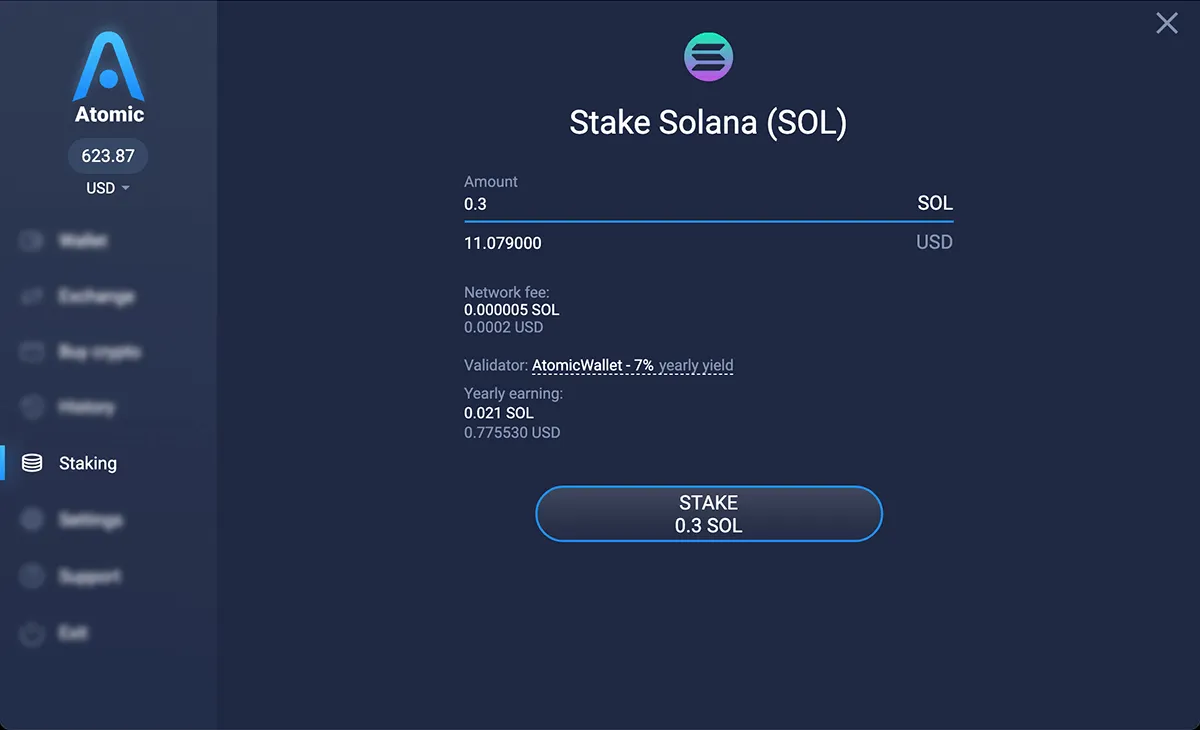
Estimating your 2026 rewards
Calculating potential Solana staking rewards isn't a simple calculation. Several factors influence your returns, and these are subject to change. The most significant is network inflation, which is the rate at which new SOL is minted. Solana’s community voted to enable staking rewards and inflation, and this rate is determined through on-chain governance. As of now, the exact inflation rate for 2026 is unknown, so any estimates are speculative.
Validator commissions are the main drain on your profits. Most validators take between 7% and 15% to cover their server costs. You also need to watch uptime. If a validator goes offline, they stop earning, and so do you. In extreme cases of misconduct, the network can slash their stake, though this is rare on Solana compared to other chains.
To estimate your potential rewards, you need to consider your stake amount, the current inflation rate (as best as can be predicted), and the validator’s commission. A Solana staking rewards calculator can be incredibly helpful here. These tools allow you to input these variables and get an approximate annual percentage yield (APY). However, remember that APY is not a guarantee. It’s a projection based on current conditions and historical data. Rewards fluctuate, and past performance is not indicative of future results.
It’s also important to remember that the total amount of SOL staked affects the overall reward distribution. As more SOL is staked, the rewards are distributed across a larger pool, potentially reducing the individual APY. Therefore, while a higher inflation rate might seem beneficial, it’s crucial to consider the total staked amount. The interplay of these factors makes precise reward prediction challenging.
Validators worth watching
Choosing the right validator is a critical decision for any Solana staker. Focusing solely on the highest APY can be misleading. A good validator balances a competitive commission rate with consistently high uptime, active voting participation in governance proposals, and a solid reputation within the community. Here are a few validators that consistently rank well based on these criteria, as of late 2025.
Marinade Finance is a popular choice, known for its liquid staking solution and robust infrastructure. They generally maintain high uptime and actively participate in governance. Their commission rate typically falls in the middle range, around 8-10%. They're a well-established player and a safe bet for many stakers. Their liquid staking option lets you use mSOL in DeFi protocols while still earning staking rewards.
Jito is another strong contender, also offering liquid staking. They’re known for their innovative features and focus on maximizing rewards through MEV (Miner Extractable Value) extraction. Jito's commission is competitive, generally between 7-9%. They’ve quickly gained traction in the Solana ecosystem and are considered a reliable validator.
Laine consistently demonstrates excellent uptime and a commitment to network security. They maintain a relatively low commission rate, often around 7-8%, making them attractive to stakers looking to minimize fees. They're a long-standing validator with a proven track record. Belleville is a validator focused on institutional clients, offering tailored staking solutions and robust security measures. Their commission is a bit higher, around 9-12%, but they provide a high level of service.
Blocksmith prioritizes community engagement and transparency. They actively share updates on their performance and participate in discussions within the Solana community. Their commission is in the mid-range, around 8-10%. They're a good option for stakers who value a validator's responsiveness and commitment to the ecosystem. Remember to always do your own research and consider your individual risk tolerance before delegating your SOL.
Featured Products
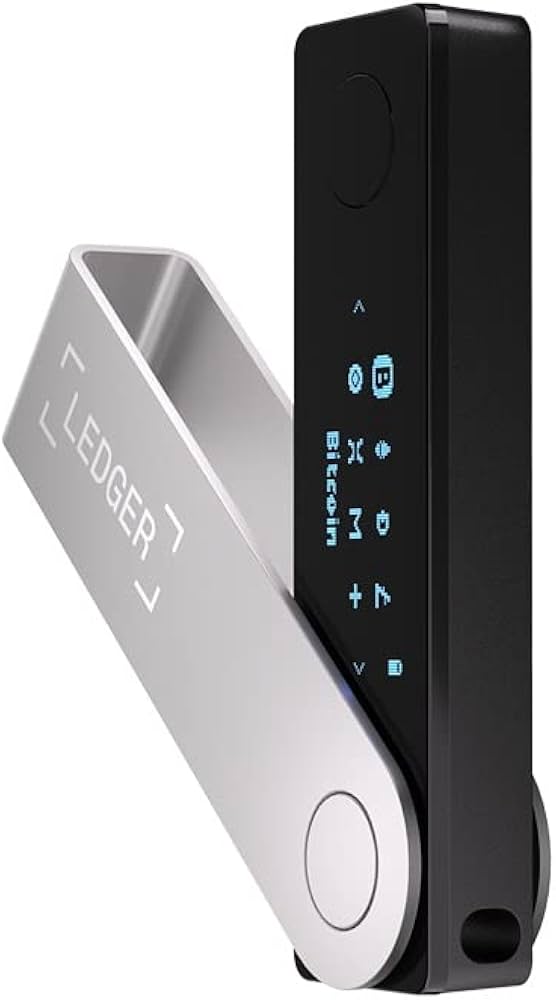
Bluetooth connectivity for mobile management · Secure Element chip for maximum protection · Supports over 5,500 cryptocurrencies including SOL
The Ledger Nano X is the premier choice for serious Solana stakers due to its advanced security features and convenient mobile connectivity.
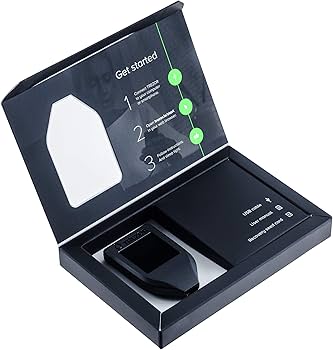
Color touchscreen for intuitive operation · Robust open-source firmware · Comprehensive support for a wide array of digital assets
For users prioritizing a user-friendly interface and open-source security, the Trezor Model T offers a secure and accessible platform for managing staked SOL.
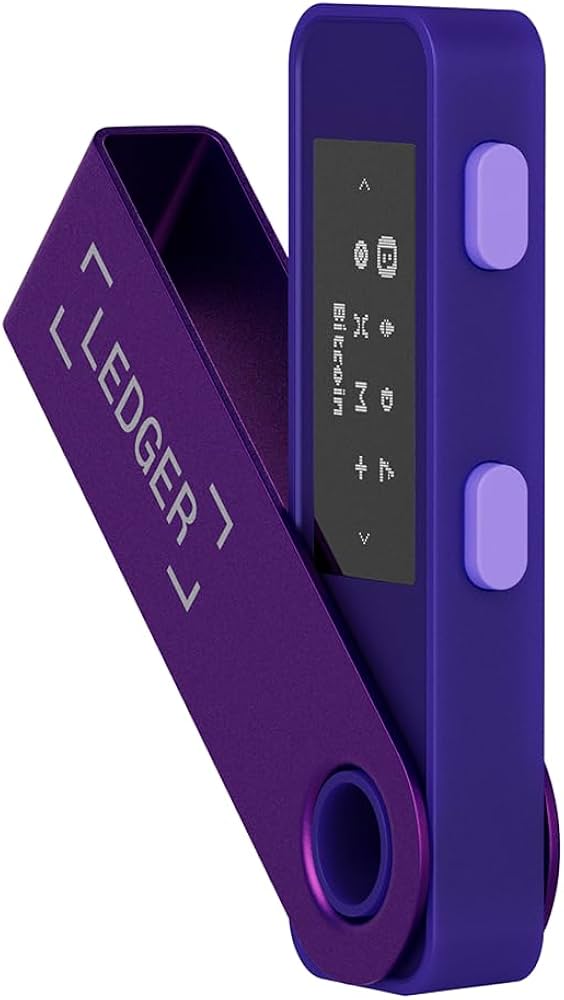
Enhanced security over the original Nano S · Larger memory capacity for more apps · Certified Secure Element chip
The Ledger Nano S Plus provides a secure and cost-effective entry point for staking Solana, offering essential hardware security without unnecessary features.
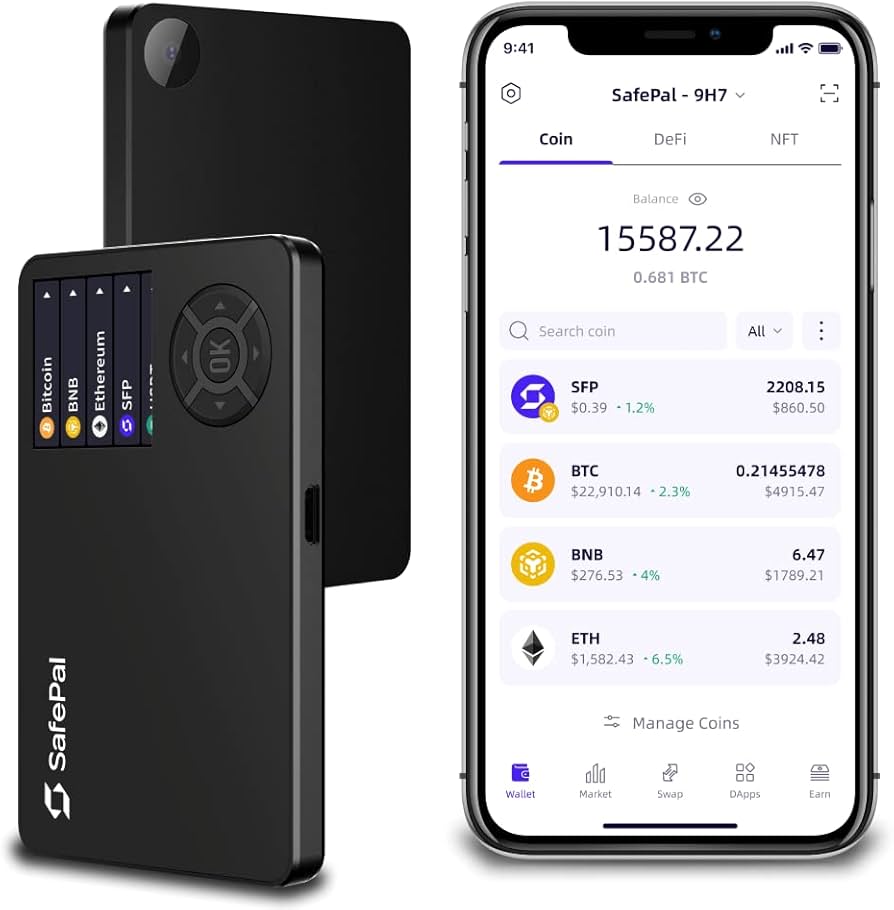
Air-gapped operation for enhanced security · Self-destruct mechanism for physical breaches · Integrated QR code scanner for transactions
The SafePal S1 is an excellent option for stakers seeking a fully air-gapped solution, ensuring maximum protection against online threats for your Solana holdings.
As an Amazon Associate I earn from qualifying purchases. Prices may vary.
Risks and Considerations When Staking SOL
While Solana staking offers attractive rewards, it’s essential to be aware of the inherent risks. Slashing penalties are a significant concern. If a validator engages in malicious behavior or experiences prolonged downtime, they can be penalized by the network, and their delegators share in those penalties. This results in a loss of staked SOL.
Validator downtime, even if unintentional, can also reduce your rewards. If a validator is offline, they can’t validate transactions, and you won’t earn rewards for the duration of the downtime. It’s crucial to choose validators with a proven track record of high uptime. The risk of impermanent loss also exists when using liquid staking protocols. While liquid staking provides liquidity, the value of the staked derivative token (like mSOL) can fluctuate.
Furthermore, the Solana network itself is subject to potential security vulnerabilities. Although Solana is a robust blockchain, exploits and hacks are always a possibility. It's wise to diversify your staking across multiple validators to mitigate risk. Never stake more SOL than you can afford to lose. Thoroughly research any validator before delegating your tokens.
Liquid Staking Options on Solana
Liquid staking protocols have gained popularity on Solana, offering a way to earn staking rewards while maintaining liquidity. Unlike traditional staking, where your SOL is locked up, liquid staking allows you to receive a derivative token representing your staked SOL. This derivative token can then be used in other DeFi protocols, such as lending platforms or decentralized exchanges.
Marinade Finance is a leading liquid staking provider on Solana. They offer mSOL, a tokenized representation of your staked SOL. You can use mSOL in various DeFi applications to earn additional yield. Solend, a lending protocol, allows you to deposit mSOL as collateral to borrow other assets. Jito also provides liquid staking, offering jSOL, which can be used within their ecosystem.
The benefits of liquid staking include increased capital efficiency and composability. You can earn staking rewards and participate in other DeFi activities simultaneously. However, liquid staking also introduces additional risks. The value of the derivative token (mSOL, jSOL) can deviate from the value of SOL, leading to potential impermanent loss. Smart contract risks associated with the liquid staking protocol itself also need to be considered.
The choice between traditional staking and liquid staking depends on your individual needs and risk tolerance. If you prioritize simplicity and security, traditional staking might be a better option. If you want to maximize your earning potential and maintain liquidity, liquid staking could be a suitable choice. Understand the trade-offs before committing your SOL.
The road to 2026
The Solana staking landscape is constantly evolving. Future network upgrades and developments could significantly impact staking rewards and mechanisms. Potential changes include adjustments to the inflation rate, improvements to validator selection processes, and the introduction of new staking features. The Colosseum Frontier Hackathon in April-May 2026 may yield innovative staking solutions.
We can expect to see continued growth in the liquid staking space, with new protocols and features emerging. The competition among validators will likely intensify, driving down commission rates and improving service quality. The increasing adoption of Solana will likely lead to a larger amount of SOL being staked, potentially impacting the overall APY.
Ultimately, the future of Solana staking hinges on the network’s continued success and the innovation within its ecosystem. While predicting the future is impossible, staying informed about network developments and carefully evaluating your options will be crucial for maximizing your SOL returns.
Solana Liquid Staking Protocol Comparison (as of November 2023)
| Protocol | Staked SOL TVL (approximate) | Supported Wallets | Liquidity Options | Key Risks | Unique Features |
|---|---|---|---|---|---|
| Marinade Finance | Approximately 55.8 million SOL (as of Nov 24, 2023) | Phantom, Solflare, Sollet | mSOL can be used in various DeFi protocols like Raydium, Orca, and Mango Markets | Smart contract risk, slashing risk (though Marinade mitigates this through validator selection) | First mover advantage, widely adopted, offers insurance coverage for staked SOL |
| Solend | Approximately 18.8 million SOL (as of Nov 24, 2023) | Phantom, Solflare, Sollet | SOL can be used as collateral for lending and borrowing on Solend | Smart contract risk, liquidation risk if used as collateral, potential for impermanent loss when providing liquidity | Integrates staking with lending/borrowing, allowing users to earn yield and utilize their staked SOL as collateral |
| Jito | Approximately 12.6 million SOL (as of Nov 24, 2023) | Phantom, Solflare | JitoSOL can be used in DeFi, and Jito provides MEV (Miner Extractable Value) extraction | Smart contract risk, slashing risk, MEV extraction complexities | Focuses on capturing MEV and distributing it to stakers, potentially increasing yield |
| Socean | Approximately 5.4 million SOL (as of Nov 24, 2023) | Phantom, Solflare | scSOL can be used in DeFi protocols, offering composability | Smart contract risk, slashing risk | Offers a range of staking strategies and allows users to customize their risk/reward profile |
| Lido on Solana | Approximately 3.4 million SOL (as of Nov 24, 2023) | Phantom, Solflare | stSOL can be used in various DeFi applications | Smart contract risk, slashing risk | Leverages the established Lido brand and infrastructure from other chains |
Illustrative comparison based on the article research brief. Verify current pricing, limits, and product details in the official docs before relying on it.
No comments yet. Be the first to share your thoughts!