
The state of Solana automation in 2026
Automated trading on Solana has become increasingly popular, driven by the blockchain’s speed and low transaction costs. These aren’t simply tools for passive income; they're sophisticated systems designed to capitalize on market inefficiencies. The core appeal is straightforward: bots can execute trades 24/7, react to market changes faster than any human, and remove emotional decision-making from the equation. This is particularly valuable in the volatile cryptocurrency market.
Don't treat these as money printers. If you don't understand risk management or how Solana actually handles transactions, you'll lose capital fast. The network changes too quickly for 'set and forget' strategies to last more than a few weeks.
The sophistication of these tools has grown dramatically. Early bots were often basic buy/sell scripts. Now, we’re seeing bots capable of complex arbitrage, market making, and even exploiting opportunities within new token launches. This increased complexity also means increased risk, and a higher barrier to entry for new users. The market is maturing, and simply throwing money at a bot is rarely a winning strategy.

Seven bots worth watching
The Solana bot landscape is diverse, with options catering to different trading styles and risk tolerances. Here's a look at seven of the most talked-about bots as of late 2026, keeping in mind that performance can vary significantly based on market conditions and individual configurations.
1. Katana: Katana, as highlighted by Bitget, is focused on copy trading. It allows users to automatically replicate the trades of experienced traders. This is ideal for beginners or those who lack the time to develop their own strategies. Be aware that past performance isn’t indicative of future results, and you’re relying on the skill of another trader.
2. RainBot: RainBot is geared toward arbitrage opportunities, specifically between centralized exchanges and decentralized exchanges on Solana. It monitors price discrepancies and executes trades to profit from the differences. This requires a fast connection and the ability to handle small margins.
3. BonkBot: Don't let the name fool you. BonkBot, while having a playful branding, is a serious sniper bot. It excels at identifying and executing trades on newly listed tokens, often within the first few blocks. Quicknode’s research points to the importance of speed in this area, and BonkBot delivers.
4. Orca Trader: Orca’s native trading bot is tightly integrated with the Orca DEX. This allows for efficient and low-slippage trades, particularly for tokens with high liquidity on Orca. It’s a good option for users who primarily trade within the Orca ecosystem.
5. Raydium Automated Market Maker (AMM) Bot: Raydium offers tools for automated market making, allowing users to earn fees by providing liquidity to trading pairs. This is a more passive strategy, but it requires careful consideration of impermanent loss.
6. Drift Protocol Bot: Drift Protocol specializes in perpetual futures trading on Solana. Their bot allows for automated strategies based on technical indicators and price movements. This is a higher-risk, higher-reward option, suitable for experienced traders.
7. Mango Markets Bot: Mango Markets offers margin trading and lending, and their bot allows for automated strategies that leverage these features. This can amplify profits, but also significantly increases risk. It’s crucial to understand margin trading before using this bot.
Optimizing Your Solana Trading Station: Essential Hardware & Software
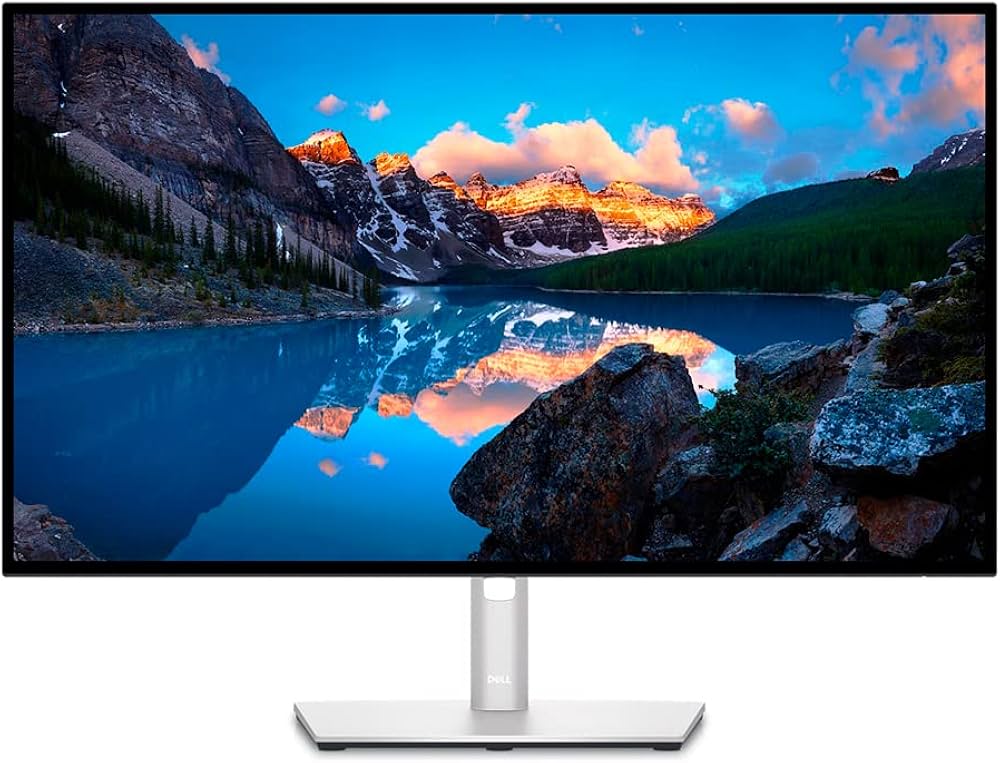
3840 x 2160 4K UHD resolution · USB-C connectivity with 90W Power Delivery · Wide color gamut coverage (100% sRGB, 100% Rec.709, 85% DCI-P3)
Provides a high-resolution, color-accurate display with extensive connectivity options for efficient monitoring of trading bot performance.
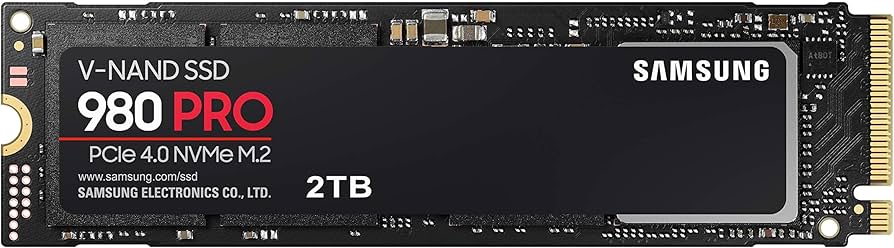
PCIe 4.0 NVMe interface for high read/write speeds · Up to 7,000 MB/s sequential read speed · Durable and reliable performance for intensive applications
Offers superior data transfer speeds, crucial for rapid execution and data logging required by Solana trading bots.
Advanced encryption protocols · Large server network with dedicated IP options · Strict no-logs policy
Ensures secure and private access to exchanges and bot infrastructure, mitigating risks associated with network vulnerabilities.

Adjustable lumbar support · Breathable Pellicle suspension · Ergonomic design for long-term comfort
Supports optimal posture and comfort during extended trading sessions, reducing fatigue and enhancing focus.

Industry-leading noise cancellation · Comfortable over-ear design · Long battery life
Creates an immersive, distraction-free environment essential for concentration on complex trading strategies and bot monitoring.
As an Amazon Associate I earn from qualifying purchases. Prices may vary.
Sniper bots and the mempool race
Sniper bots are designed to capitalize on the frenzy surrounding new token launches on Solana. They work by constantly monitoring the mempool – the pool of pending transactions – for new token listings. When a new token is detected, the bot attempts to execute a trade before anyone else, securing a favorable price.
This requires extremely fast execution and a deep understanding of gas fees. Solana’s low transaction costs are a major advantage for sniper bots, but even fractions of a SOL can make the difference between profit and loss. Front-running – where a bot intentionally jumps ahead of a large transaction to profit from the price movement – is a major concern with sniper bots.
Quicknode data from 2025 shows that speed is only half the battle. You have to optimize how transactions are built to avoid the dreaded 'dropped' status. Most successful snipers are custom-coded by developers who know how to navigate Solana's specific congestion issues.
Arbitrage and Market Making
Arbitrage bots exploit price differences for the same asset across different exchanges. On Solana, this typically involves comparing prices between centralized exchanges (like Binance or Coinbase) and decentralized exchanges (like Orca or Raydium). The bot buys the asset on the cheaper exchange and sells it on the more expensive one, pocketing the difference.
Market making bots, on the other hand, provide liquidity to trading pairs. They place buy and sell orders on both sides of the order book, earning fees from traders who execute their orders. This strategy requires careful management of inventory and risk, as market makers are exposed to impermanent loss – the risk of losing money due to price fluctuations.
Slippage – the difference between the expected price of a trade and the actual price – is a significant risk for both arbitrage and market making bots. Fast execution and efficient transaction routing are crucial for minimizing slippage and maximizing profits. These strategies demand a deeper understanding of decentralized finance (DeFi) principles.
Backtesting and managing risk
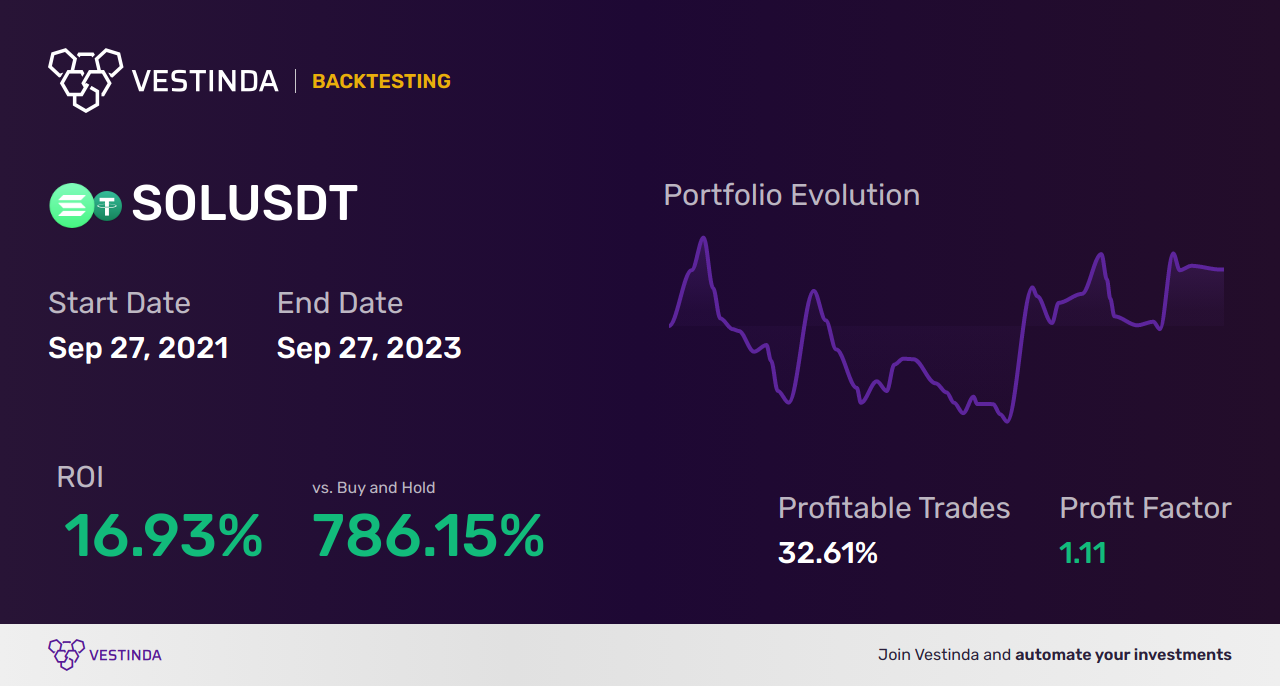
Before deploying any Solana trading bot with real money, thorough backtesting is essential. This involves running the bot’s strategy on historical data to see how it would have performed in different market conditions. However, backtesting on Solana presents unique challenges due to the network's dynamic nature and relatively short history.
Risk management is equally important. Setting stop-loss orders – automated instructions to sell an asset if it falls below a certain price – can limit potential losses. Limiting position sizes – the amount of capital allocated to each trade – can reduce the impact of any single losing trade. Diversifying strategies – using multiple bots with different approaches – can spread risk.
Even the best bots can lose money. Market conditions can change unexpectedly, bugs can occur in the bot's code, and unforeseen events can disrupt the market. Responsible bot trading requires a disciplined approach, a willingness to learn from mistakes, and a clear understanding of the risks involved.
Building your own vs. buying
Choosing between building your own Solana trading bot and using a pre-built solution depends on your technical skills, time commitment, and budget. Building your own bot offers maximum flexibility and control. You can customize the strategy to your exact specifications and optimize it for your specific trading style.
However, it requires significant programming knowledge, particularly in Rust or another language compatible with the Solana SDK. It also requires ongoing maintenance and debugging. Pre-built bots, on the other hand, are easier to set up and use. They often come with a user-friendly interface and pre-defined strategies. But they offer less flexibility and may not be suitable for advanced traders.
The availability of Solana SDKs and libraries has made it easier to build custom bots, but it still requires a substantial investment of time and effort. Consider your own capabilities and priorities when making this decision. The cost of pre-built bots varies, with some offering free trials or basic plans, while others require a subscription fee.
DIY vs. Pre-built Solana Trading Bots: A Comparative Analysis (2026)
| Development Effort | Cost | Customization | Maintenance | Time to Deployment |
|---|---|---|---|---|
| DIY | High | Low to Medium (depending on infrastructure costs) | High | Long |
| Pre-built | Low | Medium to High (subscription or licensing fees) | Medium | Short |
| DIY - Basic Strategy | Medium | Low to Medium | Medium | Medium |
| Pre-built - Simple Bots | Low | Low to Medium | Low | Very Short |
| DIY - Advanced Strategy | High | Medium to High (infrastructure, data feeds) | High | Very Long |
| Pre-built - Advanced Bots | Low | High | Medium | Medium |
Illustrative comparison based on the article research brief. Verify current pricing, limits, and product details in the official docs before relying on it.
No comments yet. Be the first to share your thoughts!