
Choosing a Solana Wallet on a Budget
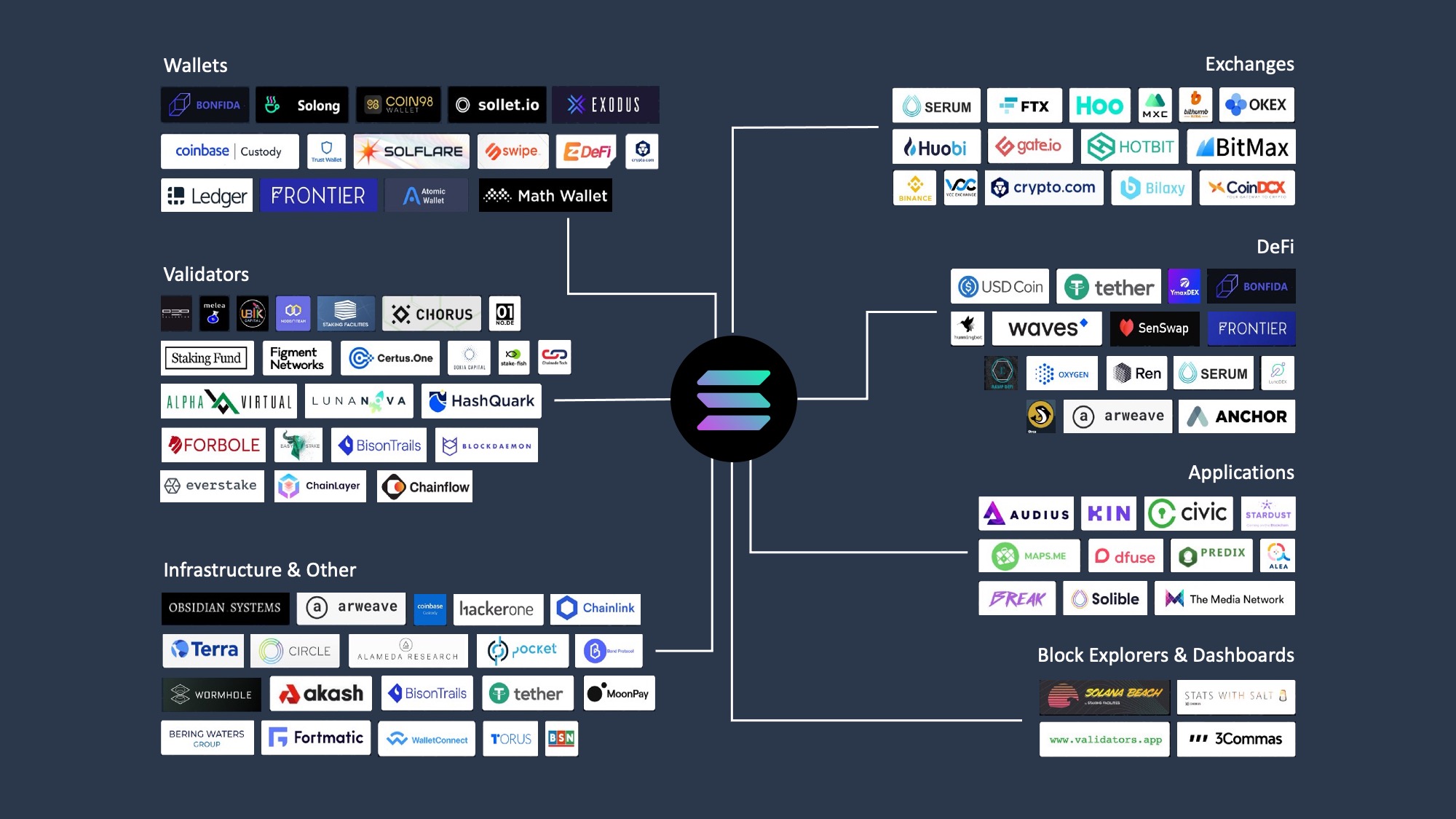
Finding a secure Solana wallet doesn't require spending money. The two most reliable options for everyday use are Phantom and Solflare, both of which are free to download and maintain. Phantom is widely considered the standard for daily interactions due to its seamless integration with Solana dApps, while Solflare offers a robust alternative with strong security features. For those already using Coinbase, their self-custody wallet provides a familiar interface for managing Solana alongside other major assets like Bitcoin and Ethereum.
When evaluating wallets, prioritize security and ease of use over flashy features. Both Phantom and Solflare support hardware wallet integration, allowing you to store your private keys offline for maximum protection. This is a critical step for anyone holding significant value. Avoid obscure or newly launched wallets that lack a proven track record or community support.
The choice often comes down to user experience. Phantom’s interface is polished and intuitive, making it ideal for beginners and frequent traders. Solflare, while slightly more complex, offers advanced features for power users who want granular control over their transactions. Neither requires a subscription or premium tier for core functionality, ensuring that budget constraints never compromise your security.
Shortlist real options
Choosing the right Solana wallet depends on whether you prioritize ease of use, security, or specific blockchain features. The market has consolidated around a few reliable options that balance accessibility with robust security standards. Below is a comparison of the most prominent wallets, followed by specific product recommendations for different user needs.
| Wallet | Type | Platform | Best For |
|---|---|---|---|
| Phantom | Hot Wallet | Mobile, Desktop, Browser | Daily trading and dApp interaction |
| Solflare | Hot Wallet | Mobile, Desktop, Browser | Staking and portfolio tracking |
| Ledger | Hardware | External Device | Long-term storage and security |
| Torus | Social Login | Web, Mobile | New users avoiding seed phrases |
For users who primarily trade or interact with Solana-based applications, a hot wallet like Phantom is the standard choice. It offers a seamless interface for swapping tokens and viewing NFTs. If you are looking to stake your SOL or manage multiple tokens across different chains, Solflare provides a clean alternative with strong staking tools.


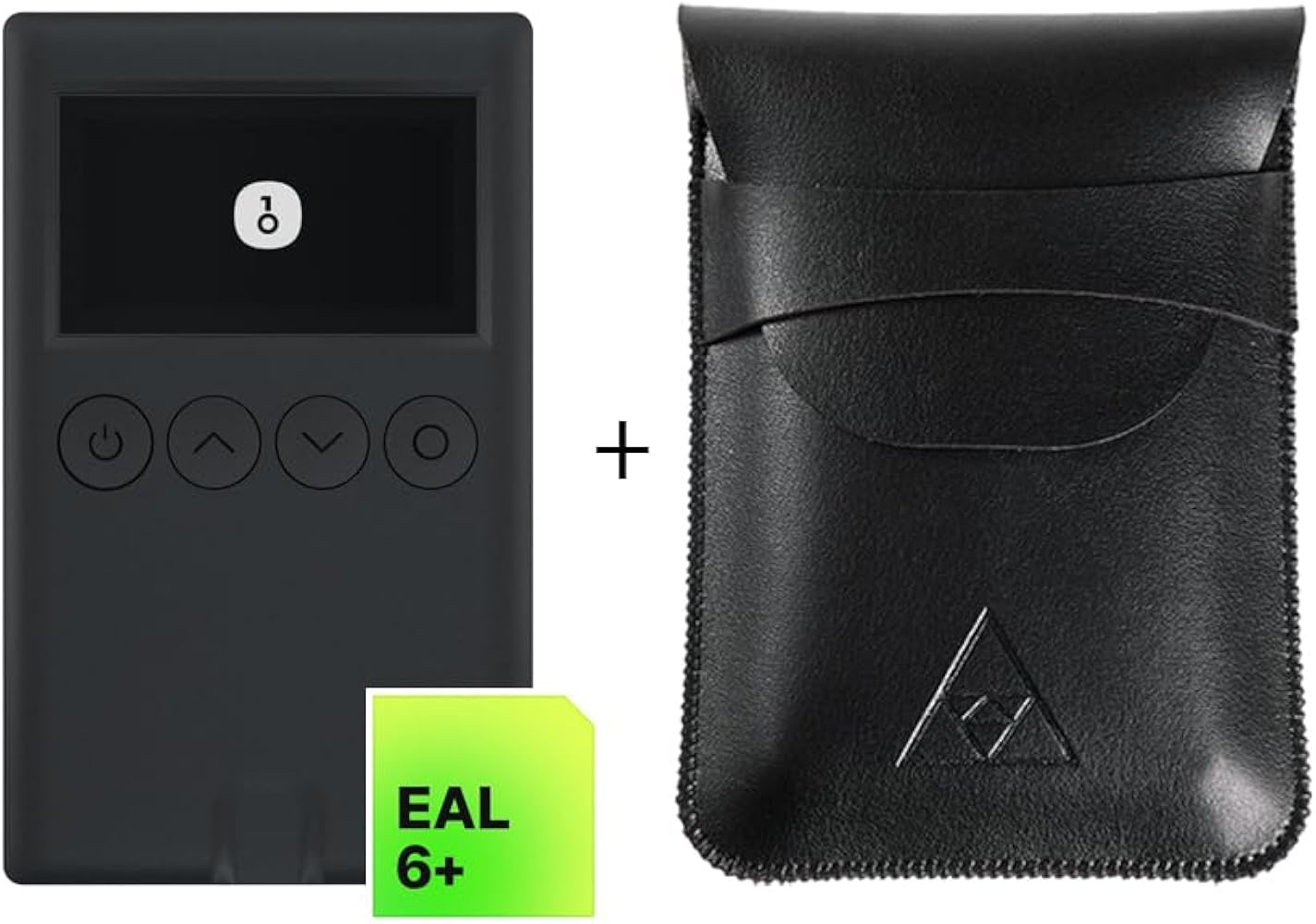
As an Amazon Associate, we may earn from qualifying purchases.
For long-term storage, hardware wallets offer the highest security. Ledger devices are officially supported by Solana and integrate with Phantom and Solflare. This setup keeps your private keys offline while allowing you to sign transactions securely. It is the recommended approach for significant holdings.
Inspect the expensive parts
Solana Ecosystem works best as a clear sequence: define the constraint, compare the realistic options, test the tradeoff, and choose the path with the fewest hidden costs. That order keeps the advice usable instead of decorative. After each step, pause long enough to check whether the recommendation still fits the reader's actual situation. If it depends on perfect timing, unusual access, or a best-case budget, include a simpler fallback.
Plan for ownership costs
A wallet’s sticker price is only the start of the math. The real cost of ownership on Solana comes from maintenance, transaction fees, and the hidden taxes of inactivity. When you buy a hardware wallet or subscribe to a premium service, you are buying a tool that requires upkeep to remain functional and secure.
Transaction fees and network load
Solana is known for low gas fees, but this is not a free pass. During periods of high network congestion, fees can spike, and failed transactions still cost resources. Frequent traders or NFT flippers will see these micro-costs accumulate. If you are holding long-term, these fees are negligible. If you are active, they are part of your operational overhead.
Security and maintenance overhead
Hardware wallets like Ledger or Trezor require firmware updates and seed phrase backups. If you lose your seed phrase, the money is gone—there is no customer support to reset a password. This "ownership cost" is your time and vigilance. Neglecting updates can leave you vulnerable to exploits, effectively making the wallet worthless. The cheapest device becomes expensive if it leads to a loss of assets.
Software subscriptions and premium features
Some wallets offer premium analytics or staking dashboards for a monthly fee. For most users, the free versions of Phantom or Solflare provide sufficient functionality. Paying for features you do not use is a sunk cost. Evaluate whether the convenience of a paid tool justifies the monthly expense, or if free alternatives meet your needs.


As an Amazon Associate, we may earn from qualifying purchases.
When cheap stops being cheap
The cheapest wallet is often the most expensive in the long run. Low-cost software wallets may lack robust security features or customer support. Hardware wallets have an upfront cost but protect your assets from online threats. Calculate the total cost of ownership: purchase price + transaction fees + time spent on security. Prioritize tools that reduce risk and effort, not just those with the lowest initial price tag.
Solana wallets: common: what to check next
Choosing the right wallet depends on whether you prioritize ease of use or security. Below are answers to the most common questions from new users.
Which wallet is used for Solana?
Phantom and Solflare are the most popular software wallets for Solana. Phantom is widely considered the standard for daily trading and interacting with dApps due to its intuitive interface. For hardware security, Ledger devices support Solana natively, allowing you to sign transactions offline while still using software interfaces like Phantom or Solflare to manage your assets.
Is Coinbase Wallet good for Solana?
Yes. Coinbase Wallet is a self-custody option that supports Solana alongside Ethereum, Bitcoin, and other chains. It offers a clean interface similar to the Coinbase exchange, making it a practical choice for users who want a single wallet for multiple blockchains without sacrificing control of their private keys.
Can I use a hardware wallet with Solana?
Hardware wallets like Ledger and Trezor support Solana. You connect the physical device to a browser extension or mobile app to sign transactions securely. This method keeps your private keys offline, protecting them from online hacks while maintaining access to Solana DeFi and NFT marketplaces.
What is the safest Solana wallet?
The safest option is a hardware wallet combined with a reputable interface like Phantom or Solflare. While software-only wallets are convenient, they are more vulnerable to phishing and malware. If you hold significant value, a hardware device provides the highest level of protection by requiring physical confirmation for every transaction.
No comments yet. Be the first to share your thoughts!